Abdul El-Sayed is trailing badly in Michigan and is suddenly making a show of affection for Jewish voters; this piece lays out the polls, the odd alliances that undermine his new outreach, and reactions from audiences and opponents that suggest voters aren’t buying it.
Recent polling shows Haley Stevens leading Abdul El-Sayed by wide margins in several key groups ahead of the Democratic primary in Michigan, and El-Sayed’s campaign looks like it’s scrambling. Endorsements from big-name progressives haven’t translated into traction, and his team has shifted tone to appeal to Michigan’s Jewish community. That pivot reads as damage control from a campaign that knows its numbers are weak.
On the trail, El-Sayed has tried to present himself as someone who respects Jewish faith and history, but his past associations complicate that message. He’s been linked to figures and positions that many Jewish voters find troubling, especially given the charged atmosphere after October 7. When a candidate switches tone this quickly, voters see calculation before conviction.
https://x.com/DSA_Watch/status/2079023870820876716
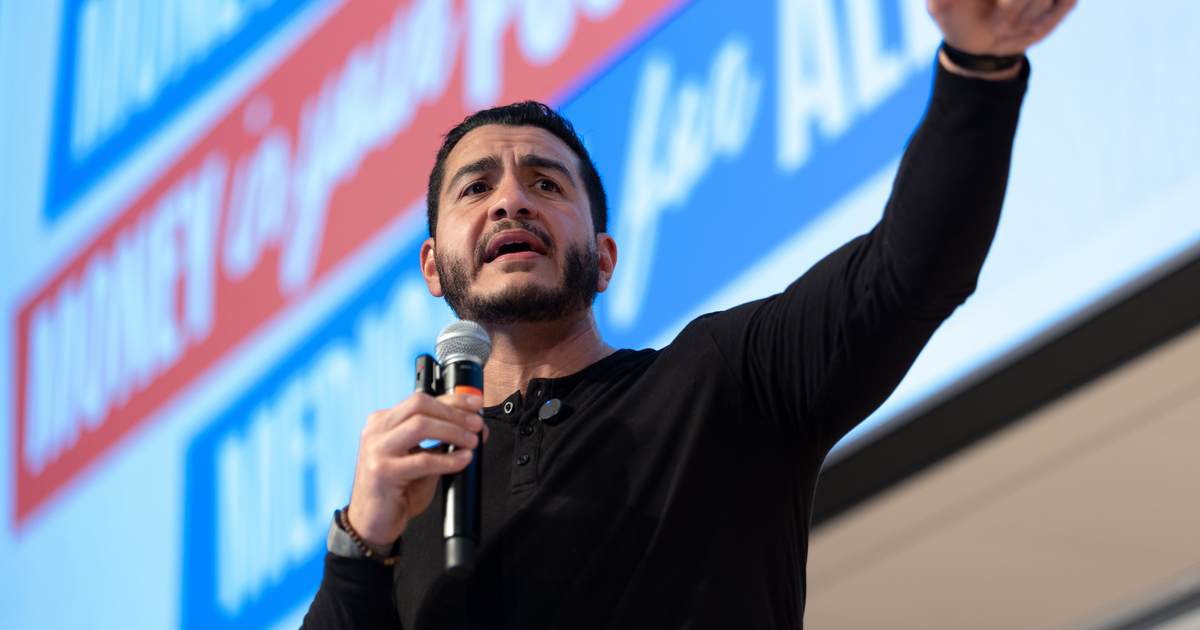
He offered a public pledge to the community and then said, “I was so privileged to grow up in a community with a very large Jewish population,” El-Sayed said. “I learned about the incredible faith of Judaism; I learned about the incredible history and traditions of the Jewish people, and the incredible contributions that the Jewish people have made to our society here. I love and revere Judaism and the Jewish people, full stop.”
Observers point to El-Sayed’s prior campaign choices, including appearances with controversial commentators who downplayed or dismissed the sexual atrocities committed by Hamas on October 7 and who regularly attack Israel and Jews. That history undermines any sudden declarations of solidarity, because actions and company matter more than canned speeches. Voters watch the whole record, not just the talking points.
No one believes El-Sayed means any of this. His critics argue that flat words can’t erase prior behavior or the people he’s chosen to associate with, and those voters are vocal about it.
Many people feel this way. The skepticism isn’t confined to one corner of the electorate; it’s showing up in polls and in live events where his lines get tested in public.
Listen to the crowd when he says these things. You could hear a pin drop. That silence says more than applause ever could about how genuine—or not—this outreach reads to a room full of real voters.
Absolute silence, but we have to wonder if they did that because they know he’s lying. Audiences can tell when a message is contrived, and they respond accordingly, which is exactly what happened at this event.
They did not, but not for lack of trying. Supporters may cheer in controlled settings, but in mixed crowds his words land flat and raise questions about judgment and consistency.
El-Sayed also had a tense exchange with CNN’s Jake Tapper about Israel and Iran, a back-and-forth that did him no favors. A former staffer was arrested in June for threatening the University of Michigan and a Jewish group over divestment, which has only amplified concerns about his campaign’s internal culture. Meanwhile, his campaign emails have frequently criticized AIPAC, and his refusal to back Chuck Schumer for majority leader—tied to a policy litmus test like passing “Medicare for All”—has raised eyebrows, especially since Schumer is Jewish.
All of this adds up to a narrative problem: El-Sayed’s words and his record pull in different directions, and voters are choosing the record. Right now his campaign looks like it’s trying to paper over contradictions instead of explaining them honestly, and that’s not a winning strategy in a tight primary. When credibility is the currency, inconsistency is an expensive liability.
The Michigan Senate race is moving into a phase where perception matters as much as policy, and El-Sayed’s sudden friendliness toward Jewish voters comes across as a last-minute fix. That makes for a familiar political scene: a campaign in trouble trying to salvage support by changing tone rather than addressing the deeper concerns voters have about judgment, alliances, and priorities.