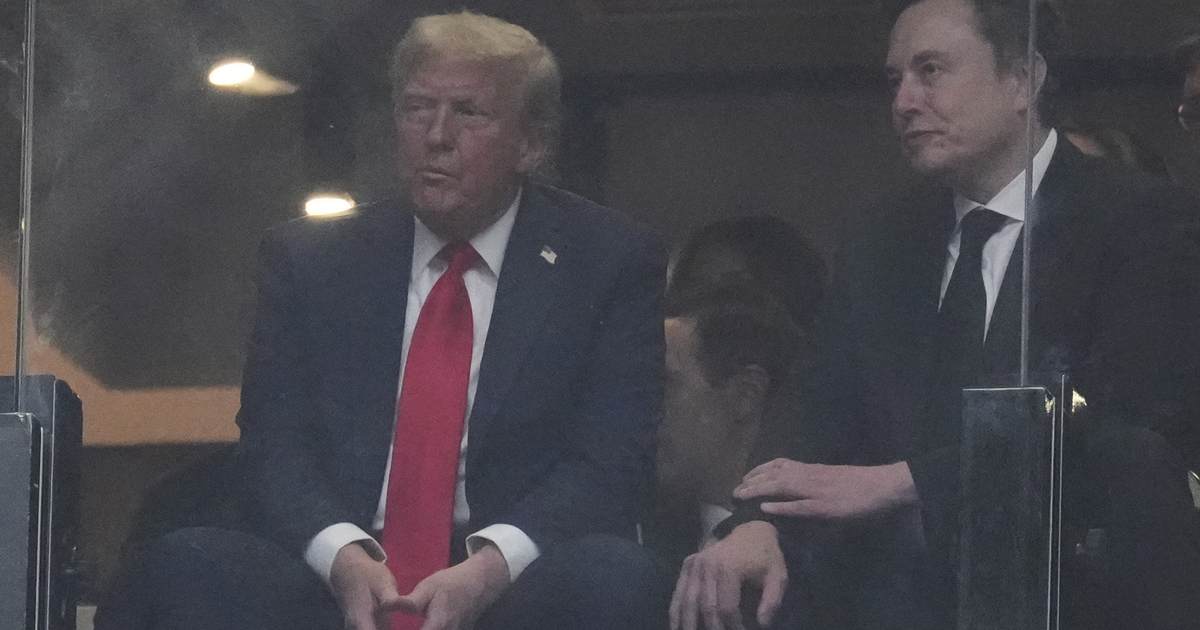
Elon Musk and his America PAC are gearing up for a major effort to boost Republican turnout in the midterms, using sizable financial support and organized voter outreach to protect GOP advantages and contest control of Congress.
Elon Musk has stepped into the political ring with a clear playbook: direct big resources at turnout and infrastructure to shore up Republican chances this November. His America PAC will funnel donations and backing toward candidates and campaigns that align with conservative priorities. The plan is about more than checks—it’s about mobilizing voters where it matters most.
— Shadow Truthland (@Shadowtruthland)
“THANK YOU, ELON. Always putting America first,” the poster wrote.
Republicans see this as a practical boost to an already favorable financial picture; GOP committees have been building a cash advantage that savvy donors can amplify. Musk’s involvement is significant because it turns private wealth into organized campaign muscle, not just one-off donations. That kind of concentration of resources can change how campaigns allocate staff, advertising, and get-out-the-vote pushes.
https://x.com/axiosalex/status/2082603497619394676
Reports note that Musk’s contributions through America PAC catapulted him to the top of single-cycle individual donors, and that spending played a role in the 2024 outcome. For Republican strategists, the goal now is simple: translate money into turnout and translate turnout into retained majorities in both the House and Senate. The midterms are where control of committees, judgeships, and legislative priorities is decided, and big bets are being placed accordingly.
The approach combines targeted digital outreach, local organizing boosts, and support for competitive races across swing districts and states. Republican organizers will use those funds to shore up infrastructure—field teams, paid advertising, and data operations—to ensure friendly voters actually show up. Bringing new donors into coordinated campaigns helps level the playing field against better-funded Democratic operations in certain media markets.
From a Republican perspective, outside support from high-profile backers can be the difference between a narrow loss and a hard-fought win. Musk’s profile delivers attention as well as cash, and attention can drive enthusiasm among conservative voters worried about the country’s direction. That enthusiasm turns into calls, door knocks, and Election Day turnout—all the things that decide close races.
Critics will complain about billionaire influence in politics, but the response from GOP voters is straightforward: when allies invest in the cause, you take the help and push forward. For many on the right, the priority is policy outcomes—securing judges, rolling back regulatory overreach, and preserving a pro-growth agenda—that require control of Congress. Large-scale private funding that supports those ends fits squarely within a strategy to win and govern.
Operationally, the money can also give Republicans flexibility to defend incumbents while seizing opportunities where Democrats look vulnerable. That mix of defense and offense is critical in a midterm environment that can shift quickly with national events. If America PAC’s resources reach the right districts, the GOP’s chances of keeping committee majorities and blocking bad legislation rise.
Voter outreach and turnout are the immediate focus, but the longer game is institutional: strengthen the party’s field apparatus, sharpen messaging, and maintain a stable pipeline of resources for future cycles. Musk’s involvement signals a willingness among influential conservatives to invest in those long-term capabilities. For Republicans, that investment is a practical step toward preserving a legislative map that supports American-first policies.