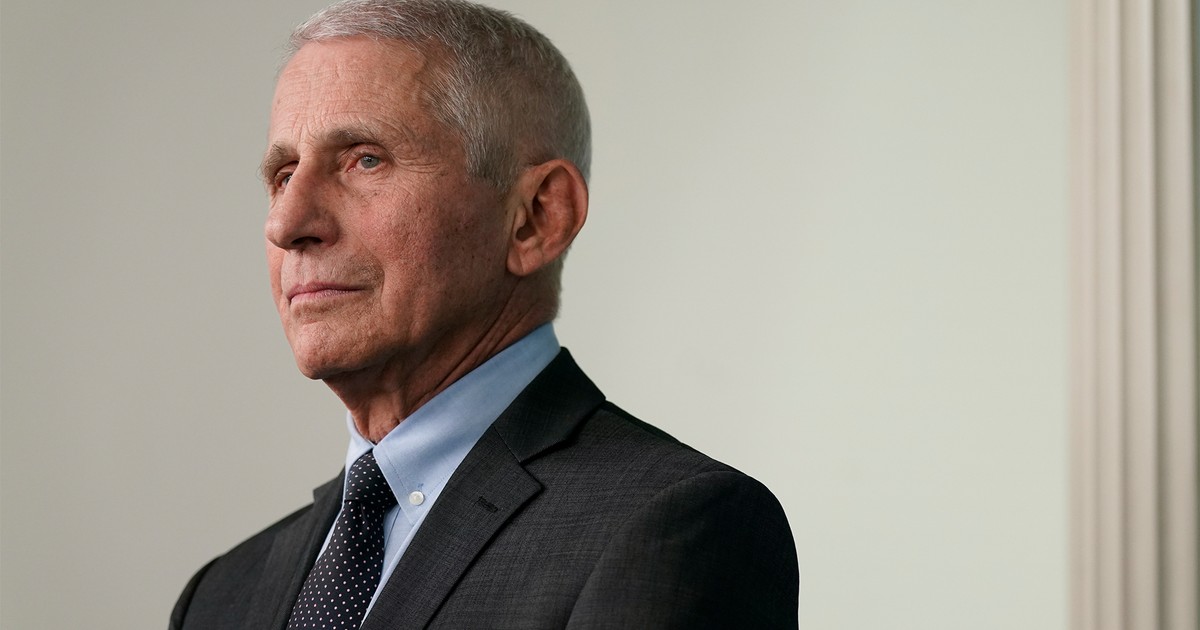
Dr. Anthony Fauci’s private diary entries and newly surfaced notes are stirring furious debate, describing classified briefings, harsh words about intelligence briefers, and new details that feed the lab-leak discussion while deepening concerns about who shaped pandemic messaging.
Once billed as “America’s Doctor,” Dr. Anthony Fauci now faces a harsh reassessment as diary passages surface that clash with his public image. The entries depict him reacting to sensitive intelligence and criticizing officials who he says failed to grasp the science the way he did. That contrast between public stature and private contempt is what has many people fed up and demanding answers.
The diaries suggest Fauci was not just a medical adviser but someone deeply entangled with intelligence findings and perilously confident about his own judgment. He reportedly received classified briefings in secure facilities and wrote about intercepted communications that might support the lab leak theory. Reading his notes, critics say it looks less like science alone and more like a power play by an influential figure who talked down to others.
There’s also the political angle. The medical community and media lionized Fauci through the pandemic, and now those same institutions are rubbing up against evidence that their chosen authority may have been partisan or dismissive of alternative views. Some allege the expert community overreached, trying to shape public opinion and even election narratives during a tense period. Those charges feed broader distrust of public-health elites.
The diary passages are blunt about a CIA briefing that alarmed Fauci and prompted him to disparage the analyst who delivered it. He reportedly found the briefing naive and scientifically uninformed, and he recorded that reaction in language that reads as both contemptuous and guarded. For many readers, that tone turns a public servant into an insulated insider who thought he knew better than everyone else.
https://x.com/BillMelugin_/status/2082209240110989384
Beyond tone, the substance matters: intercepted communications, alleged transfers of viruses, and references to military experiments are explosive claims when paired with a national debate about the origins of COVID-19. The entries reference a possible “super spreader” event tied to laboratory passage of a virus, which immediately raises questions about transparency and what agencies knew when. If the diary is accurate, it adds weight to calls for a full accounting of the investigative trail.
The personal side of the entries sharpens the politics. The diaries portray Fauci as scornful toward colleagues he saw as scientifically illiterate, and those passages harden critics’ view that elite judgment substituted for open debate. That attitude, now exposed in private notes, fuels the sense among many that certain voices dominated the pandemic conversation while dissenting views were sidelined or dismissed. It’s a narrative that political critics will use to press for accountability.
Bill Melugin’s reporting surfaced a detailed passage that many observers point to as a key moment in the diaries. The passage names dates, a secure briefing location, and the content of what was described to Fauci about intercepted Chinese communications. The level of detail has pushed questions about what the CIA knew and why those findings were not part of the public record earlier. People who want answers say this raises serious oversight and transparency issues.
Dr. Fauci writes in his diary that in June 2021, he received a (classified?) briefing from the CIA on the origins of COVID-19 while in a SCIF (Sensitive Compartmented Information Facility) at NIH, and reveals that the CIA told him they had intercepted Chinese communications in Wuhan, including indications that the Chinese had transferred pangolin viruses from Beijing to Wuhan. Additionally, Fauci writes that the CIA had information from sources that the Chinese military had conducted unknown experiments in Wuhan, and that the CIA had information about a “super spreader” event in China in July 2020 in relation to “passage of a virus in a laboratory.”
Fauci writes that the CIA briefer, who he names, was “almost pathetic in her naivety and obvious lack of appreciation of any of the science of what she was talking about.”
This paper trail complicates Fauci’s legacy and raises fresh questions for lawmakers and investigators who want to know how scientific judgment and classified intelligence were mixed. The diary excerpts make it hard to separate personal disdain from professional duty, and that muddle troubles people across the political spectrum. Accountability experts say these passages need to be followed by hearings and document reviews.
Public attention is already set for a scheduled testimony that many expect will be must-see TV, with new diary passages providing a sharper frame for whatever he says. The timing of disclosures and testimony will shape how the public and Congress interpret the entries and the broader pandemic response. Expect sharp exchanges and pointed questioning about who knew what and when.
Remember, this isn’t just about policy language; it’s also about moments that played badly in public memory, like exchanges where Fauci clashed with political critics and was confronted directly by citizens who felt overlooked. Those interactions remain vivid because they show how deeply polarized pandemic debates became, and how personal frustration translated into political fury. The diary entries now give critics more material to press their case.