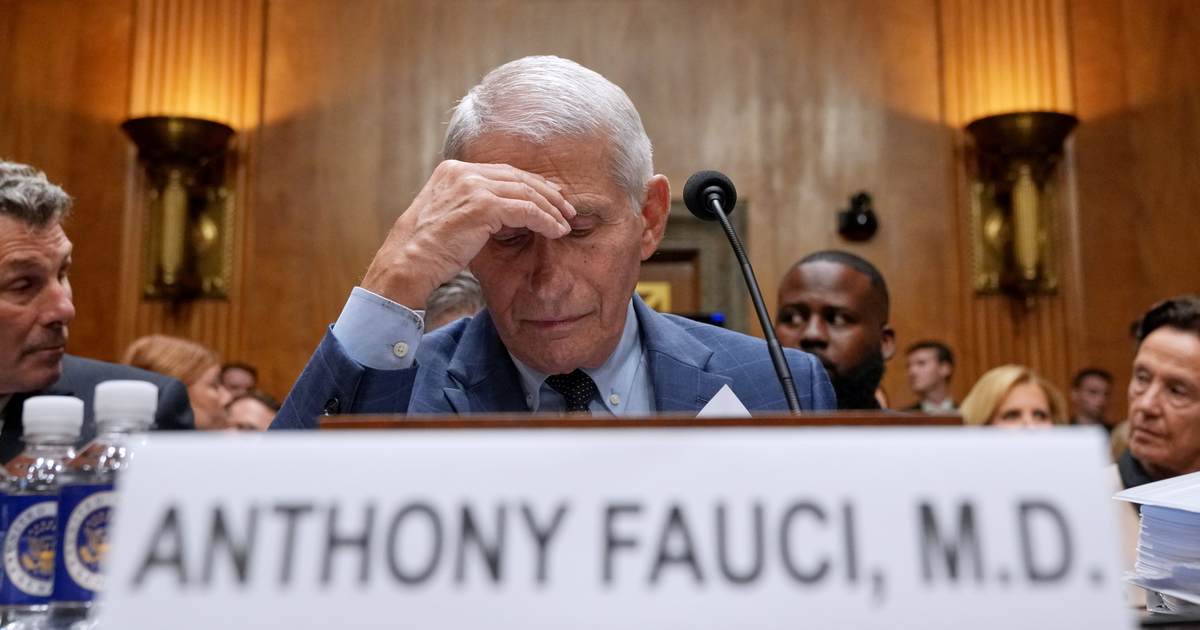
This piece looks at the media uproar over the Senate hearing with Dr. Anthony Fauci, the public reaction, and the broader debate about science, accountability, and the role of punditry in defending a controversial public health figure.
Expectations for a dramatic media defense of Fauci were spot on, but public reaction tells a different story. Many Americans still feel the sting of long lockdowns, shifting mandates, and policies that upended daily life while delivering mixed results. Those memories shape how any defense of the pandemic response reads to average voters who saw schools, businesses, and routines crushed.
The pandemic era left real scars: literacy and numeracy losses among kids, small businesses that never reopened, and households pushed to the brink. People watched health guidance flip-flop and saw politicians reward compliance in ways that felt political, not purely scientific. That context explains why calls for accountability after the hearing resonate with so many.
For a segment of the media and celebrity outlets, the hearing looked like an attack on a heroic figure, labeled by some as ‘America’s doctor,’ and described as unfair or McCarthyite. TMZ had a total meltdown over the hearing and framed the moment as an outrage against a man they say saved lives. That reaction plays to a sympathetic crowd, but it doesn’t erase the basic questions about decisions that caused widespread harm.
At the hearing, Fauci frequently leaned on familiar defenses, including the line “If you attack me, you’re attacking science.” That claim is blunt and convenient, but science does not gain immunity from examination simply because a single figure invokes it. Holding officials to account for policy choices and public statements is not anti-science; it is part of oversight and healthy debate.
https://x.com/DailyCaller/status/2082510491113419214
Observers noted Fauci invoking the Fifth over 100 times, a detail that undercuts any unqualified claim of transparency. When a public health chief repeatedly declines to answer questions under oath, it fuels suspicion rather than calming it. The contrast between high-profile defenses and the factual record of the hearing is stark and politically consequential.
There will always be voices insisting we should “move on” and treat the matter as settled history, including some who benefited from aggressive messaging and incentives during the pandemic. That appeal to closure is political, not epistemic. Democrats who pushed certainty in the moment now use that same certainty to shut down scrutiny, which looks like protecting an institution rather than seeking truth.
Americans are wary of a double standard where elites get deference and the rest of the country receives shifting rules. When people saw federal programs handing out incentives or bureaucrats promoting inconsistent mandates, resentment grew. That resentment feeds the appetite for hearings and investigations that ask uncomfortable questions about motives and outcomes.
The evidence of long-term harm is not merely partisan talking points: educational setbacks and shuttered businesses have measurable impacts on communities. Those consequences animate voters who feel policy makers never fully accounted for costs. Accountability conversations are not vengeance; they are about learning and ensuring those costs aren’t repeated.
Media outlets that rush to personal defense of officials risk appearing partisan and protective rather than inquisitive, which erodes credibility. Cable networks and celebrity platforms that treat criticism as character assassination encourage polarization instead of clarity. A healthy press would probe problems and admit where institutional failures occurred, even when defending public servants’ broader intent.
Liberal messaging during the pandemic often claimed finality—this is the science, end of story—which shut down debate at critical times. That posture has real political consequences now that people see outcomes and discrepancies. Ironically, the insistence on unquestionable authorities has made some progressives the very defenders of dogma they once railed against.
The partisan split in how the pandemic and its aftermath are remembered shows up in media coverage and congressional posture. Republicans pressing for transparency and answers see hearings as necessary oversight; Democrats pushing to move forward prefer institutional closure. Neither side is free from bias, but voters will judge which approach respects both accountability and public welfare.
At the end of the day, this debate is about more than one person’s legacy. It’s about whether institutions answer hard questions when policies cause damage, and whether the media serves as guardian or apologist. Americans want truth and repair, not theatrical defenses that avoid the substantive issues at stake.
Expect more heated coverage, more claims of unfairness, and more insistence from both sides that they speak for science and the public interest. The real test will be whether policymakers and the press use this moment to strengthen transparency and policy rigor, rather than simply staging partisan showdowns.