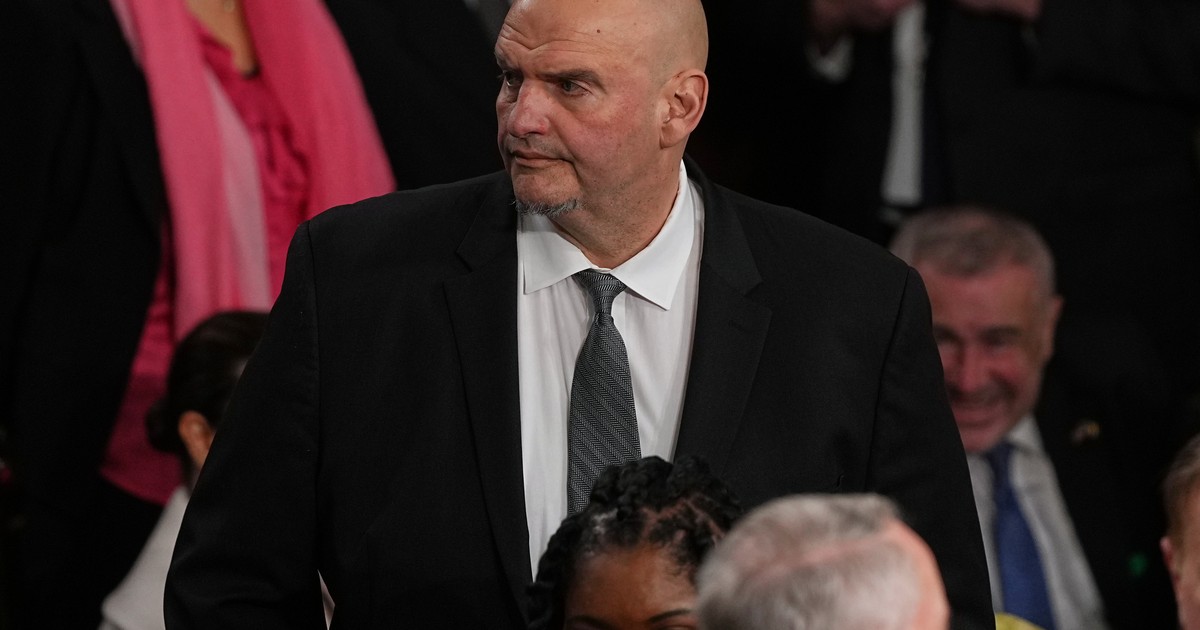
John Fetterman stood out at the Senate hearing by refusing to join the choir praising Anthony Fauci, pushing instead for a less partisan search for answers about COVID origins.
The Senate Homeland Security Committee hearing on Anthony Fauci turned into a predictable spectacle where many Democrats defended Fauci and avoided tough questions. That posture reinforced the familiar image of loyalty over scrutiny, which only deepens public distrust. In a room full of predictable talking points, one Democrat broke from the crowd.
Senator John Fetterman did not spend the day fawning over Fauci or reflexively shielding him from criticism. He didn’t try to aggressively brand the moment for a viral clip, and he avoided the theatrics that too often dominate these sessions. Instead, Fetterman offered straightforward remarks that pushed against partisan reflexes and nudged the committee toward serious inquiry.
The reason this mattered is simple: questioning Fauci aggressively would have been largely pointless because Fauci invoked the Fifth Amendment at key moments. With that legal wall up, grandstanding yields headlines but little truth. Still, Fetterman managed to outline a sensible posture for investigators and lawmakers to adopt going forward, making the point that politics should not dictate where we look for answers.
https://x.com/townhallcom/status/2082481171099709782
“It’s not about much more your regrets, but I have one,” Fetterman said. “And that is, early on, that there was the theory that the virus could’ve emerged from the lab. And early on that became like a ‘right-wing’ kind of theory and I thought it seemed to make sense. Now, there was a really advanced lab that was close by and then you have this unknown virus out. But that became a very partisan thing, and now it seems it’s more and more emerging theory that it would have come from the lab.”
That line cut through a lot of theater. Fetterman admitted how partisan labels can blind even reasonable people to plausible explanations, and he made clear that acknowledging a possible lab origin is not a political victory for anyone. From a Republican standpoint, his honesty was refreshing because it conceded a point many on the right have long made while refusing to play political games. It’s notable when a member of the other party breaks rank and speaks plainly about the importance of following evidence rather than party talking points.
“I hope, I think, that the next time our nation’s facing something like this we are not become, as I might have been, blinded by the partisan idea that maybe the truth might come from a side that’s different than you are. But I think we should really be willing to pursue truth no matter where that may have emerged,” he added.
The broader pattern in Democratic responses to COVID over the past several years has too often been defined by reflexive opposition to President Trump and his allies instead of clear-eyed assessment. That posture warped incentives and encouraged officials to prioritize narratives that protected political allies. When governing turns into a tribe defending its members, oversight and accountability suffer—and the public pays the price in lost credibility and answers.
Fetterman’s few moments of independence aren’t a cure for systemic partisanship, but they show how even a modest break with the party line can shift the tone of a hearing. Republicans and independents who want accountability are right to press for transparency and for investigators to pursue evidence wherever it leads. The point is not to score points, it’s to get to facts that matter for future preparedness and policy.
Listen to how the debate on origins and oversight unfolded and you’ll see why this matters beyond a single hearing. Partisan reflexes turn urgent questions into political footballs while the real work—collecting records, interviewing witnesses, and following the leads—gets delayed or ignored. If future hearings are to produce anything useful, they need more of the blunt honesty Fetterman showed and less of the reflexive defense that undermines public confidence.