Indiana’s redistricting fight produced real consequences: senators who bucked the effort faced primary losses, the state senate leader reversed course and announced he won’t seek another leadership term, and the fallout is reshaping GOP accountability in the state.
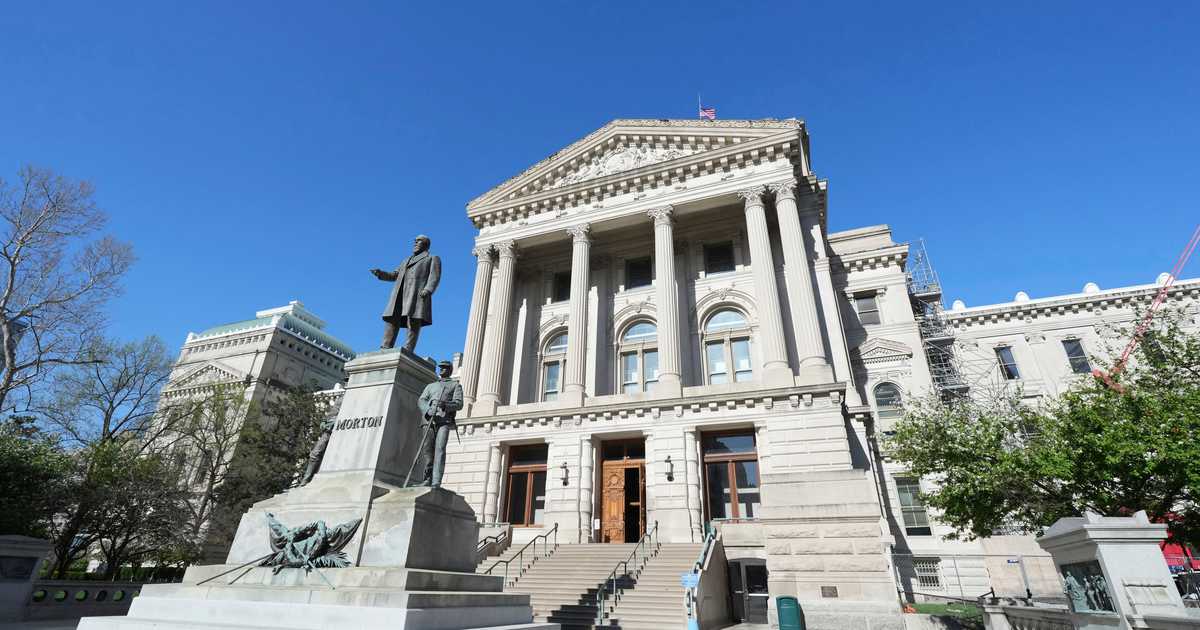
Republican voters in Indiana sent a clear message this spring: leadership that refuses to deliver on core priorities will face consequences. That message hit hardest after the Legislature declined to follow a national redistricting push, and a number of incumbents who opposed the effort were defeated in May primaries.
The political turmoil culminated with Senate President Pro Tempore Rodric Bray announcing he will not seek reelection as the chamber’s top leader. Bray has led the Senate since 2018, and while he plans to remain in his Senate seat through the end of his current term in 2028, his choice signals a change in how the party will police leadership going forward.
Bray had initially said he intended to stay in the leadership post, but pressure from rank-and-file and from outside allies shifted the calculus. The decision followed a concerted push to recruit and back primary challengers against senators who opposed the redistricting push, and it came after a wave of primary results that dramatically altered the caucus makeup.
https://x.com/nicksortor/status/2083205867919286346
Eight months after Indiana senators rejected President Donald Trump’s congressional redistricting push — and about three months after six Republican incumbents paid for that opposition in primary defeats — Senate President Pro Tem Rodric Bray announced Friday that he will give up the chamber’s top leadership position.
Bray, R-Martinsville, said he will not seek reelection as president pro tem when Senate Republicans choose their leaders in November. The decision reverses his declaration in May that he intended to remain in the position he has held since 2018.
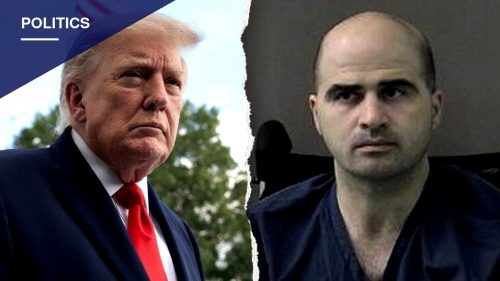
Trump celebrated Bray’s decision and derided him as “the man who so foolishly led the Indiana State Senate.”
Bray will continue leading the Senate and overseeing its day-to-day operations until a successor is selected after the November election. He also plans to remain in the Senate, where his current term representing District 37 runs through 2028.
His announcement directly cited promises to recruit and fund primary challengers against senators who support his bid for another leadership term. Bray said he would not put members of his caucus at risk merely for backing him.
Outside influence and grassroots pressure aren’t new, but the speed of the backlash this cycle stands out. When six incumbents lost primaries after opposing the redistricting move, it didn’t just reshape contested seats — it sent a message that tactical opposition to core aims has tangible political costs.
For Republican leaders, that creates a simple test: deliver results or face organized opposition. Voters who care about effective governance expect leaders to act on priorities that matter to the base, and when leaders visibly fail to protect those priorities, candidates and donors step in to clear the path for alternatives.
The fight over recruiting challengers was not abstract. Party activists and national allies actively weighed in, promising recruitment and funding to those willing to take on incumbents who crossed those lines. That practical, targeted response helped produce the primary outcomes that ultimately reshaped leadership choices for November.
Moving forward, the Indiana experience will be a cautionary tale for other state leaders. Political capital runs out fast if a leader is perceived as unwilling to defend priority policies or to stand with the base when it matters most. That dynamic is not about personality so much as accountability and delivering for voters.
There are two tribes here, Roddy—if you’re not on our side, you’re gone. Leaders who want to avoid that fate will have to show they can win, protect the caucus, and execute on the agenda Republicans expect in this cycle.