A small upstate New York district is piloting a humanoid teaching assistant called ‘Sally’, stirring debate about budgets, unions, and how technology fits into classrooms.
A rural district in New York has started testing a humanoid robot named ‘Sally’ with juniors and seniors at Salamanca High School, and the move is drawing sharp reactions. The robot is presented as an educational assistant rather than a replacement for teachers, but the decision raises predictable questions about money and labor. People on all sides are weighing the practical upside against long-term consequences for staff and students.
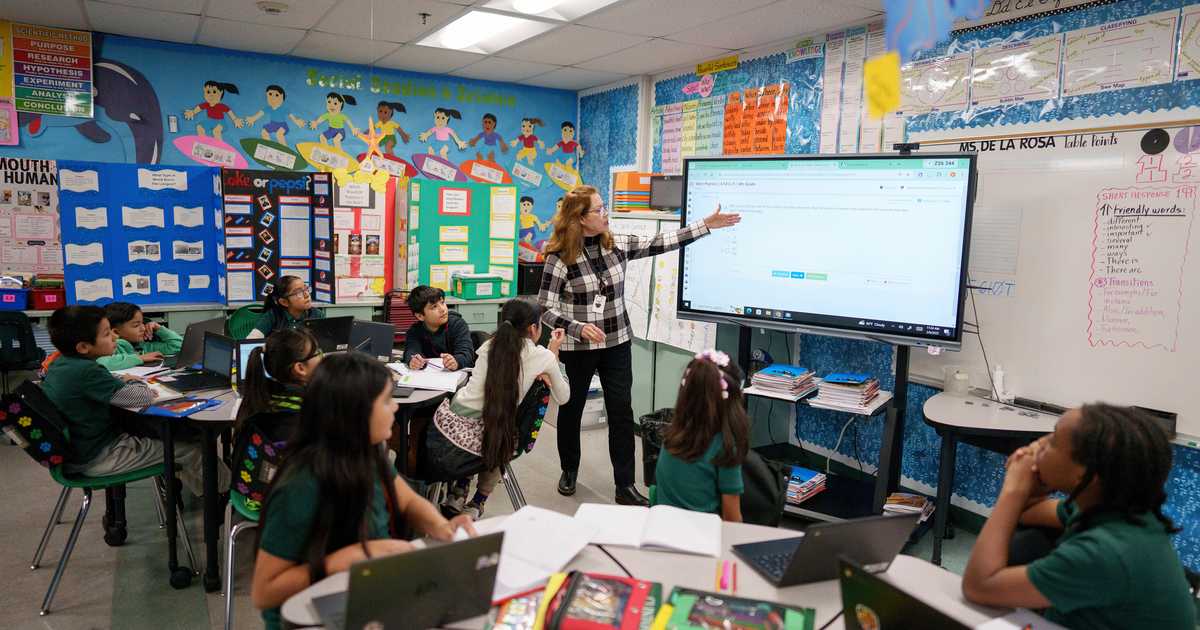
The local plan casts ‘Sally’ as a tool to support instruction, handle routine tasks, and offer extra attention to older students. Administrators stress that the machine is meant to supplement classroom activity and help with tutoring or demonstrations. That promise is explicit: “The school promises ‘Sally’ will never replace real teachers.”
Still, money talks in every district. The average salary of a teacher in New York is between $92,000 and $95,000, so any district looking to tighten its budget will notice the arithmetic. If a machine can deliver some tasks at a lower one-time or incremental cost, school boards under fiscal pressure will at least consider scaling such pilots. Communities that want strong classrooms should track how cost comparisons are done and what assumptions about quality are baked into them.
https://x.com/CollinRugg/status/2078947054345408995
Teachers unions understandably view automation with suspicion because it touches their members’ livelihoods and professional roles. From a Republican-leaning perspective, unions often defend pay and standards, but they can also resist innovations that improve outcomes or reduce waste. The key question for parents and taxpayers is whether a given technology actually improves learning outcomes for students, not whether it upsets an entrenched interest.
There are real pedagogical limits to what a humanoid can do right now. Human teachers read social cues, manage classroom dynamics, and build relationships that motivate students — things robots do poorly. A robot might drill vocabulary or run a demonstration, but skills like mentoring, classroom management, and responding to unexpected student needs remain human strengths.
Still, the practical pressures of running a school system are relentless. Declining enrollment, rising pension obligations, and constrained local budgets force administrators to look for efficiencies. If a machine can reliably help with repetitive tasks or provide personalized practice for students who are behind, some districts will see it as a pragmatic choice. That does not make it a political or moral blank check.
There are also safety and durability questions about putting expensive equipment into unpredictable environments. In some cities with high crime or unstable school climates, the idea that a humanoid would remain intact for more than a few minutes feels naive. Observers note bluntly that in places with serious disciplinary issues a robot could become a target for vandalism or theft, which would erase any projected savings.
Parents and taxpayers deserve to see transparent pilot results, clear metrics, and open procurement documents before robots become a routine line item. Districts should publish performance data: test-score changes, engagement measures, maintenance costs, and staffing impacts. Without that information, decisions will look driven by buzzword appeal rather than sober analysis.
Public reaction will matter, too. Some community members welcome new tools that help students catch up or accelerate, while others worry about a slow erosion of professional teaching roles. The politics of education are always present in these debates — unions will lobby, advocates will push tech firms, and voters will ultimately decide at school board meetings and budget votes.
We should also be frank about expectations. A robot pilot can be a useful experiment if it stays limited, evaluated honestly, and scaled only when evidence supports it. Otherwise, cost pressures can turn a small experiment into a large shift that changes classrooms without the consent of parents and teachers. “All of this.”
For now, Salamanca’s trial will be watched closely as a test case for how rural districts handle innovation and budgets. If the program produces clear benefits, other districts will copy the model; if it fails, taxpayers will demand answers. Either way, the debate highlights how technology, labor, and money intersect at the heart of public education.