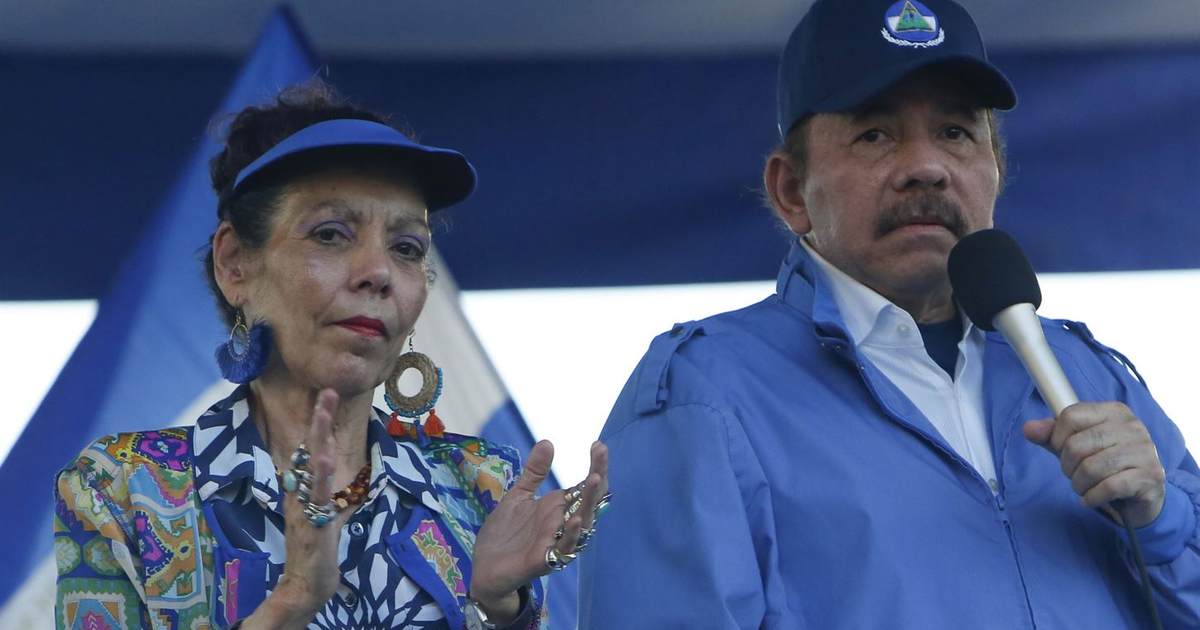
Nicaragua has slid from a revolutionary moment into a locked-down, authoritarian socialist regime under Daniel Ortega, who now says the country will stop holding elections and close the path to any organized opposition.
The Central American nation is run by the Sandinista National Liberation Front, and Ortega’s long climb to power stretches back to 1979 when he led a revolutionary junta. He returned to the presidency in the 2000s and has been reelected repeatedly, most recently in 2021, maintaining tight control over state institutions. That history matters because it shows how democratic openings can be narrowed and then shut entirely by those who refuse to lose power.
Ortega announced that Nicaragua will no longer hold elections, a move that removes the legal path for ordinary political change when his current term ends next year. That statement effectively locks the opposition out of any future electoral challenge, even though Ortega did not spell out how he plans to eliminate ballots or opposition parties. The announcement is the sort of power grab that conservative observers warned could follow once democratic safeguards were weakened.
Nicaragua’s long-serving president Daniel Ortega said the Central American country will no longer hold elections, eliminating the possibility of an electoral challenge when his term ends next year and further entrenching the rule he shares with his wife.
Ortega, who has continuously held power since 2007 following an earlier presidential term in the 1980s, said the move will close off any path to the opposition, although he did not provide details about carrying out the ban.
https://x.com/Reuters/status/2079280862173024355
Removing elections by decree rarely stays paper-only. The mechanisms for enforcing a ban on voting are usually coercive: arrests, intimidation, legal harassment, and worse. Expect the regime to rely on the same blend of security force tactics and legal theater it used after 2021 to crush dissent.
Sure.
Across the region conservative candidates have been picking up wins, but Ortega’s move proves a harsh lesson: once a regime discards the discipline of elections, it can insulate itself from those trends. Nicaragua’s pattern shows how a leader with control of courts, media, and security can shut doors that citizens and opposition forces once thought were permanent. Every institution the government captures becomes another brick in a wall against change.
That Bernie Sanders praised this dictator is the least surprising news we’ll hear today.
“There will be no more elections,” Ortega said via a translator. “There will be no more elections where they try to seize the government, to seize power.”
After his 2021 win, Ortega jailed his opponents and criminalized dissent, hollowing out any meaningful competition in the political system. Those moves were not subtle; they used legal pretexts to silence rivals, shut down independent media, and pressure civic groups into compliance. The result is a system that keeps the trappings of state institutions but robs them of any real check on executive power.
Make no mistake: this is a lesson in the dangers of unchecked centralized control and the erosion of democratic norms. Left unchecked, regimes that remove voting become comfortable with rewriting rules and retrofitting laws to justify repression. The Democratic Socialists of America and other hard-left groups may frame similar tactics as necessary protection, but the outcome is the same—fewer rights and more centralized authority.
Of course the United Nations elevates this guy.
“The Ortega-Murillo regime has declared war on the Nicaraguan people’s right to choose their own future.The United States must stand unequivocally with the people of Nicaragua, increase the pressure on this despicable regime, and ensure that those responsible for its crimes are held accountable,” Rep. Salazar wrote. “After Cuba, Nicaragua is next.”
This is a geopolitical warning sign: when regimes stop holding elections, they not only betray their citizens but also destabilize regional norms. The remedies are political and strategic, and they require sustained pressure from democracies that value free institutions. Observers on the right will note that promises of revolution or social justice too often end as permanent rule by a single clique.
Ortega’s declaration strips away any pretense of democratic transition, and that makes Nicaragua a clear example for those who care about liberty. The story unfolding in Managua is a caution for countries that treat elections as mere rituals rather than as real checks on power. For now, Nicaragua shows what happens when the tools of democracy are turned into the instruments of domination.