Philadelphia’s district attorney faces new accusations that internal conflicts were hidden and career prosecutors were warned to “protect the office,” sparking a federal hearing and a charge that supervisors pushed to overturn a murder conviction without proper review.
Two assistant district attorneys have come forward in a dispute that reaches to the top of the prosecutor’s office, saying they refused to be part of an appeal after spotting a serious conflict. The prosecutors, Katherine Ernst and Steven J. Wildberger, say they tried to get the case referred to the Office of the Attorney General but were told otherwise. Their filing paints a picture of pressure inside the office and retaliation fears for anyone who exposed internal problems.
Ernst and Wildberger first sought removal from the Dennis Johnson case in early June 2026 and later formally removed themselves as respondents after concluding the conflict persisted. They say they believed the problem was being handled, only to find the office had not stepped back. That sequence of actions prompted the recent court filing questioning whether the District Attorney’s Office had been properly recused.
https://x.com/PhillyInquirer/status/2079354923465036100
At a Friday hearing, another assistant from the same office questioned witnesses, which underscored the court’s concern that the DAO remained involved. A former prosecutor on the matter, Jaclyn Mason, testified that DAO supervisor Matthew Stiegler held repeated meetings with the prosecutors handling Johnson’s case and allegedly worked to “secure his release” without reviewing key evidence. Mason also said supervisors pressured her to mislead a federal judge rather than invite closer scrutiny of how the office handles murder appeals.
The notice of conflict was filed the day after that hearing, and Ernst and Wildberger say it was prompted when it became “apparent that the conflict they perceive to be burdening the DAO has not been remedied.” Their filing singles out Stiegler, noting he approved a problematic filing aimed at overturning the conviction yet remained involved in advising the team. To the two prosecutors, his ongoing role looked like an attempt to clear his own name instead of protecting impartial justice.
The pair describe repeated attempts to get the DAO to refer the matter elsewhere, only to be met with what they consider obstruction from leadership. They say Krasner told them to “protect the office,” language that alarmed them because it came while they were raising ethical concerns. They later wrote that “DA Krasner stated that there would be ‘consequences’ for anyone who notified the court of the conflict issues.”
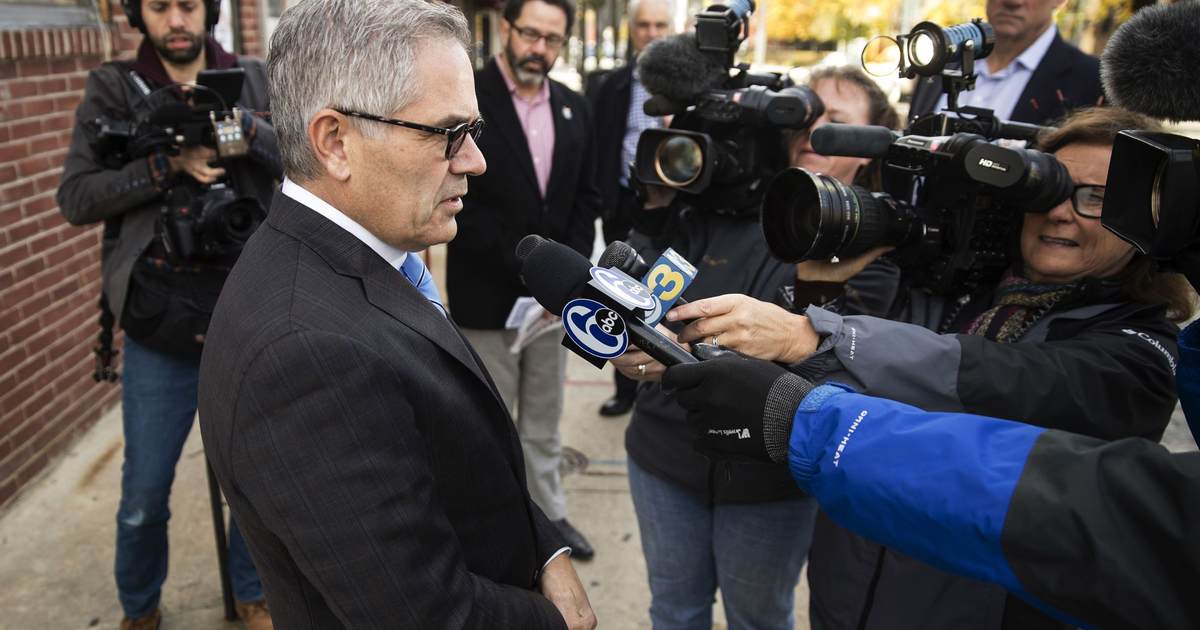
Krasner has declined to fully unpack his side while the case is pending in federal court, saying he must wait until that process finishes. He told reporters, “The DA’s Office will be responding to the recent filing in the ethically appropriate way—on the record, because it is generally viewed as inappropriate and possibly unethical to comment during a pending hearing,” which is his official posture for now. That response leaves critics and the filing’s authors insisting they were left with little choice but to raise the alarm publicly.
The controversy lands amid broader questions about the Conviction Integrity Unit, which has been criticized for frequent reversals and dropped felony charges. Skeptics argue the unit’s practices and supervisory decisions have led to sloppy reviews and troubling outcomes, and this filing gives a rare peak into alleged internal coordination that may have compromised cases. For voters and prosecutors alike, the filing raises basic questions about transparency and whether prosecutors are protected when they push back against flawed internal moves.
From a Republican viewpoint, the pattern here looks familiar: an elected prosecutor with broad discretion whose office’s actions repeatedly spark questions about accountability and public safety. When career prosecutors say they were warned to shield the office instead of following their ethical duty, that is a red flag for how justice is being administered. The federal court process will sort the legal questions, but the political consequence is already clear—trust in the office takes another hit when the public sees alleged collusion and threats rather than a strict adherence to rules and evidence.