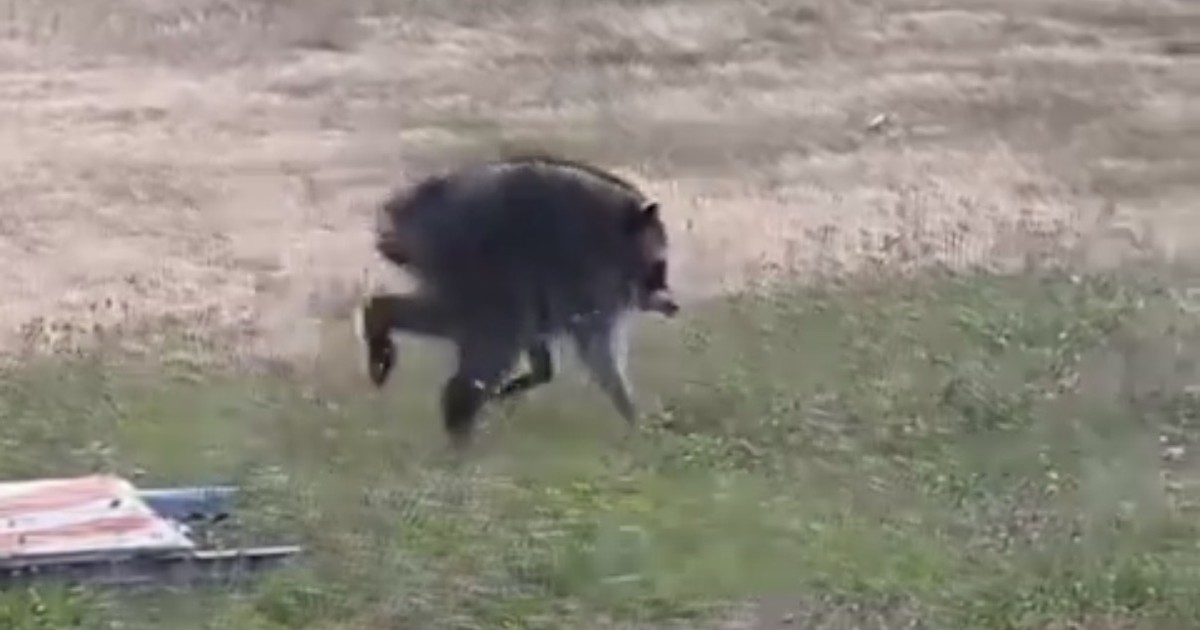
A small, short-spined raccoon in Seattle nicknamed “Jimothy” has become an online sensation, with videos of his odd gait spreading across platforms and prompting conversations about animal welfare, urban wildlife, and how the internet elevates certain creatures into long-lasting cultural touchpoints.
The raccoon first caught attention because his back appears unusually short, and locals settled on the friendly name “Jimothy.” Observers say he likely has Short Spine Syndrome, a congenital condition that changes an animal’s proportions and movement. That distinct look is exactly what sent clips of him into social feeds.
Short, quirky clips show the raccoon limbering around alleys and yards, moving with a mix of awkwardness and agility that viewers find oddly charming. The footage spread quickly on X, TikTok, Instagram, and other apps, where algorithmic boosts turned curiosity into widespread interest. Once a handful of users shared the best angles, the momentum carried the creature far beyond his neighborhood.
People respond to animals that look different in two ways: some laugh and share, and others worry and want to help. Those competing reactions play out in comments, message threads, and local groups that debate feeding, rescuing, or leaving wildlife alone. That conversation often becomes as visible as the animal itself.
Short Spine Syndrome is rare and not always life-threatening, but it can affect mobility and behavior in wild animals, leading to unique gait patterns or altered climbing abilities. Veterinarians and wildlife rehabilitators caution against trying to capture or treat a wild animal without expertise, since human interference can do more harm than good. For urban creatures, survival depends on a delicate balance of food, shelter, and avoidance of people and traffic.
https://x.com/Rainmaker1973/status/2078003339699089718
The internet’s appetite for animal stories is long-standing and sometimes brutal: a clip can elevate one creature to global fame and then vanish as the next viral moment arrives. Harambe is a stark example of how a single incident can echo for years across memes and commentary. The 17-year-old gorilla that Cincinnati Zoo officials killed after a small child climbed into his exhibit in 2016 remains a recurring reference in online culture.
Harambe’s case did more than spawn jokes; it shaped public debate about zoo safety, parenting in public spaces, and the ethics of captive animal management. When institutions and officials react, their choices are scrutinized by millions who did not witness the full context. That scrutiny now comes faster and with less patience than in previous eras.
Public figures and institutions sometimes join the conversation in surprising ways, and those interventions get amplified. In May, the White House commemorated 10 years after Harambe’s death, and 24 million people saw the post. Such large numbers show how a political office can touch a cultural moment and steer attention toward broader questions about wildlife and public memory.
Not every viral animal survives its brush with fame. In 2025, New York officials raided the home of Peanut the squirrel and killed him. The episode sparked angry threads, debates about enforcement, and arguments over whether officials acted appropriately.
Seattle’s urban landscape is full of raccoons, and most go unnoticed until something makes them stand out, like an unusual gait or a peculiar face. When that happens, neighbors and strangers form a loose network of observers who swap tips, footage, and worries. This grassroots attention can sometimes pressure local agencies to respond.
Wildlife experts emphasize that viral interest does not equal expertise, and well-meaning attempts to help can worsen a wild animal’s prospects. Feeding or attempting medical care without permits can habituate animals to people or expose them to domestic hazards. Responsible channels for intervention include licensed rehabilitators and wildlife control officers who understand both animal health and public safety.
The lifecycle of an internet animal is unpredictable: some fade, some inspire advocacy, and some become symbols that outlast the individual animal. For creatures like “Jimothy,” the attention may bring short-term affection and long-term scrutiny. Either way, the moment highlights how quickly modern communities form around unexpected local stories.
At the human level, these viral animals reveal something simple: we are drawn to vulnerability and whimsy in equal measure. Whether people are laughing, worrying, or debating policy, the reaction speaks to a communal need to notice and to respond. That pattern will likely repeat with the next odd creature to waddle into view.