Seattle’s police chief resigned after being asked to step down amid criticism over his absence during the deadly Bite of Seattle shooting, and the city’s leadership choices have sparked a heated response from community leaders and local officials.
Seattle Police Chief Shon Barnes stepped down after the mayor asked for his resignation, a move many viewed as a soft firing. He was reportedly out of the city during the Bite of Seattle shooting that left three people dead, and his extended travel drew sharp criticism from elected officials and residents alike. The timing made the decision look less like routine turnover and more like accountability for leadership gaps.
At the center of the backlash is the basic duty of any police chief: be present when the city needs you most. Barnes’ absence during a major mass shooting raised questions about whether the office was being led with the urgency required to protect neighborhoods. People don’t want excuses; they want competent leadership on the ground and clear answers when tragedies occur.
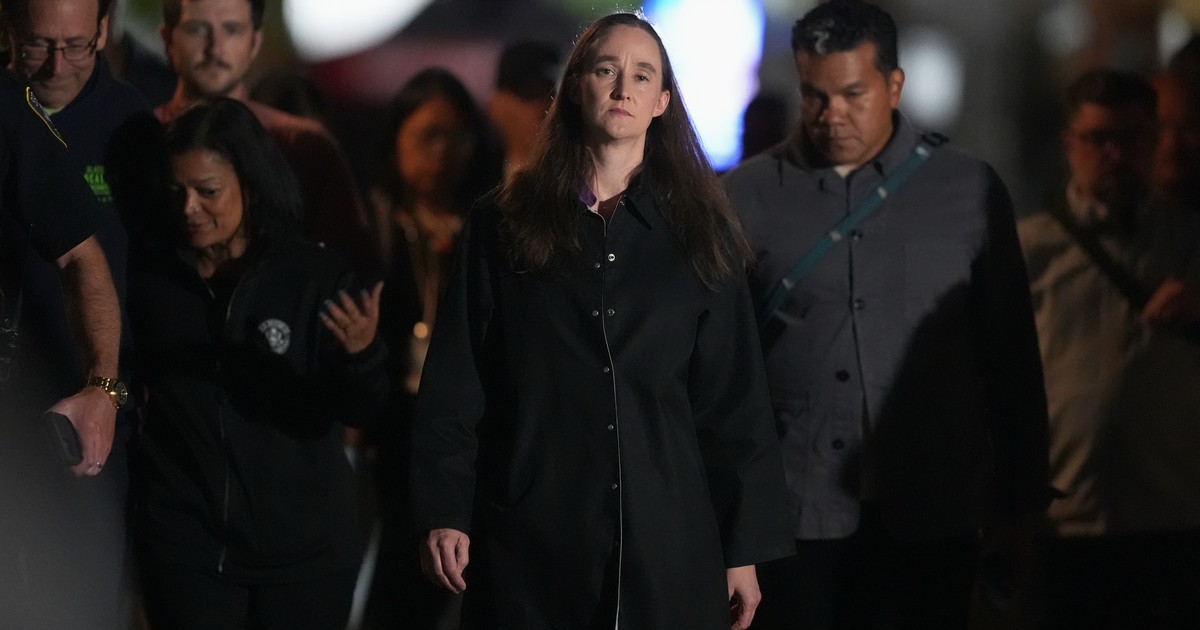
After multiple Seattle City Councilmembers told KOMO News that Mayor Katie Wilson asked Seattle Police Chief Shon Barnes to resign Wednesday night, and that the mayor has confirmed to the council that there will be a “transition” in the Chief’s office, the mayor’s office officially released a statement announcing the resignation Thursday.
The mayor is appointing Deputy Chief Andre Sayles as Interim Chief of the Seattle Police Department, the announcement said.
“Chief Barnes has served this department and this city with dedication, and I am grateful for his service,” said Mayor Wilson. “The courage and professionalism that the officers of the Seattle Police Department showed deserves to be honored. I share Chief Barnes’ hope that we can return our focus to addressing youth gun violence and ensuring that every family can feel safe in their neighborhood and across the city.”
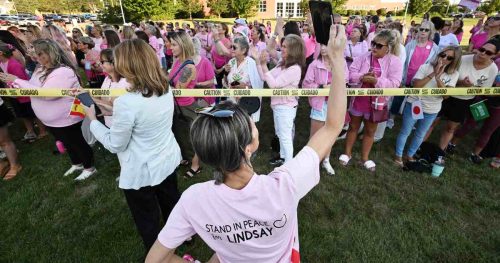
Mayor Katie Wilson’s decision immediately ignited a fierce response from black civil rights leaders who view the firing through the prism of race and representation. They met with the mayor, demanding reconsideration and arguing that removing a Black chief sends the wrong signal to communities already skeptical of city hall. Those leaders are angry and vocal, which has only intensified the political pressure around the move.
https://x.com/jasonrantz/status/2083030153521733986
From a Republican viewpoint, the controversy reveals two things at once: the necessity of tough, visible leadership on public safety and the political minefield that results when city managers lack managerial experience. Wilson, who critics say has never managed a large operation, now faces questions about judgment and priorities after what looks like a high-profile personnel shakeup. Voters care about results, not optics, and this episode underlines the costs of inexperience in a crisis-prone city.
The practical fallout matters. Appointing Deputy Chief Andre Sayles as interim leader addresses the immediate leadership vacuum, but it does not erase the broader trust problem. Residents want policies that reduce youth gun violence and practical steps that make neighborhoods safer, not symbolic personnel moves that dodge accountability. Law and order requires predictable leadership, not a carousel of chiefs and interim titles.
Community trust will be fragile while the mayor’s office and the police department sort through the fallout from the Bite of Seattle massacre and the subsequent shakeup. Black civic leaders are right to press for fair treatment and for policing that serves everyone, but politics should not prevent clear standards of responsibility for top officials. If city leaders want to restore confidence, they must show steady management, prioritize public safety, and stop creating crises through avoidable missteps.