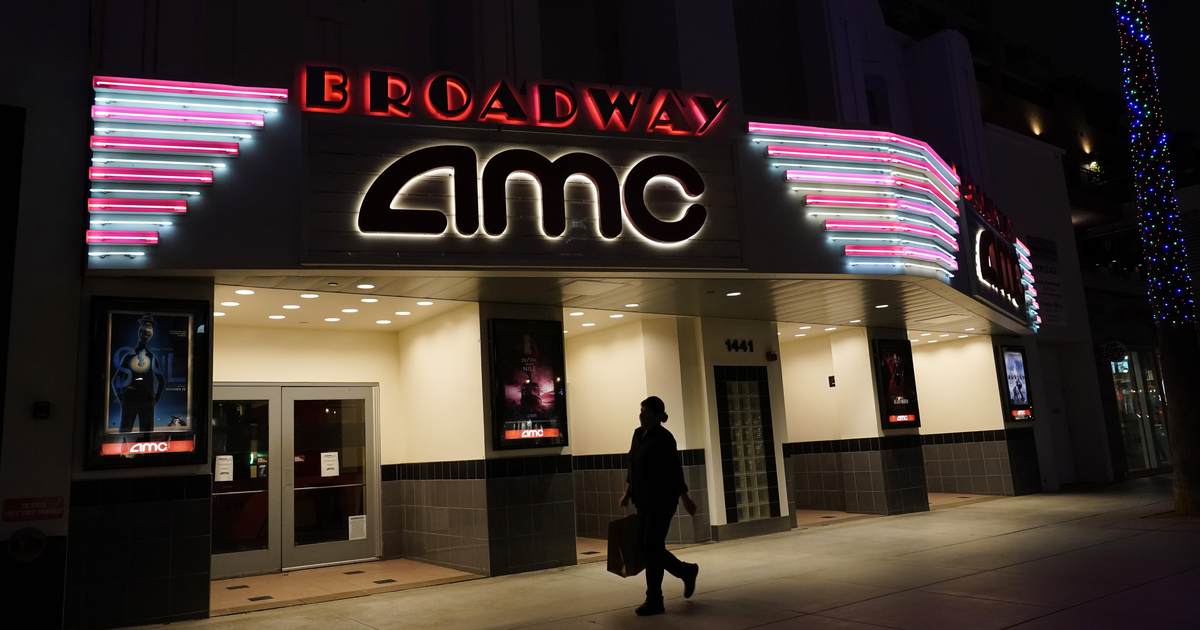
California Attorney General Rob Bonta is leading a 12-state effort to stop Paramount Skydance’s $110 billion bid for Warner Bros. Discovery, arguing the deal would choke competition in film and television and hurt audiences and theaters.
California’s Rob Bonta filed a complaint that frames the merger as an antitrust problem and says it could reduce creative outlets and raise prices for viewers. The lawsuit targets Paramount Skydance’s proposed $110 billion purchase of Warner Bros. Discovery and spotlights conflicts between state regulators and corporate dealmakers.
The filing joins eleven other states in the action: Arizona, Colorado, Connecticut, Massachusetts, Minnesota, Nevada, New Jersey, New Mexico, New York, Oregon, and Washington. The complaint points to a federal antitrust statute that bars mergers likely to substantially lessen competition in a market.
https://x.com/OffThePress1/status/2076719525697884408
Bonta spoke on the matter, stating,
The unlawful merger of these two entertainment behemoths would lead to higher prices, lower quality, and less content for film and television, harming movie theaters, basic cable distributors, and ultimately, audiences on every sofa and movie theater seat in the U.S….Consolidation here not only leads to higher prices — it also leads to fewer opportunities for important stories to come to life, and fewer ways for audiences to encounter stories, ideas, and perspectives beyond their own experiences.
The complaint argues the combined company would gain excessive leverage over distribution and licensing, squeezing theaters and cable channel operators. State attorneys general warn that fewer independent players mean less bargaining power for distributors and less variety for consumers.
Movie theaters rely on competition between Paramount and Warner Bros. to incentivize creativity and secure competitive prices and terms for themselves and for audiences. Paramount and Warner Bros. also compete to market their basic cable channels. To acquire the rights to distribute that content to subscribers, distributors negotiate with Paramount, Warner Bros., and other cable channel owners. Alternatives are essential in these negotiations as is the leverage that each entertainment company provides to distributors.
Industry insiders have pushed back, saying a deal this large could lead to layoffs and centralization that stifle local production and jobs. Critics on both sides warn about how consolidation reshapes where creative decisions are made and who benefits from those choices.
Paramount’s reply to the lawsuit attacked the legal basis of the states’ claims and promised a full defense. The company called the filing, “in the most generous light, reflects a fundamentally flawed application of the antitrust laws and is wrong on both the facts and the law.” The spokesperson added, “We will vigorously defend the transaction and demonstrate that this challenge is inconsistent with sound competition policy and the competitive realities of the media marketplace.”
The Department of Justice took the opposite view earlier this year, closing its probe with backing for the acquisition. The DOJ concluded the deal would “increase competition across the media and entertainment ecosystem, with benefits for American consumers and workers.” That federal determination now sits at odds with the states’ coordinated legal push.
The timing of the dispute matters as new creators and smaller outfits find surprising success outside the major studio system. Recent hits from independent teams and low-budget filmmakers have shown audiences still turn out for original work that big studios sometimes overlook, reshaping distribution patterns and bargaining dynamics.
The indie film Obsession was produced on a $750,000 budget and grossed approximately $400 million, a turnaround that convinced some theaters to extend its run and delay digital release. By contrast, larger franchise projects have posted heavy losses, underscoring that big budgets and corporate scale do not guarantee hits or market health.
Those trends complicate arguments on both sides: states say consolidation erodes options for theaters and storytellers, while the companies argue scale can finance riskier content and wider distribution. The debate now plays out in courtrooms and press statements rather than boardrooms alone.
From a Republican perspective, this lawsuit highlights a familiar tension between state activism and federal determinations about economic policy. When state officials pursue litigation that contradicts a federal agency’s review, it raises questions about predictability for investors and the proper role of state attorneys general.
Conservative critics also worry that aggressive legal action by Democratic attorneys general can chill investment, slow job growth in production hubs, and hand more power to unelected regulators over private-sector strategy. Those concerns frame the opposition as about both principle and practical economic outcomes.
Whatever the court decides, the case will be a touchstone for future media mergers, setting precedent on how competition law applies to entertainment giants. It could reshape how studios approach deals, how theaters and distributors negotiate, and which kinds of creative projects get funded.
Editor’s Note: Hollywood, academia, and liberal elites are out of touch with the average American.