The Senate confirmation of Acting Attorney General Todd Blanche has stalled as Senators Thom Tillis and John Cornyn press the Justice Department for written guarantees tied to the Trump-IRS settlement, pausing committee action and setting up a tense negotiating standoff that has drawn public comments from the senators and from former President Trump.
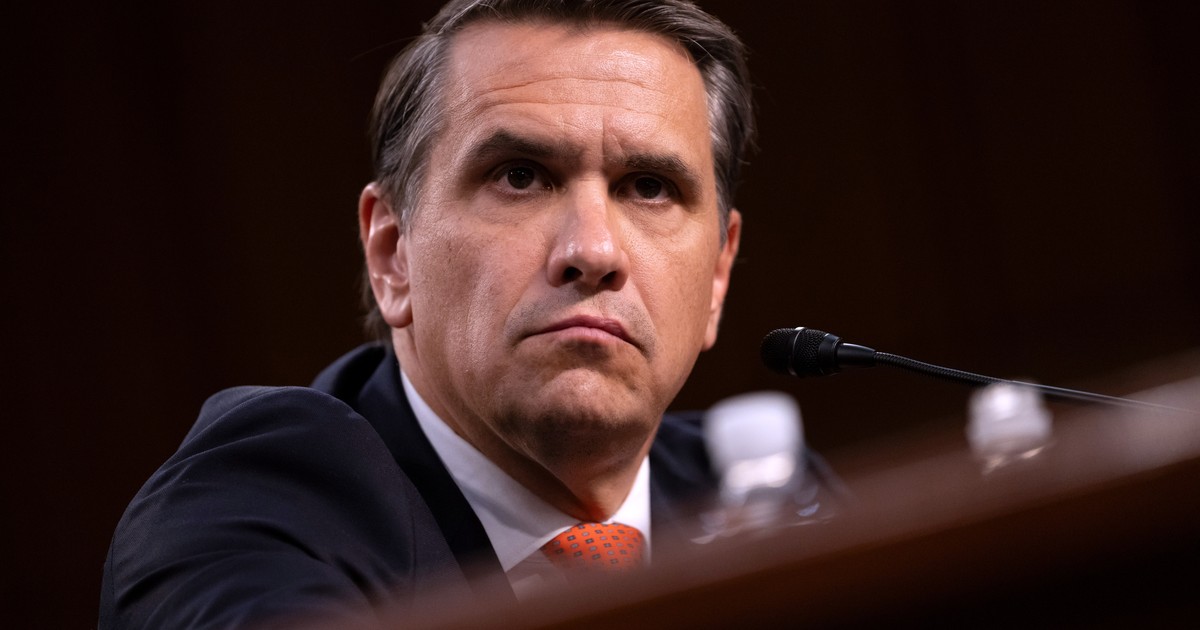
The push to confirm Acting Attorney General Todd Blanche hit a snag when a scheduled Senate Judiciary Committee meeting was postponed. Blanche must clear that committee before the full Senate can vote, and senators who once supported Republican nominees are demanding concrete assurances first. This is not a routine delay; it reflects deeper concerns about DOJ commitments and oversight from within the GOP caucus.
Senators Thom Tillis and John Cornyn say they want “written assurances from the Department of Justice regarding the Trump-IRS settlement,” and they have used that demand to slow the nomination timeline. Cornyn reportedly floated a counteroffer to the department, signaling he is willing to negotiate but not ready to rubber-stamp the nomination. The senators’ maneuver shows they want enforceable language and guarantees, not mere verbal promises or vague pledges.
Those negotiating points center on two hot-button topics conservatives have watched closely: a once-proposed anti-weaponization fund and the scope of IRS audits tied to the settlement. Concerns include whether the DOJ will bind itself to limits that prevent political weaponization and whether taxpayers will face expanded audit exposure. Republicans pushing the conversation argue that assurances are necessary to restore public trust in how law enforcement and tax enforcement interact with politics.
<p“”I don’t know whether they think they could wait us out or we’ll cave, but I assure you we won’t,” Cornyn said, underscoring the tenor of the talks and making clear he and allies expect tangible results. That quote captures the hardline stance at play: conservatives demanding clarity and written commitments before moving forward. It’s a reminder that confirmation fights are often about more than one person; they’re about precedent and policy limits at the Justice Department.
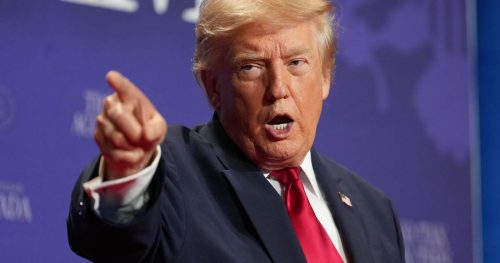
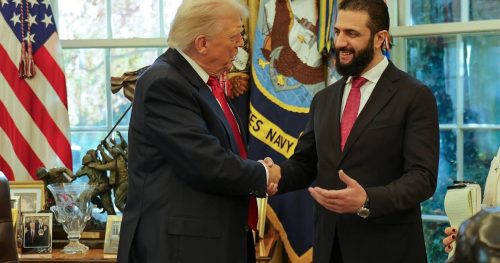
On the other side of the conversation, former President Trump expressed surprise at any suggestion of trouble around Blanche’s confirmation. “I haven’t heard that there’s a problem. I heard he’s going through quite nicely,” Trump said, signaling he expected smoother sailing for his pick. His comments reflect confidence that the administration’s nominee should clear routine confirmation hurdles.
https://x.com/LauraEWeiss16/status/2082837826962419968
Still, the White House view and the Senate reality are diverging. Cornyn and Tillis have framed their stance not as obstruction but as accountability, saying written DOJ commitments will prevent future overreach and protect ordinary Americans. From a Republican perspective, forcing the department to put guarantees in writing is a defensive step against politicized enforcement tactics that have previously hurt conservatives.
There’s also a political angle beyond policy. Some Republicans see personal dynamics playing into the dispute, with suggestions that old grudges and primary politics color how senators approach nominations. Whether that factor matters to Cornyn and others, their demand for specific, documented limits is what will ultimately decide the timeline. Senators are signaling they will not be hurried into a vote without what they consider sufficient protections.
Todd Blanche, who stepped into the acting role in the spring after Pam Bondi’s tenure, previously served as the president’s private attorney, which complicates how some senators view his independence. That background makes many senators cautious about putting a long-serving or permanent attorney general in place without clearer boundaries. Republicans pushing back say a nominee tied closely to the president needs transparent commitments that the department will act within agreed constraints.
The stalled process underscores a larger point for conservatives: confirmations are leverage points for policy and safeguards, not just personnel placements. Demanding written assurances on the Trump-IRS settlement and related enforcement policies is a way for GOP senators to convert a confirmation into a tool for protecting future administration actions. That approach may slow the process, but it also forces the DOJ to clarify its position on issues many conservatives view as existential to fair governance.
As the negotiation continues, senators and the Justice Department will have to decide whether a written deal can be struck that satisfies Republican concerns without undermining DOJ independence. Republicans in the Senate emphasize that a clear, enforceable framework is preferable to vague promises, especially after years where weaponization fears have shaped political debate. The coming days will test whether compromise is possible or whether the holdout will lead to a lengthier confirmation fight.