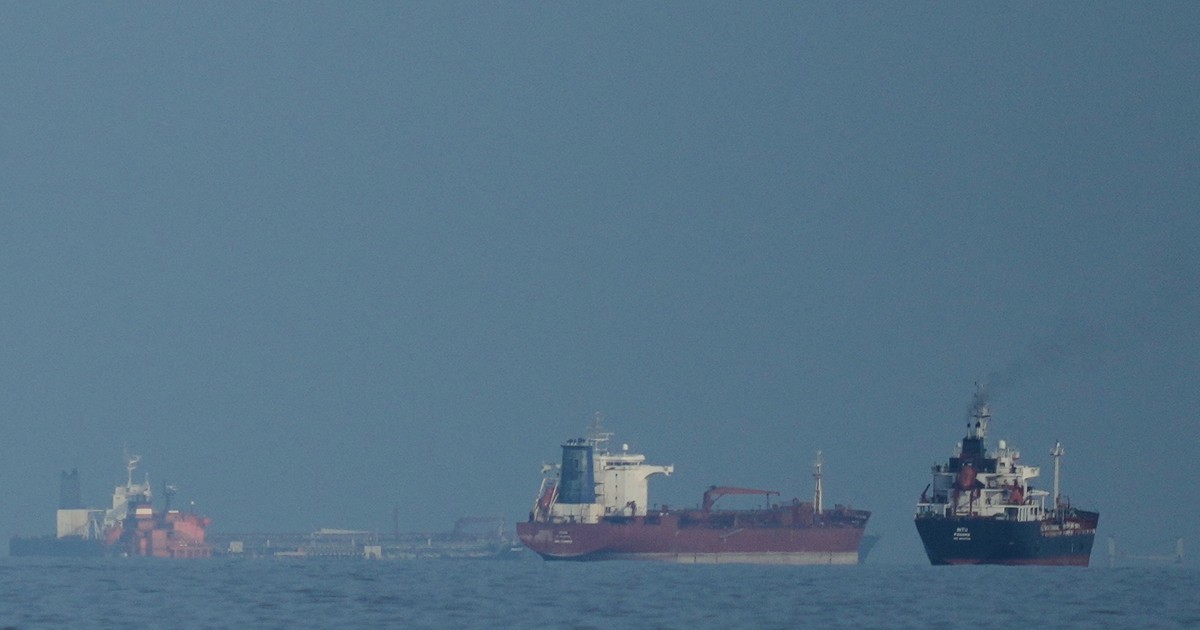
The U.S. launched new strikes on Iran at 5 p.m. Sunday, with Central Command saying the operation aims to protect commercial shipping through the Strait of Hormuz and hold Iranian forces accountable after attacks on civilian mariners and a reported closure of the waterway.
The United States carried out fresh military strikes against Iranian targets at 5 p.m. on Sunday, the U.S. Central Command said on social media. Officials described the action as a targeted effort to blunt Tehran’s ability to threaten commercial vessels and civilian mariners in one of the world’s most critical shipping lanes. This move came after a spate of provocative incidents that raised the stakes for both military planners and ship operators. In plain terms, Washington framed the strikes as necessary to keep commerce moving and sailors safe.
Iran had reportedly fired on a commercial ship on Saturday and claimed the Strait of Hormuz was closed, disrupting a choke point through which a significant share of global oil exports pass. That series of incidents alarmed allied navies and private shipping firms, which view any sustained closure as a major threat to energy markets and international trade. Republican policymakers argue the situation demanded a forceful response to deter further escalation. The strikes were presented as calibrated but firm steps to reestablish deterrence.
“At 5 p.m. ET today, U.S. Central Command forces began launching more strikes against Iran to continue degrading their ability to attack civilian mariners and commercial ships freely transiting the Strait of Hormuz. The Commander in Chief has directed the strikes to hold Iranian forces accountable.”
CENTCOM also moved quickly to rebut narratives coming out of Iranian state media that claimed four U.S. service members were killed in a strike in Kuwait. Military officials labeled those reports false and emphasized that accurate, on-the-ground assessments guide tactical and strategic choices. Fighting propaganda and staying rooted in verifiable facts is critical when tensions run high and misinformation can inflame public opinion. This was a reminder that information warfare accompanies kinetic action.
https://x.com/CENTCOM/status/2076415793458303021?ref_src=twsrc%5Etfw
The deterioration in U.S.-Iran relations accelerated after reports surfaced that Iran allegedly plotted to assassinate former President Trump while he was in Turkey earlier this week. That accusation intensified calls within Republican circles for a robust posture to deter any attack on U.S. leaders, assets, or allies. In public comments that followed, Trump stressed the gravity of the threat and signaled willingness to respond decisively to hostile acts. Those statements framed the administration’s message that threats to American personnel or officials will meet with overwhelming force.
In a blunt public declaration, Trump said that “1000 Missiles” are aimed at Iran in case it assassinates him. He also warned that he had given orders to “completely decimate and destroy all areas of Iran…” in such a scenario. Those quotes underscore a posture of maximum deterrence and reflect a long-standing Republican view that credible, unmistakable military options are needed to prevent adversaries from testing American resolve. The rhetoric was meant to leave no doubt about the consequences of an attack on U.S. interests.
From a Republican perspective, the strikes are the right kind of response: decisive, limited, and rooted in a clear objective of protecting commerce and lives. Lawmakers and commentators on the right have pushed for measured military pressure when diplomacy alone cannot stop repeated hostile acts at sea. They argue that showing strength reduces the chance of prolonged conflict by convincing Tehran that further escalations would be costly. This approach prioritizes deterrence and the safety of civilians who depend on global shipping routes.
Protecting the Strait of Hormuz is not only a military task but an economic necessity, since disruptions send shockwaves through energy markets and global supply chains. U.S. forces operate in a coalition environment that includes regional partners who have also voiced concern about freedom of navigation. Ensuring commercial traffic can transit without harassment is a practical objective with wide bipartisan support, though Republicans emphasize that achieving it sometimes requires credible force. The recent strikes were framed as part of that practical effort.
CENTCOM’s actions also aimed to counter the fog of war and deliberate misinformation that can spread during crises. When state actors push false casualty reports, it complicates both public understanding and policy debates at home. Republican voices have been quick to call out those falsehoods and demand clear, factual reporting from military leaders. Maintaining credibility while using proportionate force is central to sustaining public and allied support for operations abroad.
Officials say the situation remains active and that U.S. forces will continue to monitor shipping lanes and Iranian activities closely. Military planners are prepared to adjust operations based on real-time intelligence and evolving threats to mariners and commercial traffic. For now, the posture is one of vigilance combined with targeted action to protect American interests and deter future Iranian aggression.