The Wisconsin Democratic primary has devolved into a scramble over absentee ballots after multiple candidates dropped out, prompting party operatives to ask election officials for a rare do-over and raising wider questions about early voting and mail ballots.
The Democratic contest in Wisconsin has been chaotic and fast-moving, with prominent players exiting the field in quick succession. David Crowley withdrew and threw his support to Lt. Gov. Sara Rodriguez, only for Rodriguez’s campaign to collapse and for her to exit the race days later. That sequence has left voters and party officials scrambling to adjust to a new reality.
Party operatives quietly pressed Crowley to return, convinced he is the only candidate able to block Francesca Hong, whom they see as a weak general election prospect. That strategy underlines the internal panic: an establishment trying to steer voters away from a nominee they fear will lose the state in November. The pressure on Crowley reflects broader worries about electability over grassroots choice.
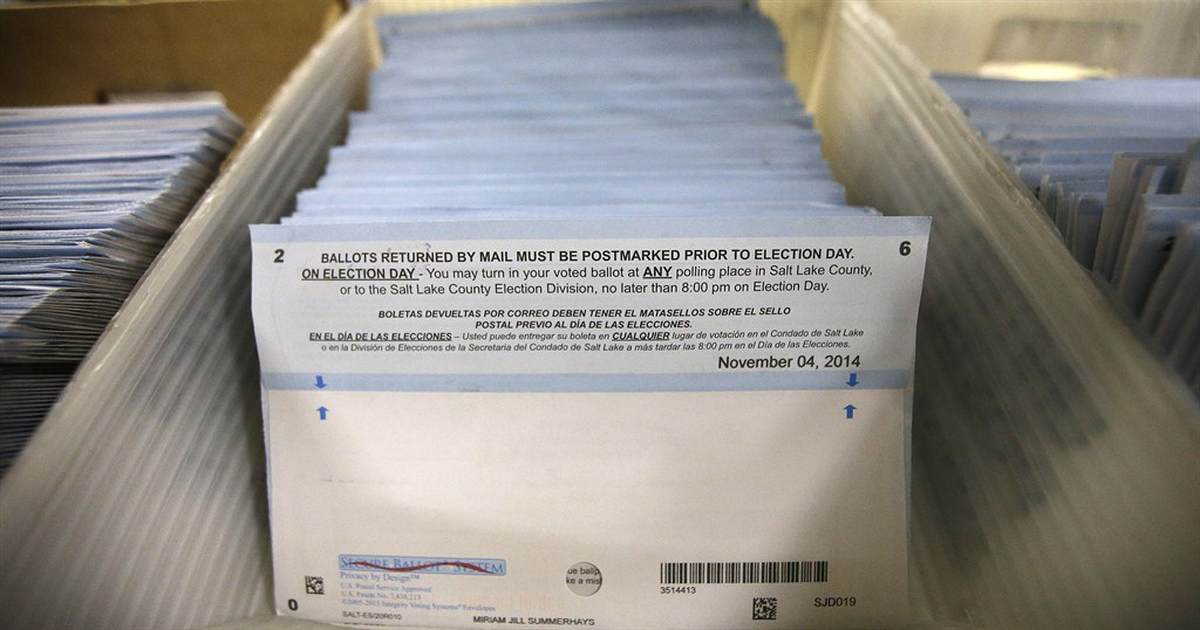
The timing problem is practical and legal: Wisconsin law bars early voting from starting more than 14 days before an election, so early voting for the August 11 primary opens on July 28. Yet thousands of absentee ballots were requested and even returned well before that window, meaning many votes reflect preferences from before candidates abandoned the field. The mismatch between the ballot timeline and candidate turnover has created a real mess.
Democrats have asked the state elections commission to overturn guidance that prevents absentee voters from obtaining a replacement ballot if their chosen candidate withdraws. That request aims to give voters a second bite at the apple, but it also seeks an exception to rules designed to keep elections orderly. The push for a do-over highlights how mail voting can bind outcomes to past choices and then demand special fixes when the political landscape shifts.
Officials were contacted for clarification, but the usual back-and-forth with election authorities produced little immediate relief. Calls routed to voicemail went unanswered by publication time, leaving voters uncertain about whether they can correct or change ballots already returned. That silence from the commission fuels frustration among voters who want clear, enforceable rules instead of last-minute band-aids.
https://x.com/MollyBeck/status/2079605133676106172?ref_src=twsrc%5Etfw
This situation underscores the perils of widespread absentee and mail-in voting systems that operate weeks before an election. When ballots are cast long before the final lineup is set, a voter’s intent can be nullified by events out of their control, like candidate departures. That reality creates a tension between convenience and the integrity of reflecting current voter choice.
Calls for a ballot do-over deserve skepticism from anyone who values predictable election rules and equal treatment for voters. Making exceptions every time a candidate drops out invites more chaos and legal fights, while creating incentives for parties to seek tactical advantages through litigation. Voters deserve a process that is stable, transparent and not subject to ad hoc rewrites when one side panics.
Wisconsin Democrats are explicitly trying to block Francesca Hong because they believe she cannot win in November, which would be another instance of party elites attempting to overturn grassroots preferences. Similar intraparty interventions happened nationally in 2024 around Joe Biden and recently in Maine with Graham Platner, showing a pattern: establishment actors attempting to substitute their calculus for voters’ choices. That trend breeds cynicism and fuels the perception that parties put power over principle.
Wisconsin Elections Commission chairman Don Mills has said he will not convene a meeting to reconsider the guidance, signaling a reluctance to rewrite procedures on the fly. That decision closes one administrative route for Democrats seeking relief and sets the stage for other actions. With officials holding the line, the dispute seems likely to move into the courts rather than being resolved by regulators.
If litigation is the next step, expect it to drain resources and attention from campaigning at a time when parties should be focused on voter outreach and turnout. Court fights over process rarely produce quick fixes and often leave practical voters stuck in limbo. Meanwhile, the clock is ticking toward early voting and the primary itself.
Editor’s Note: The 2026 Midterms will determine the fate of President Trump’s America First agenda. Republicans must maintain control of both chambers of Congress.