The WNBA is tangled in a dispute over a viral moment involving Sophie Cunningham, and the league’s response has stirred debate about image licensing, player rights, and whether the reaction matches the moment itself.
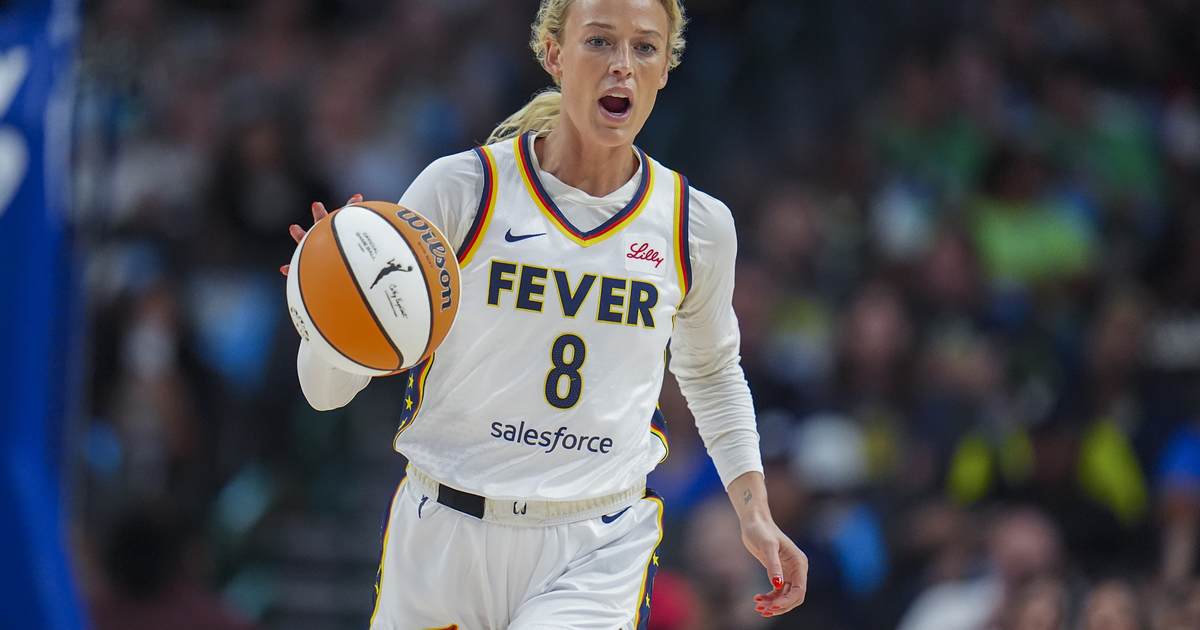
A June 24 matchup between the Indiana Fever and the Phoenix Mercury produced a short, sharp exchange late in the fourth quarter when Sophie Cunningham and DeWanna Bonner squared off. Cunningham’s finger-pointing quickly jumped from a single moment on the court to a widely shared meme across social platforms. Fans turned the image into jokes and merchandise ideas almost immediately, and the moment seemed poised to give the league a visibility boost.
Instead of embracing the attention, the players’ union has stepped in and blocked licensed partners from using the image, describing the gesture as derogatory. That move prevents official licensees from turning the clip and image into products, even though the moment is already viral. At the same time, Cunningham herself remains free to make deals directly with brands and profit from the publicity.
https://x.com/RatioedSports/status/2070711073775231466
The conflict highlights the oddities that can pop up at the intersection of viral culture and collective licensing agreements. The union’s group licensing deal allows brands to license player name, image, and likeness through a single agreement, which simplifies deals for partners but gives the union gatekeeping power. When the union decides something crosses a line, it can block group licensing use while leaving individual players to pursue separate sponsorships.
That split creates a curious situation: authorized vendors tied to the union are barred from leveraging the Cunningham moment, yet Cunningham can still capitalize on it privately. The inconsistency has frustrated observers who see a missed promotional opportunity for the league. It also raises practical questions about what counts as derogatory in a playful, internet-driven moment that fans overwhelmingly treated as lighthearted.
Sophie Cunningham pointing at DeWanna Bonner has become one of the most recognizable images in the sports world in recent weeks.
However, the WNBPA is stopping business partners from utilizing the image.
Sports business reporter Darren Rovell shared Monday that the WNBPA is prohibiting business licensees from using the Cunningham point, with the union reportedly calling it “derogatory.”
Licensed brands with the union include 2K, Breaking T, Lids, and Panini, among others.
Despite the union’s decision on the matter, Cunningham can monetize the incident herself, even with brands that are partnered with the union, since players can individually sign sponsorship deals with any brand.
The union’s group licensing agreement with all WNBA players allows brands to license athletes’ name, image, and likeness without direct negotiation with individual players, but if the union does not approve a deal, players can sign brand deals on their own, separate from the union.
That block in sanctioned licensing doesn’t erase the meme or the attention. The moment continues to crop up across timelines and fan commentary, and unauthorized merchandise is likely to appear regardless of union restrictions. The union can limit official channels, but the internet has its own distribution system that cares less about contracts and more about what people find amusing.
For Cunningham, the upside is simple: attention translates into bargaining power with sponsors who want to tap a trending moment. She can sign deals directly and control how her own likeness is used outside the union’s group license. For the league and its partners, the position is trickier, since preserving a certain brand image may conflict with embracing the organic ways fans promote the sport.
Observers have noted this episode is part of a broader pattern where internal decisions seem to cut off potential marketing wins. Moments that could humanize players and bring casual viewers into conversations instead get caught in bureaucratic or protective instincts. That approach can frustrate fans who would rather see the league capitalize on viral energy than fight it.
The situation also puts a spotlight on how modern sports marketing works when social media sets the agenda. Leagues, unions, and brands must balance control with flexibility, or they risk missing the benefits of genuine fan engagement. How the WNBA, its union, and Cunningham navigate the next steps will show whether the league treats these flash moments as liabilities or chances to grow goodwill and attention.
The controversy won’t change the image on the internet, but it may influence how future incidents are handled. For players who see their own moments go viral, the split between group licensing and individual deals will likely be a recurring point of negotiation. Fans will keep sharing and remixing what they like, regardless of official permissions.