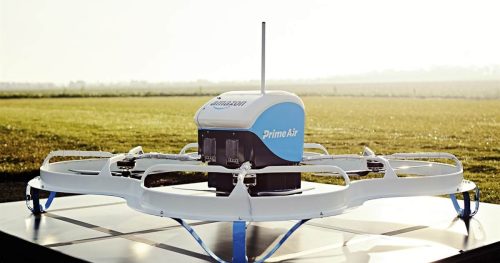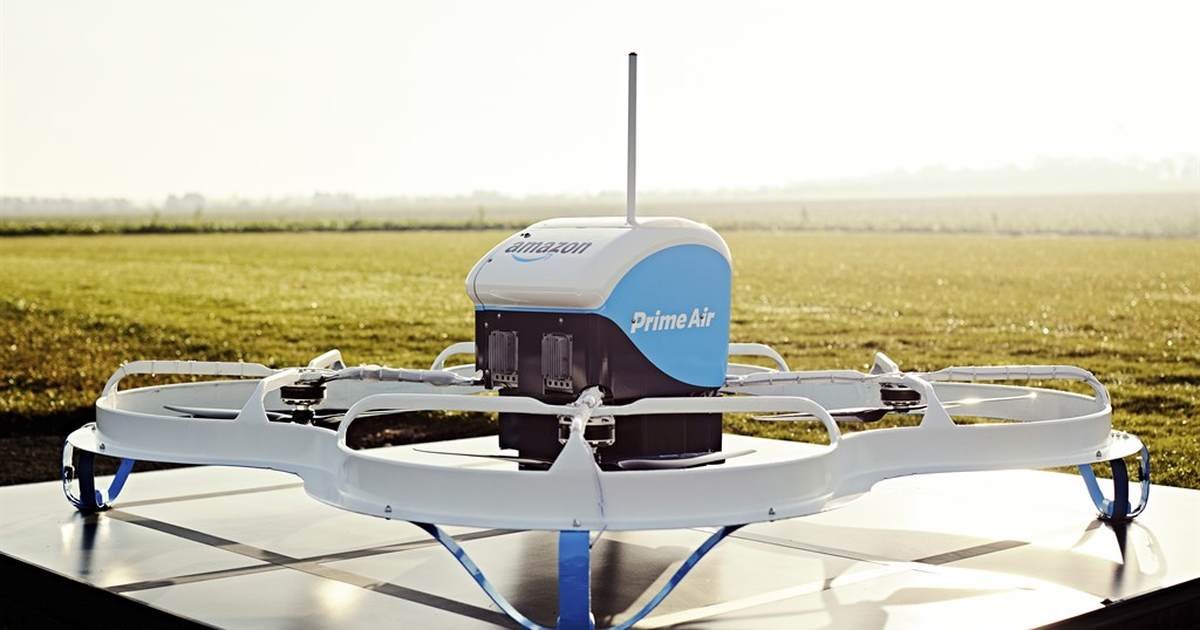
Amazon’s Prime Air drone program promises fast, 30-minute deliveries for small packages, but a recent backyard fiasco shows how new tech can still go off the rails when a delivery ends up in a swimming pool.
Amazon has been rolling out Prime Air to speed up deliveries for items under five pounds, aiming for short, efficient drop-offs. The company is pushing to expand the service to roughly 500 cities by the end of the year, betting that drones will cut wait times and change last-mile logistics. That plan sounds neat on paper, but real-world hiccups are inevitable when you start flying packages over people’s homes.
A customer in Richmond, Texas, named Lindsey Austen received an alert that a Prime Air package was out for delivery and went outside to watch. She heard the familiar buzz of a drone and filmed as it moved toward her property, tracking its approach from a short distance. The scene looked routine until the drone came over her backyard and one of its compartments opened.
The video shows the drone hovering above a pool, a small hatch releasing, and then the box dropping straight into the water as it floats down. “Oh my God,” she says.
Austen later described her shock on camera. “When it went into the pool, I was shocked,” Austen said. “I don’t think I’ll be wanting any more drone deliveries.” The package’s contents were not revealed, and the incident has prompted questions from neighbors and viewers about how drones choose safe drop zones.
An Amazon spokesperson addressed the episode and framed it as an uncommon error. “Prime Air provides customers with fast, reliable delivery across a broad selection of products and the response from customers using Prime Air has been overwhelmingly positive,” Payne noted. “Incidents are extremely rare and when a delivery doesn’t go as planned, we learn from it.”
https://x.com/CBSNews/status/2090414391011213316
Despite that reassurance, the clip highlights practical problems that automated delivery faces in suburban settings, including unexpected obstacles and tricky terrain. Pools, fences, trees, and pets are all variables that a programmed delivery path must account for, and a single mistake can turn a routine drop into a ruined order or property damage. Companies will need to refine sensors, geofencing, and fail-safes to keep drones from misreading landing areas.
The episode also raises questions about accountability and customer protection when autonomous systems mess up. Who covers a soaked or damaged item, and how quickly will refunds or replacements be processed after a drone error? Consumers will want clear policies on liability, faster customer support for mishaps, and transparent explanations when drones deviate from expected drop points.
For Amazon, incidents like this are a reputational test even as it tries to demonstrate scale and convenience. A handful of viral missteps could slow public acceptance and force the company to tighten safeguards before expanding to additional cities. Operational reliability and visible safety improvements will matter more than marketing when people decide whether to accept a package from the sky.
Drone delivery still offers real upside for fast, small-item shipments, but stories of packages ending up in yards, trees, or pools underline the gap between prototype performance and widespread use. As Prime Air grows, expect more scrutiny from customers and regulators about how well those systems navigate real neighborhoods and protect both parcels and people.