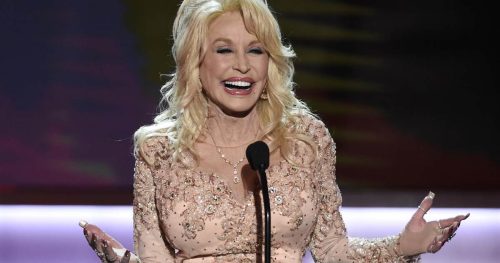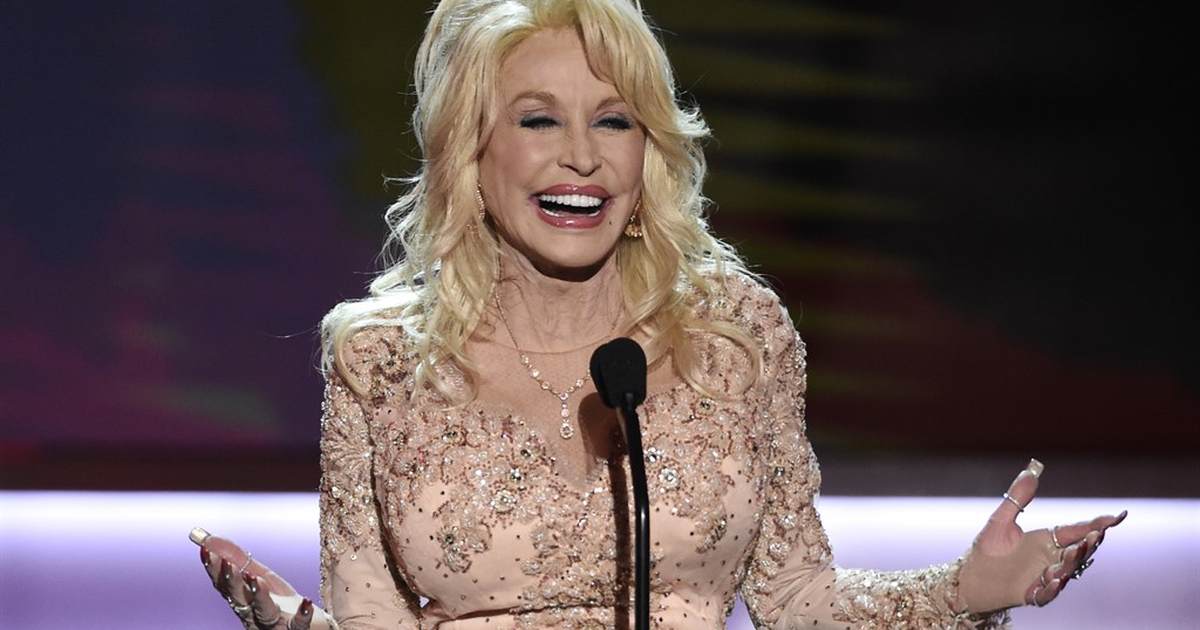
CNN issued a public apology after airing an image of a Dolly Parton impersonator during coverage of the singer’s death, a slip that sparked backlash and led the impersonator to call out the network for poor verification. The incident highlights the challenges of rapid news production and the reputational risks for outlets that rely on shortcuts. The misstep came as tributes poured in for the music icon, who died at 80 after recent health struggles and a brief fight with cancer.
The network ran a tribute segment that included an obvious impersonator among genuine images of the star, and viewers noticed right away. Mistakes like this undercut trust at a sensitive moment, when audiences expect accuracy and respect in memorial coverage. For many, the error felt avoidable and emblematic of rushed newsroom practices during breaking news.
The impersonator involved had a long career performing as a tribute artist, and she said the mix-up left her shocked and flooded with messages. She emphasized that she never tried to pass herself off as the real Dolly Parton and that the choice of imagery was inappropriate given the many authentic photos available. That public reaction amplified the story and pushed the network to acknowledge the error quickly.
When a major outlet admits a mistake, the ripple effects are immediate: social media commentary, headlines about media standards, and questions about internal fact-checking. Audiences often assume that visual elements in televised remembrances are vetted, so finding a stand-in among archival images feels like a breach of basic newsroom duty. The apology itself acknowledged the fault, but it did not erase the embarrassment and the broader conversation about standards.
Beyond the image mistake, other coverage missteps surfaced as commentators debated how media treat famous women, their personal choices, and the narratives assigned to their lives. Some outlets pursued angles that ignored important context, and critics called out those angles for being shallow or tone-deaf. Those critiques kept the focus on media behavior rather than only on the deceased’s life and legacy.
https://x.com/nypost/status/2093032380839731200
The problem is not new: any rush to publish or broadcast can lead to misplaced photos, misattributed quotes, or poor context, especially when outlets compete to be first. Newsrooms working under pressure need clear checkpoints for verifying who appears in photos and video, and those safeguards often get overlooked in the scramble. When they do, the fallout hurts both the outlet’s credibility and the dignity of the person being covered.
Viewers will remember the network that got it wrong, and change rarely follows from a simple apology unless procedures are adjusted. Public trust is earned by consistent care, not one-off statements. For news consumers and media operators alike, the episode is another prompt to insist on better verification during emotionally charged coverage.
CNN was forced to apologize to Dolly Parton’s family for mistakenly using a photo of a Las Vegas impersonator of the country music legend while reporting on her death.
The cable news network aired an image of tribute artist Kelly Vohnn as it covered Parton’s Tuesday death from cancer — leaving the 58-year-old Vohnn stunned as friends began bombarding her with messages.
The errant image were broadcast during “Laura Coates Live” some 12 hours after Parton’s death was announced by her family.
“We regret the error and apologize to the Parton family,” CNN told The Post in a brief Thursday statement.
[…]
Vohnn, a longtime singer and tribute performer who has portrayed Parton throughout her career, blasted the network for the embarrassing mix-up.
“Somebody at CNN really messed up and didn’t do their research,” she said.
“I felt so sorry and apologetic for Dolly, because over her career there are so many wonderful images and moments that they could have chosen from — and CNN just picked something not appropriate.”
Vohnn stressed that she has never tried to pass herself off as the real “Jolene” singer.
“To be clear, I have never represented myself as being Dolly ever in my life,” she said. “I have always been known as a tribute act for her and many other stars.