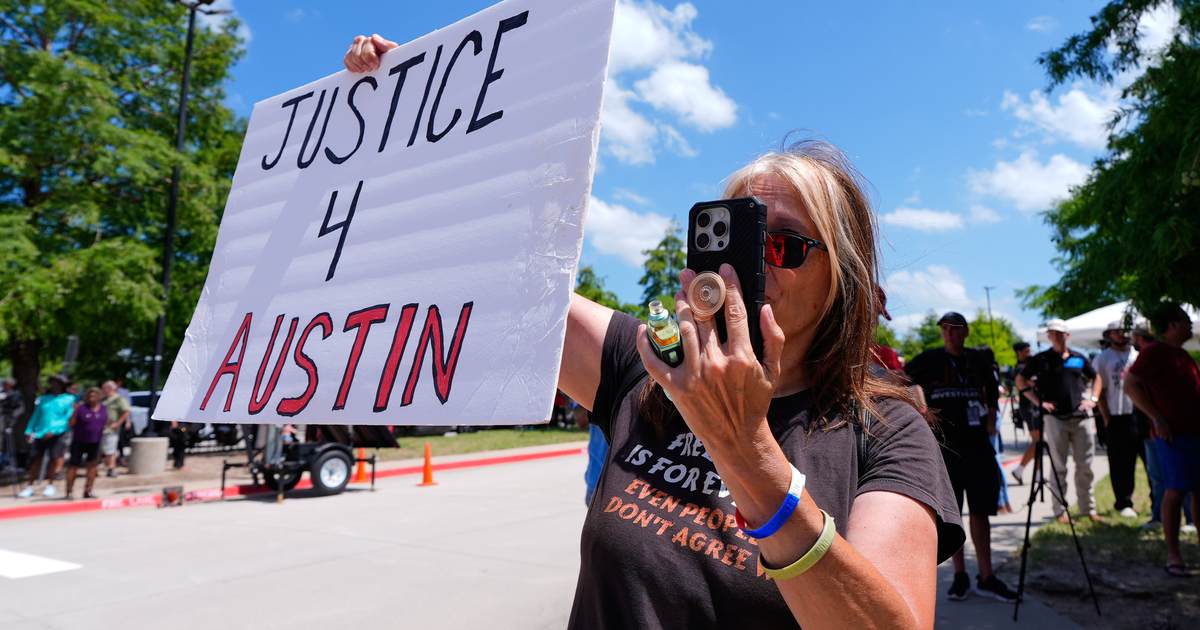
Karmelo Anthony will not get a new murder trial after a judge denied his appeal, and the case has continued to stir debate over the trial, the evidence, and political reactions.
Karmelo Anthony, a Texas teenager convicted of killing high school track athlete Austin Metcalf, asked a court for a new trial and was turned down on appeal. The ruling came after judges reviewed motions, briefs, and the trial record, leaving the original verdict in place. The legal fight and the surrounding headlines have kept the case in the public eye as people argue about fairness and accountability.
The defense centered its bid on claims tied to an unwritten “gentlemen’s agreement” that allegedly kept Anthony from taking the stand in his own defense. Prosecutors contested that claim and maintained the existing trial procedures were lawful and appropriate. A judge weighed those competing arguments and decided the evidence and legal standards did not support reopening the case.
“Upon reviewing the motion, the record, the evidence and argument, the briefs, and the relevant case law, the Court has determined the motion should be denied,” Kaufman County District Judge Michael Chitty, according to ABC News. That is the formal language used to explain why the court would not order another trial, and it reflects the judge’s view of the record and the applicable law.
https://x.com/townhallcom/status/2091281584615759929
The defense’s motion argued that the unwritten agreement amounted to a procedural flaw so serious it undermined Anthony’s right to testify if he chose. Prosecutors rejected that theory, saying no binding agreement existed that prevented Anthony from speaking in court. The judge sided with the prosecution after reviewing transcripts, filings, and arguments from both sides.
During the appeals process, new information surfaced that influenced public opinion and legal scrutiny. Text messages from Anthony on the day of the stabbing were made part of the record and included violent language that prosecutors highlighted. Those messages were invoked by the state to show the defendant’s mindset and to rebut claims that evidence was ambiguous.
One text quoted in the appeals described a desire to “lick [the] blood off the blade” when stabbing someone, a line that undercut defense efforts to cast doubt on motive and intent. That kind of messaging became a focal point for prosecutors arguing the act was intentional and brutal. For many observers, the messages made the facts of the case harder to read as anything but a violent homicide.
The case drew additional attention when Democrat Senate candidate James Talarico accused the trial process of being unfair because the jury reportedly lacked a Black member. That claim turned courtroom proceedings into a political talking point for critics who said the verdict raised questions about representation and justice. Campaign rhetoric amplified the story, and accusations of bias became another layer of controversy around the legal outcome.
Anthony is serving a 35-year prison sentence for the murder and is eligible for parole after 17.5 years. The sentence reflects the jury’s verdict and the statutory range the court applied. For those who want tougher consequences for violent crime, the sentence registers as a significant penalty; for critics focused on procedural fairness, it remains a point of dispute.
From a law-and-order standpoint, the judge’s decision to deny a new trial reinforces the principle that appeals must show concrete legal error or new, compelling evidence to overturn verdicts. Courts are reluctant to reopen jury decisions without clear legal grounds, and that standard is meant to protect stability in the justice system. At the same time, politically motivated critiques will keep pushing the story into public debate.
The family of Austin Metcalf and their supporters have emphasized the need for accountability in violent crimes, while others argue the case raises broader questions about race, jury composition, and the criminal justice process. All of those threads continue to shape how people interpret both the verdict and the judge’s refusal to grant a new trial. The legal record now stands unless a higher court takes a different view on appeal.