Florida will remove roughly 700 Flock license-plate reader cameras from state roads after Governor Ron DeSantis ordered state agencies to end the partnership, citing privacy and misuse concerns while leaving local city and county camera programs untouched.
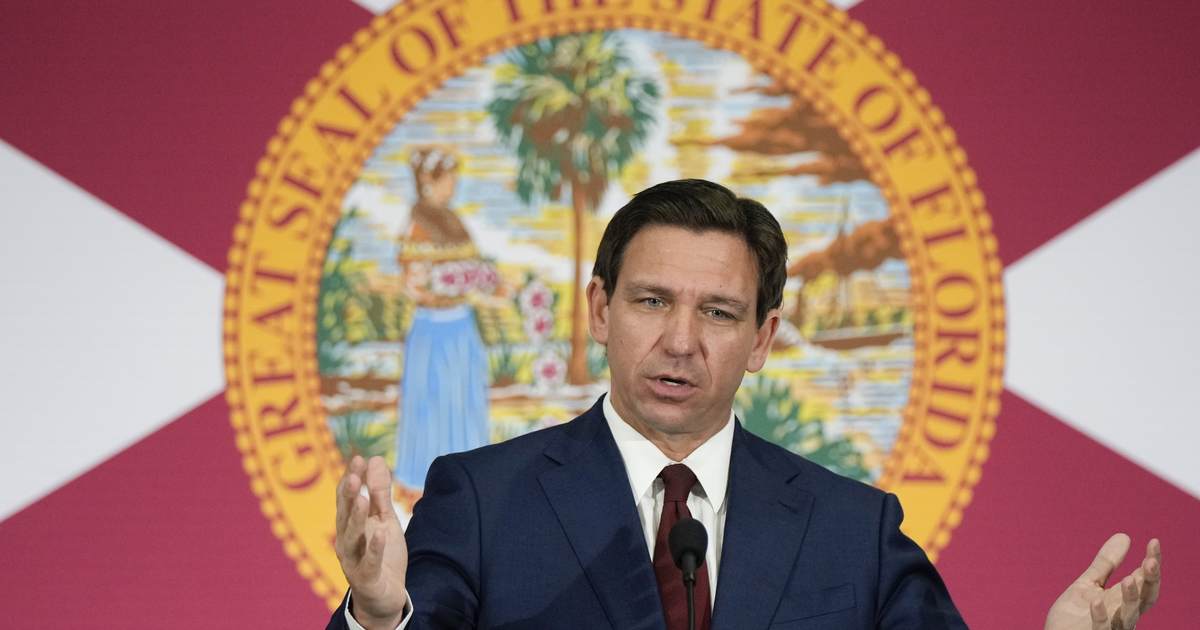
Governor Ron DeSantis announced the decision to end the state’s partnership with Flock, which will result in about 700 cameras coming down from state-managed roads. The move shifts the responsibility for any remaining license-plate readers to local jurisdictions and limits state-level deployment going forward. Supporters say this corrects an overreach and restores basic privacy protections for motorists traveling on public highways.
The administration’s directive tells state agencies to remove all license plate readers from state roads by the end of September, and it explicitly does not force cities or counties to dismantle systems they control. That carve-out leaves room for local officials to decide how to balance public safety and civil liberties in their communities. It also makes clear the state intends to draw a line between statewide surveillance programs and local law enforcement needs.
“Exponential increase in deployments coupled with concerning reports of misuse, data privacy concerns and surveillance schemes,” a letter from the Florida Department of Transportation reads. The language signals a rare, direct rebuke from a state agency about how quickly these systems spread and the risks they pose. Keeping the quotation exactly as released underscores the administration’s public rationale without reinterpreting it.
https://x.com/FLVoiceNews/status/2094492975808057720?ref_src=twsrc%5Etfw
Flock’s technology grabbed headlines after instances of alleged misuse surfaced, including a recent case where a law enforcement officer reportedly used the system to track an ex-romantic partner. Those incidents fed a broader public backlash and made the cameras a political liability, especially among voters wary of unchecked surveillance. For many Floridians, the question became less about law enforcement tools and more about who watches the watchers.
DeSantis is not the only Republican governor taking action; officials in other states have moved to limit or roll back Flock programs, and Texas Governor Greg Abbott recently ordered a halt to state funding for similar deployments. That clustering of conservative resistance reflects a larger GOP concern about government overreach and individual privacy, even when tools promise crime-fighting benefits. The politics are straightforward: protect citizens from invasive tech while reserving appropriate tools for lawful, transparent policing.
Removing 700 cameras statewide will take planning, contracts, and coordination with local law enforcement and vendors, but supporters argue that it’s a manageable administrative step with important civil-liberty payoffs. Agencies will need to inventory where systems are installed and ensure any data retention or transfer complies with state rules during the transition. Meanwhile, law enforcement leaders who relied on the network will press for alternatives that respect privacy, such as more targeted warrants and clearer oversight.
Moving forward, the debate will focus on oversight, data retention policies, and clear limits on who can access plate-reader feeds and for what purposes. Republicans backing the move want a simple outcome: smart policing that respects privacy and prevents abuse, not a sprawling surveillance apparatus that keeps records on ordinary travel. Leaving local jurisdictions free to act preserves discretion but also puts the onus on communities to adopt sensible safeguards and transparent rules.