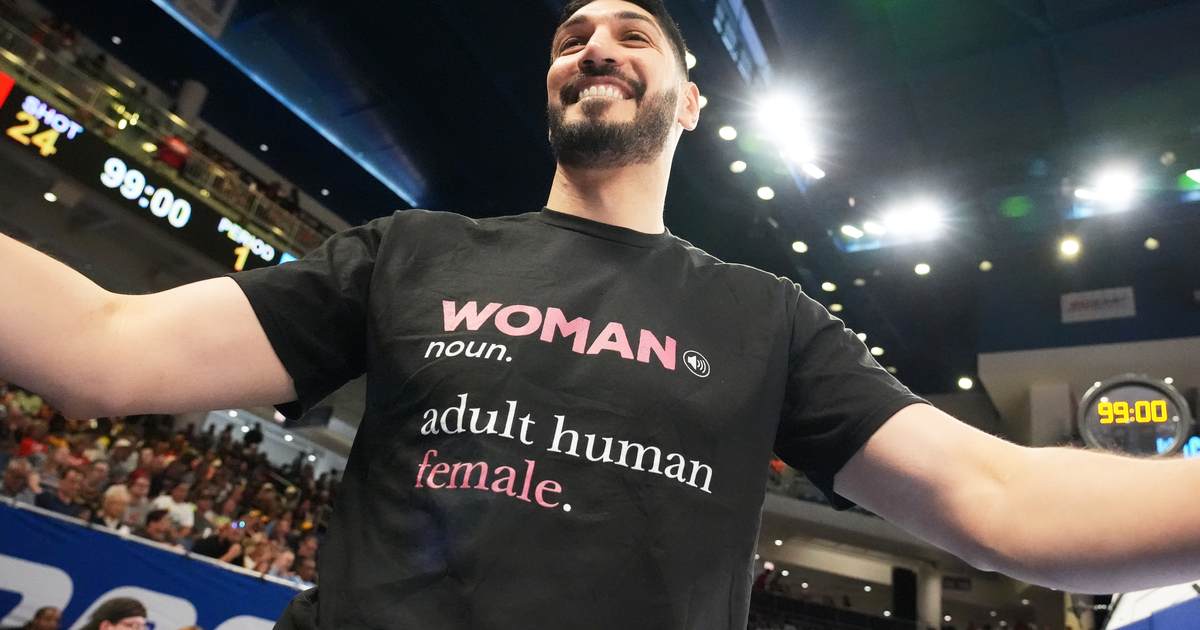
Charlamagne tha God sharply criticized Enes Kanter Freedom for staging protests that, he argued, do more harm than good to women’s basketball, while the controversy around transgender participation in sports and player safety keeps generating headlines and heated public statements.
Radio personality Charlamagne tha God publicly condemned former NBA center Enes Kanter Freedom over a series of actions aimed at the WNBA and its players. He made clear he agrees that biological males should not compete against biological females in women’s sports, but said his issue with Kanter Freedom is the way the former pro is handling the debate.
On air, Charlamagne explained he awarded Kanter Freedom his “Donkey of the Day” not for the stance itself but for what he called disruptive behavior. He said the protests and stunts are doing more to overshadow and unsettle women athletes than to protect them, framing the protests as counterproductive.
“I’m not giving Enes Kanter Freedom donkey today because he believes biological males shouldn’t compete against biological females in women’s sports,” he said. “I agree with him on that, okay? That’s not even a debate for me.”
Charlamagne accused some political actors of using the topic as a distraction ahead of elections, arguing the controversy becomes a vehicle for partisan gain rather than a sincere effort to find workable policy. He implied that convenient culture-war fights often replace substantive arguments about law, safety, and fair competition.
And I just think it’s pointless to argue when you know it’s only being used as a distraction because the midterms are right around the corner and Republicans can’t win on policy. So they would rather drag people into another stupid culture war to debate so they can claim to be the party of common sense and Dems the party of people who don’t know if men can have babies or not.
He went further in criticizing Kanter Freedom’s method, saying the former center’s presence at games and his theatrics actually threatened the sense of safety around players. Charlamagne suggested the protests look more like trolling than a protective measure, and that intention and effect both matter when someone claims to defend women’s sports.
Okay, you, Enes, have become what you claim to hate because I haven’t seen anyone threaten women’s basketball more than you. Okay, do you think those women felt safe with your big 6’10” ass out there trolling them and then had the nerve to stand up and act like you was about to step to one of them? Make that make sense to me.
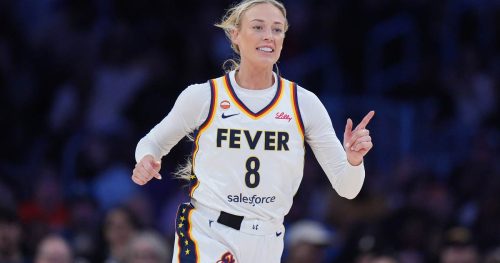
That criticism landed amid a larger dispute sparked by remarks from Indiana Fever guard Sophie Cunningham about protecting young girls in locker rooms and on the court. Cunningham said she received harsh backlash for her comments and pushed back against being labeled transphobic while insisting she supports both love and honesty.
“I got a lot of negative feedback about me hating trans. And I’m like, ‘I never once said that,'” She said. “I think that I am here to extend love. But I also think with that love is truth, being honest. And I want to protect young girls in a locker room, or young girls in sport who shouldn’t have to go against biological men.”
Following the backlash to Cunningham, Kanter Freedom announced he would declare himself eligible for the WNBA draft, framing his move as a protest to the league’s handling of the debate. He asserted in a letter that a simple declaration of identity should be sufficient for eligibility, directly challenging existing policies and norms.
https://x.com/CollinRugg/status/2091958326057996570
“If simply declaring who you are is all that’s required, then I meet every single requirement necessary to compete in the WNBA,” he wrote in a letter to the WNBA. That public posture intensified conflict between advocates for strict eligibility rules and those arguing for inclusion based on identity.
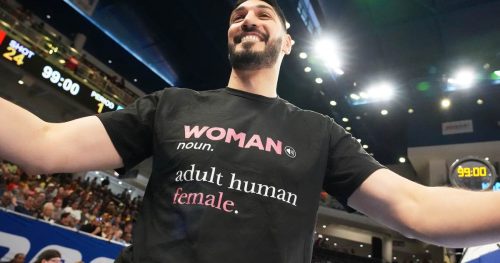
Earlier episodes included Kanter Freedom wearing a T-shirt courtside with a clear message: “WOMAN noun. Adult human female.” That action led to a confrontation with a player, and security removed him from the event, which he then turned into a social media post about being kicked out for supporting women.
“I just got kicked out of a WNBA game for supporting WOMEN! Let that sink in, AMERICA!” he posted on social media. The incident fed into a broader narrative about performative gestures at games and whether they help or harm the league and its athletes.
So people like Ennis protesting a hypothetical. There are no biological males playing in the WNBA that we know of, okay? There are no biological males trying to play in the WNBA except for you. So therefore, Ennis, you are actually the problem, but what you’re protesting is a hypothetical. Ennis, you have called 911 screaming about a 5-alarm fire that isn’t happening, okay?
The back-and-forth has left players, commentators, and fans debating the best practical path forward: protect fairness in women’s sports while avoiding theatrics that make athletes feel targeted. For many observers, the challenge is finding rules and processes that balance competitive integrity, safety, and respect for competing views.
Whatever one’s stance, the episode highlights how sharp, public grievances and headline-grabbing protests can shift attention away from detailed policy discussions. The result is an ongoing culture clash played out in courtside seats, radio studios, and social feeds, with athletes often caught in the middle of the noise.