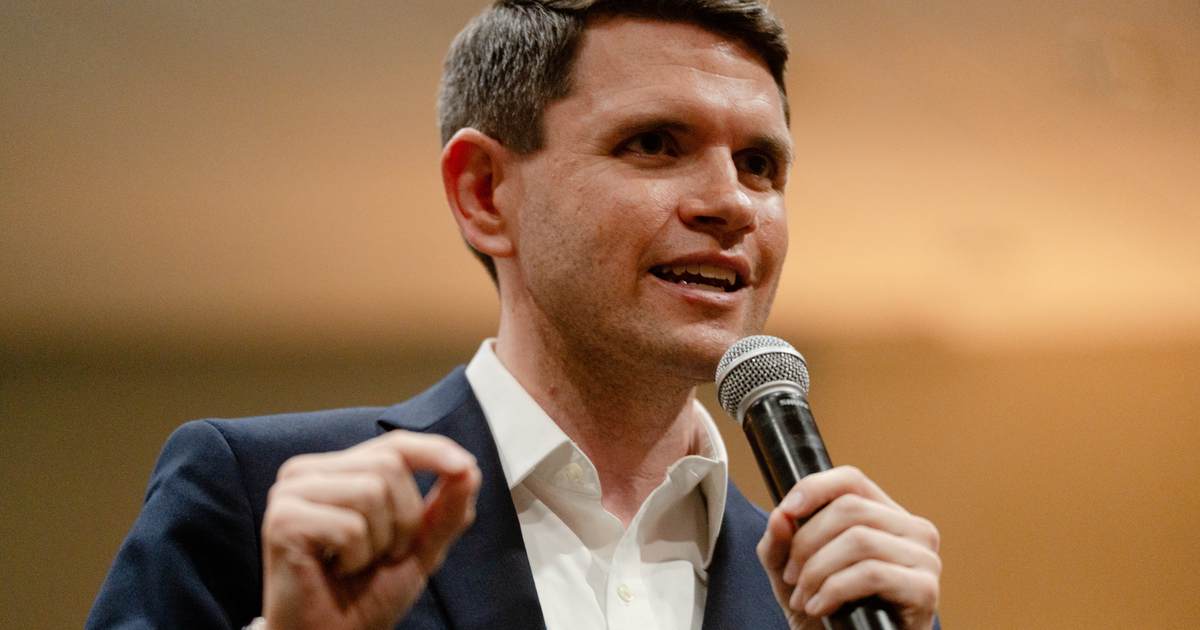
The Federal Election Commission flagged 143 donors to the James Talarico campaign for exceeding contribution limits, triggering regulatory letters, refunds, and renewed attention to Democratic fundraising practices amid growing Republican financial momentum.
The FEC’s review found 143 contributors gave more than federal law allows to the James Talarico campaign this quarter, creating a regulatory headache for the campaign. Those overages aren’t minor bookkeeping errors — they add up to serious excesses that federal rules are designed to prevent. For a campaign that wants to present itself as law-abiding, this is a conspicuous stumble that donors and voters will notice.
A new report from NOTUS says the campaign has accumulated more than $1 million in overcontributions, and regulators have been sending letters each quarter to warn about illegal donations. The Talarico team has started issuing refunds to those who crossed the line, but refunds are only part of the fix. Repeated notices from the FEC suggest the campaign accepted banned funds more than once, indicating problems in compliance systems or intentional laxity.
One example dragging extra scrutiny onto the race: Colorado Governor Jared Polis reportedly made two contributions totaling $4,500, exceeding the current individual cap of $3,500. That kind of high-profile misstep invites headlines and raises questions about who was monitoring checks on donations. When prominent Democrats breach the limit, it fuels the narrative that one set of rules applies to their circle and another to everyone else.
NOTUS also reports that donors receiving refunds are being asked to redirect those funds to the Democratic National Committee, a party apparatus that is in visible financial distress. Public reporting shows the DNC has burned through more than $200 million since 2025 and is carrying heavy debt as the midterms near. The party even turned to mortgaging its headquarters for $15 million, a move that signals serious cash flow problems at a critical political moment.
>
Republicans, by contrast, are enjoying a fundraising advantage and repeated record-setting cycles that leave them well positioned for the fall. President Donald Trump has announced plans to move resources from his personal PAC into competitive House and Senate races, signaling targeted support for winnable seats. That first tranche is expected to be about $30 million, money that can change the map in tight contests if spent strategically.
Among the likely beneficiaries of those shifts is the Texas Senate race, where Ken Paxton will be pitted against James Talarico in November. The matchup is already taking shape as a classic contrast between Republican financial strength and Democratic fundraising chaos. With national cash flowing and local controversies dogging the Talarico effort, the contest could become a test of whether voters reward fiscal discipline or excuse repeated compliance failures.
Beyond the headlines, this episode underscores a practical point: campaigns need robust compliance operations or they risk legal exposure and political damage. Federal contribution limits exist to curb undue influence and maintain transparency, and when campaigns routinely accept excess funds it undermines public trust. For voters and donors who care about clean elections, the optics of a million dollars in illegal contributions are hard to ignore.
Editor’s Note: Do you enjoy Townhall’s conservative reporting exposing the radical left and woke media? Support our work so we can keep bringing you the truth.
Join Townhall VIP and use promo code FIGHT to receive 60% off your membership.