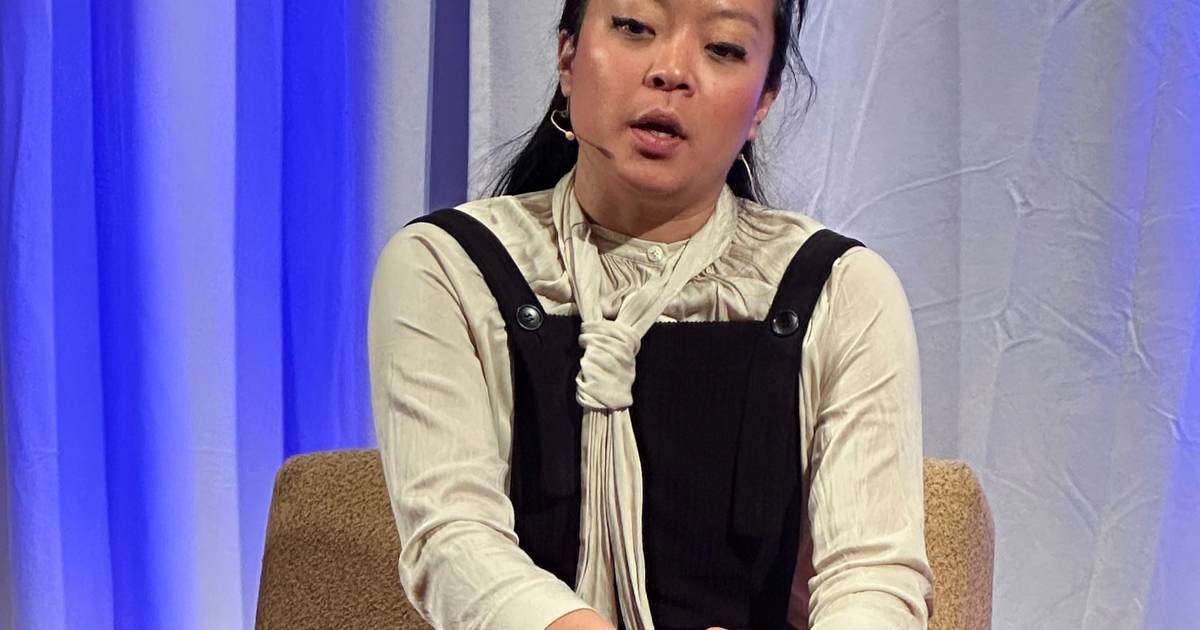
Francesca Hong’s campaign is facing fresh scrutiny after social media posts from her chief of staff suggested a deep discomfort with white Americans, adding to already controversial comments attributed to Hong herself.
Francesca Hong, the Democrat primary frontrunner in the Wisconsin governor’s race, has drawn criticism for comments that many see as dismissive of white voters. Reports say she told her son the Culver’s was out of frozen custard so she could leave a table of elderly white customers, a line that didn’t play well with swing voters. That episode helped frame a larger story about identity and who the campaign appears to prioritize.
Hong reportedly lamented her “proximity to whiteness” because her son’s father is white, a phrase that immediately became a headline. That phrasing feeds into a narrative the GOP will use: an elite progressive candidate who views voters through a racial lens. Now attention has turned to Hong’s senior staff for similar rhetoric.
Her chief of staff, Nada Elmikashfi, has posts that suggest a deep personal pain tied to arriving in the U.S. right after 9/11 and a persistent fear of being seen as un-American. After her account was scrutinized she locked it, leaving only screenshots to tell the rest of the story. Those screenshots are what campaigns and commentators are parsing now.
https://x.com/FrancescaHongWI/status/1146100682589691905?ref_src=twsrc%5Etfw
“While I wasn’t in America until 2002, the weight of that tragedy & its society consequences I carry with me to this day. Whether it’s PTSD from continual Islamophobic violence, to constant anxiety that I am perceived as unamerican—I will always be a memory of a terrorist attack,” she wrote. The passage reads as a raw, personal account of trauma, and it explains why Elmikashfi feels deeply wounded by certain experiences in America.
But trauma and public office don’t mix the same way they do personal healing, and Elmikashfi’s other comments crossed into political prescription. She wrote that white people should find BIPOC contenders and support them instead of running themselves. “If you are white and considering running for office, find a BIPOC person in your community who is also interested and support them instead,” Elmikashfi wrote. “That is intersectionality and that is co-conspiration.”
That kind of explicit instruction about who should compete for office is what makes voters uneasy, because it suggests exclusion rather than inclusion. It’s one thing to push for better representation; it’s another to tell whole groups they should stand down. In a general election, that kind of messaging hands Republican campaigns easy contrast lines about fairness and equal opportunity.
Critics on social platforms were quick to respond, accusing Elmikashfi of trading on identity and bitterness. “Your family were granted visas from Sudan, granted citizenship, you were able to run for office, but not once have I seen you say you’re proud to be an American. But you’re proud to divide Americans even further,” the user wrote. “Using race, gender, and religion” as selling points for you and your friends like Francesca Hong to have political power is disgusting. You are a bitter person who trades hatred for campaign dollars.”
Republican strategists see a clear playbook here: highlight these posts, tie them to the candidate, and frame the opposition as intolerant of mainstream voters. That approach has worked before in swing states where cultural grievances matter at the ballot box. It’s a simple message that contrasts traditional patriotic appeals with a progressive focus on identity.
For independent voters, the optics are damaging. Many people who aren’t political junkies react strongly to perceived elitism or contempt for ordinary Americans. Candidates who come off as dismissive of broad swaths of the electorate risk losing the very moderates both parties crave on election day.
There’s also a practical staffing question: if a chief of staff openly discourages a demographic from running for office, what does that say about the administration she would help run? Voters have a right to ask whether that perspective would translate into governance decisions that favor identity over merit. Campaigns should be prepared to answer how they balance personal history with inclusive leadership.
None of this erases Elmikashfi’s personal history or Hong’s policy positions, but politics is about persuasion and trust. Expect these posts to surface in debates, ads, and town halls, as opponents press the case that a candidate’s team reflects their priorities. Voters will decide whether identity politics or broad-based appeal better represents their interests come November.