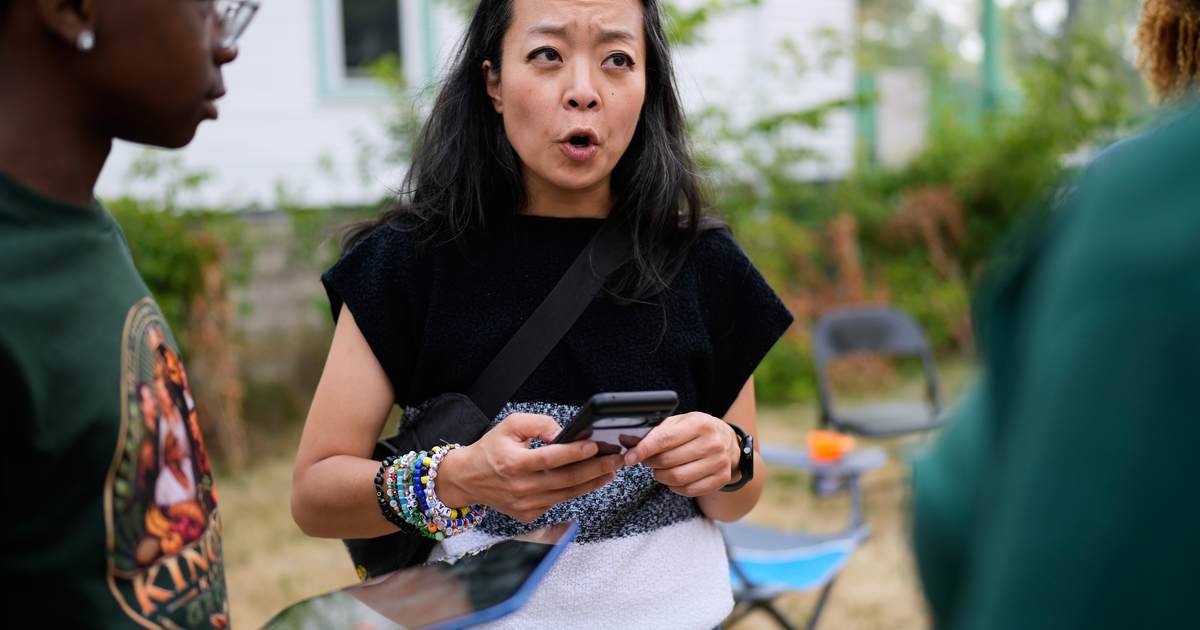
Francesca Hong publicly called for canceling Thanksgiving during the pandemic, later told a national interviewer she loves the holiday, and has repeatedly shifted her messaging in ways that raise questions about authenticity and electability.
Francesca Hong’s statements about Thanksgiving have been all over the place, and voters deserve straightforward answers. During COVID she suggested abandoning the holiday, writing, “Cancel Thanksgiving,” she wrote. “Should have done this in 1621. If it takes a worldwide pandemic for us to realize we should stop celebrating colonialism and the original superspreader event that killed indegenous [sic] folx and women so be it.”
That line landed hard with many people who see Thanksgiving as a family tradition rather than a political statement. In the days after, Hong faced questions about whether she truly wanted to wipe out the holiday or was simply making a provocative point. When asked directly on air, her answer shifted again, leaving viewers and voters confused about what she actually believes.
She told a CNN interviewer, “I’m a chef … but Thanksgiving is also a time that is incredibly painful for many people in our communities, so I think there I wanted to make sure that people understood that there are multiple views.” That phrasing sounds careful and academic, but it doesn’t undo a clear call to cancel a holiday. Saying a holiday is painful is one thing; advising its abolition is another, and voters notice the difference.
Now Hong says Thanksgiving is her favorite holiday, a pivot that explains nothing about why she once celebrated its cancellation. She declared, “My favorite holiday is Thanksgiving,” she said. “Yep. I don’t want to cancel it. I actually love it.”
The flip from “Cancel Thanksgiving” to “I actually love it” looks less like growth and more like political damage control. She tried to soften her image with, “I’m going to be real. “I’m kind of a curmudgeon when it comes to holidays in general,” Hong continued. That line is small comfort when prior posts celebrated a pandemic as the perfect moment to stop honoring a major American tradition.
Her pattern of changing answers extends beyond one holiday and fits a broader campaign problem: mixed messages and little accountability. “So, right now, what we want to get serious about is making sure that we deliver a Democratic trifecta for the majority, for Democrats,” Hong said. “And it’s exciting to see more and more people join our movement, get engaged, get organized and get to work to make sure we have Democrats in the majority in the legislature and executive this year.”
https://x.com/politico/status/2085067906262438095
That campaign language is standard, but it doesn’t explain the contradictions on cultural issues that matter to swing voters. Constituents who value consistency on sensitive topics notice sudden shifts and wonder which statements reflect conviction and which reflect calculation. For many independent and moderate voters, authenticity matters as much as policy specifics.
Repeated changes on a topic like Thanksgiving suggest messaging over substance, and that breeds distrust. This is not the first time Hong has adjusted her public stance on the holiday, and it likely won’t be the last unless she starts answering straightforwardly and without the spin. Voters should expect clear, consistent positions from those seeking leadership.
There has also been almost no genuine follow-up or sustained explanation from her campaign to reconcile the difference between celebrating cancellation and calling the same holiday a favorite. That absence of accountability only amplifies concerns about whether she is being candid with the electorate.
Short-term pivots and mixed messaging are political risks, especially in a state with many voters who hold traditional holiday practices dear. If a candidate cannot explain a clear line between past social-media rhetoric and current claims, voters are right to question what else might be masked behind shifting statements.
At the same time, campaign authenticity is about more than one holiday; it’s about telling the truth on policy and values so voters can make informed choices. There is nothing authentic about a campaign that erases or rewrites past declarations when they become politically inconvenient. Don’t fall for it.
Editor’s Note: The 2026 Midterms will determine the fate of President Trump’s America First agenda. Republicans must maintain control of both chambers of Congress.