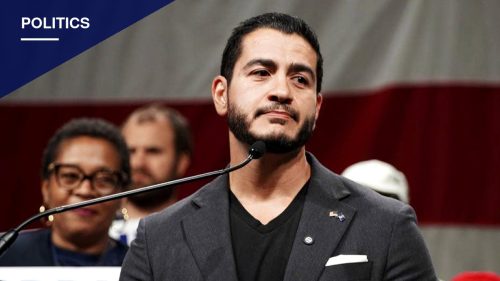
Francesca Hong’s tax blueprint would push Wisconsin into one of the highest state tax brackets, risk driving away wealthy earners, and could hollow out the revenue base that supports schools and infrastructure.
Hong’s plan promises expansive state programs paid for by steep income tax increases that would place Wisconsin well above many competitors. The numbers she’s floated would make Wisconsin’s top rates higher than California’s and far above neighboring low-tax states. That shift would change incentives for residents and businesses that weigh where to live and invest.
Her proposal includes a series of new surtaxes aimed at high earners and corporations, producing headline rates that sound dramatic on paper. Proponents sell it as funding for things like child care, state-run stores and expanded health subsidies. Opponents warn those surtaxes will leave the state less attractive to the very people who contribute a disproportionate share of tax revenue.
The state’s recent history shows how delicate this balance is: a previous attempt to raise rates modestly from 7.65 to 9.8 percent was blocked by a Republican legislature for good reason. Lawmakers worried that higher rates would weaken Wisconsin’s competitiveness against nearby states with single-digit rates. That restraint reflects a basic understanding of tax policy and migration incentives.
The Washington Post raised the alarm that wealthy residents could up and leave if such a heavy-handed plan takes hold, and the concern is not hypothetical. People with high incomes and mobile assets often weigh tax burdens heavily when choosing states, and a radical rate spike would change those calculations overnight. Losing top earners would shrink the pool of taxpayers who currently fund a large share of public services.
To fund “free” child care, state-run grocery stores and more health care subsidies — among other social spending — the 37-year-old state legislator plans to raise state income taxes a full percentage point on couples making at least $431,000 and individuals making more than $323,000. She would levy another 1 percent on “millionaires and large corporations,” bringing their top state tax rate to almost 9 percent.
https://x.com/JamesBohnWI/status/2086787164101030141?ref_src=twsrc%5Etfw
This might sound fine to a taxpayer who doesn’t make a million dollars, but Wisconsin — like every other state — relies on wealthy taxpayers to support state infrastructure, public schools and social programs. The top 5 percent of earners pay about 40 percent of the state’s net income taxes.
posed a fair question: “What if all the millionaires leave the state?”
Hong responded: “You know, uh, discussing that hypothetical is, um, a little bit, uh — I’m confused about that.” She went on to say that millionaires would be able to “live, work and thrive” because of her other policies.
The response from Hong at the debate came across as uncertain, and that uncertainty matters to people who make decisions about where to base their homes and businesses. If top earners doubt a state’s fiscal outlook, they act quickly to protect assets and future earnings. Confidence in stable, predictable tax policy is a real factor in regional migration patterns.
Hong frames her campaign around affordability, but her plan would rely on extracting more taxable income from households at many levels, not only the very wealthy. Calling increased levies “affordability” while expanding state programs is a contradiction most voters will spot. Expanded government spending paid for by higher taxes rarely delivers the tidy tradeoffs its champions promise.
History shows migration is responsive to tax policy: when nearby states raised rates, people moved into Wisconsin to avoid higher burdens elsewhere, and the reverse is equally plausible. A sudden turn toward top-heavy taxation would invite the opposite flow, especially given easy access to lower-tax alternatives like Indiana, Iowa, and states with no income tax at all.
Geography makes fleeing simple: short drives to neighboring low-tax states and year-round warmth in places like Florida give mobile taxpayers options. Wisconsin lists seven billionaires among its residents, and those individuals have means and alternatives that make relocation realistic if policy becomes hostile. If those top contributors leave, the fiscal strain will fall on remaining taxpayers and public services.
Policymakers should weigh long-term growth against short-term political satisfaction when designing tax systems. Raising rates to near the top nationally risks slowing investment, eroding the tax base, and making tough tradeoffs for schools and roads in the years that follow. Voters deserve clarity about those tradeoffs before any plan becomes law.