The latest Consumer Price Index shows July inflation rose 0.1 percent from June and stands at 3.4 percent year-over-year, with mixed signals across food, energy, and shelter that the White House says reflect policy gains and remaining risks from global events.
The Consumer Price Index for July reported a modest 0.1 percent monthly increase and a 3.4 percent rise compared with a year ago, according to the new federal numbers released on Wednesday. That monthly change is among the smallest so far in 2026 and follows a notable 0.4 percent drop in June, which surprised many watchers. The figures suggest inflation pressure is easing but not vanishing.
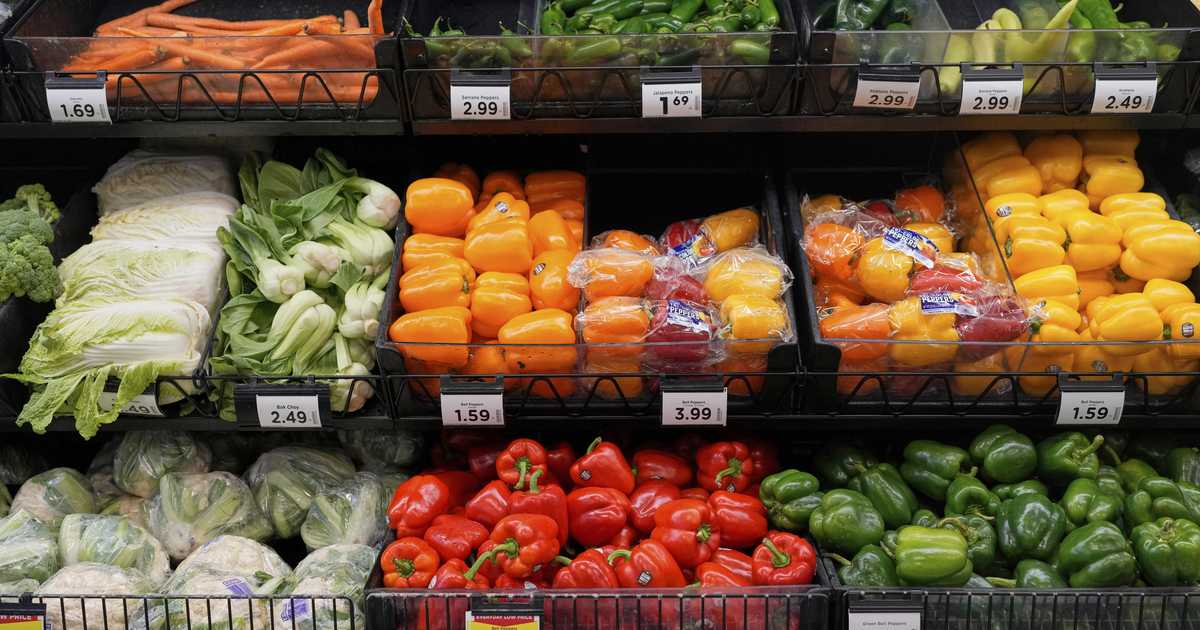
Food costs ticked up 0.1 percent in July and are up about 3 percent compared with last July, showing steady but contained increases for household groceries. Energy has been more volatile, driven in part by geopolitical tensions, and remains a key swing factor for overall inflation. Those swings keep the broader outlook uncertain even as core measures show calmer readings.
Energy fell 1.5 percent in July after a 5.7 percent decline in June, though energy prices are still up 14.7 percent year-over-year. Gasoline and fuel movements dominate headlines because they hit consumers directly at the pump and ripple through transportation costs. That sensitivity makes short-term risks, like disruptions tied to international conflicts, especially relevant.
Heather Long, Chief Economist at Navy Federal Credit Union, posted to X that the “Inflation eased a bit in July.” “CPI inflation cooled slightly in July to 3.4% (down from 3.5% in June and 4.2% in May). But beware: Rising gas prices due to the war in Iran remain a key risk,” Long wrote. “The monthly gain was +0.1%. Energy costs, restaurant costs and medical commodities were all down slightly according to the gov’t calculations. Shelter/rent prices also continue to moderate.”
Gasoline prices slipped 2.9 percent in July after a near 10 percent cut the month prior, offering some relief at the pump for many drivers. Fuel oil has been more erratic — it rose roughly 39 percent since last July, then fell again 2.9 percent in July following a 9.7 percent drop in June. Those moves reflect both seasonal patterns and shocks tied to global supply and demand.
White House spokesman Kush Desai put the administration’s spin plainly: “The July CPI report is further proof that President Trump’s long-term agenda is delivering: prescription drug and auto insurance costs continue to fall, real wages are rising, and beef prices have cooled while other household essentials like eggs, poultry, and dairy remain low,” Desai said in a statement on Wednesday. He added, “Despite temporary disruptions stemming from Iran, core CPI is near the Fed’s two-percent target rate. As the Trump administration’s economic policies continue taking effect, Americans can count on more job, wage, and economic growth.”
Shelter costs barely budged in July, rising just 0.1 percent month-over-month and about 3.2 percent since last year, keeping pressure on renters and homeowners relatively steady. Transportation and medical care services also hovered below a 3 percent year-over-year increase, indicating moderation in several service categories. Those slower gains in core services are the kind of progress that Republicans point to when arguing policy changes are working.
“The meats, poultry, fish, and eggs index decreased 0.7 percent over the month as the pork index declined 1.5 percent. The index for fruits and vegetables decreased 0.1 percent in July,” the report noted, adding that “dairy and related products” ticked down by 0.1 percent. Those category moves helped keep the overall food index from jumping more sharply, and some individual staples even fell in price.
https://x.com/byHeatherLong/status/2087518511761404134
The report also highlighted a 16.4 percent drop in lettuce prices, a sharp decline tied to a public-health scare and reduced demand after a Cyclospora outbreak made consumers wary. Such swings show how short-term supply issues and safety concerns can create big percentage moves in specific items even while the broader index stays tame. Consumers feel those item-level shocks directly at the grocery store.
These July numbers arrive against the backdrop of the post-pandemic surge in inflation that peaked at 9.1 percent year-over-year in June 2022. The new data are framed by the White House as evidence of a return to stability under current policies, while skeptics note that energy risks and episodic food shocks mean vigilance is still required. For now, the readings give mixed but cautiously positive signals on the path back to normal inflation levels.