President Trump has paused planned strikes and moved toward negotiations with Iran while Tehran insists the Strait of Hormuz will not simply reopen under previous conditions, demanding control and a new shipping framework even as Oman tries to broker a deal.
President Trump has shifted strategy after a period of airstrikes, pausing a direct military response and signaling a return to talks. That move aims to avoid further bloodshed but relies on leverage the administration must protect. The situation remains tense because Iran is pushing for terms that would change control over the Strait of Hormuz rather than restore pre-conflict norms.
Oman has stepped in to mediate and officials say negotiations are nearing completion on a new arrangement for maritime movement. The proposed framework seeks to create a distinct route intended to secure shipping while reflecting the interests of coastal states. For the U.S. and its allies, any agreement must preserve freedom of navigation and prevent Tehran from converting a vital chokepoint into a tool for coercion.
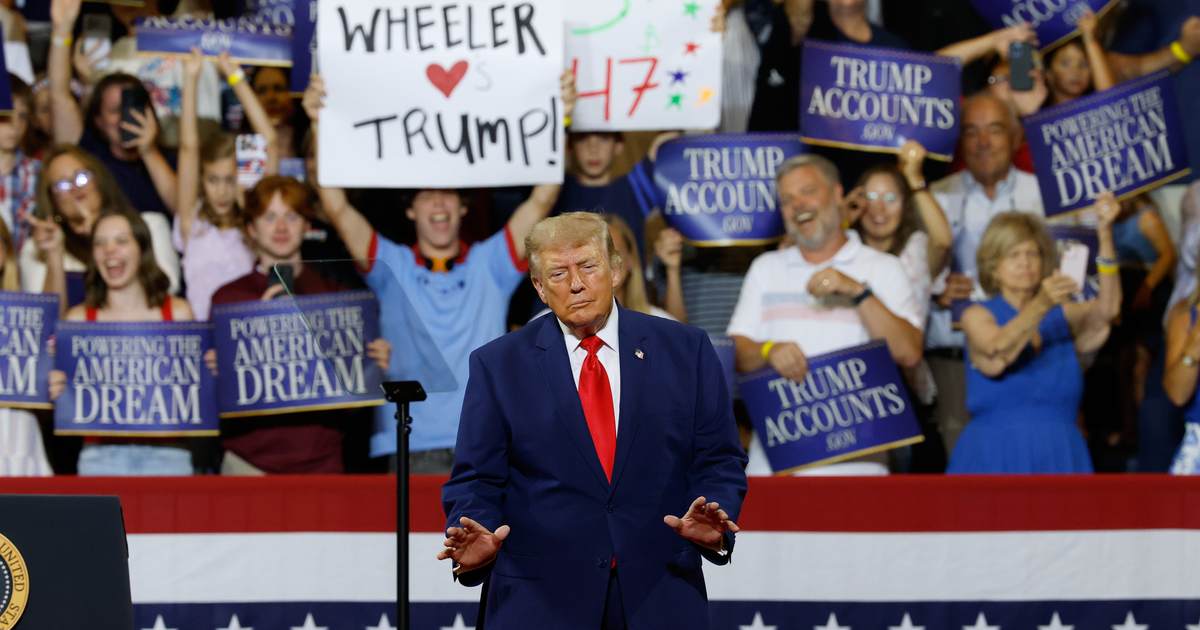
U.S. President Donald Trump said negotiations with Iran would resume Monday, after scrapping a planned military strike over the weekend. Speaking on Sunday, the American leader also refused to set a deadline for reaching a broader deal with Tehran.
“They knew the extent of the attack because they saw it forming. Now what we’re doing is we’re talking to them in the form of a negotiation. It begins tomorrow afternoon, and we’ll see,” said Trump, talking to reporters aboard Air Force One.
Asked whether he had imposed a deadline, the U.S. president responded: “Would I rather make a deal? I’m not looking to kill people because people die, a lot of people die, and we don’t want that.”
Iran’s foreign ministry has described the Oman talks as focusing on a route that is neither the northern corridor nor the southern one, insisting any arrangement must “respect the sovereign rights of both sides and safeguards our national interests and security.” That language is a clear sign Tehran intends to lock in influence rather than simply reduce tensions. American officials and regional partners should treat such distinctions as red flags, not as signs of good faith.
Foreign Ministry spokesman Esmaeil Baghaei has been explicit that the deal “does not mean the reopening of the strait” and that “Under no circumstances will the Strait of Hormuz return to the situation before the war.” Those words expose a deliberate strategy: Iran wants to reshape maritime rules around its preferred balance of power. Accepting a framework that cedes effective control would set a dangerous precedent for future coercion.
https://x.com/IranIntl_En/status/2083934086830206984
Baghaei also insists Iran is not in direct talks with the United States and frames the U.S. airstrikes as “a war against the entire region and against the security of all countries in the region,” vowing the Strait’s status will remain unchanged while attacks continue. That stance ties Iran’s willingness to alter posture directly to American military activity. From a Republican perspective, negotiations without credible deterrence risk rewarding aggression and emboldening Tehran to press further demands.
The Strait of Hormuz remains a strategic chokepoint for global energy shipments and any disruption pushes energy prices higher. Markets have already reacted to renewed conflict, and the stakes are tangible for allies and American consumers. A negotiation that fails to guarantee unimpeded access would leave commercial traffic vulnerable to political manipulation and economic shocks.
Policymakers face a narrow path: pursue diplomacy but maintain robust deterrence and a clear set of nonnegotiable principles. That means insisting on freedom of navigation, verifiable limits on Iran’s ability to project power in the Gulf, and safeguards that prevent any single state from weaponizing the strait. Diplomacy that lacks these guardrails risks turning a temporary ceasefire into a permanent strategic loss.
For Republicans, the core question is simple: can talks be paired with strength so negotiations yield real, enforceable changes rather than a cosmetic settlement that leaves Iran’s leverage intact? The White House’s decision to pause strikes and open talks buys time, but time alone is not leverage. If the goal is to secure regional stability and protect American interests, negotiators must tie any concessions to verifiable steps that reverse Iran’s capacity to threaten commerce and neighbors.