This article examines disputes over neighborhood “little free libraries” and broader censorship trends, documenting instances where private individuals and major companies have removed or blocked conservative and religious titles and tracing how those actions fit a pattern of selective suppression.
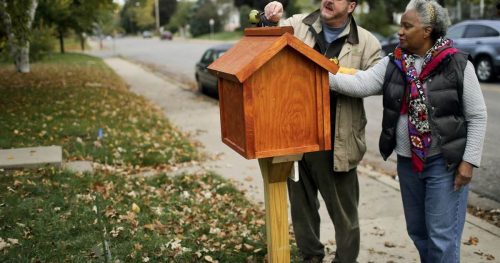
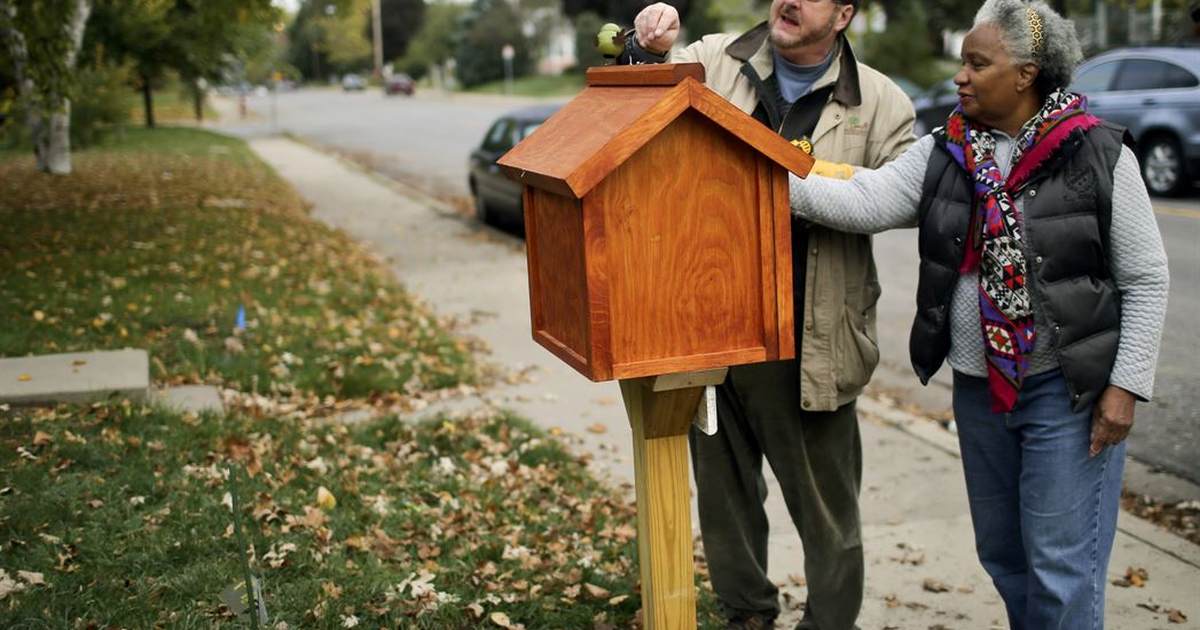
Walk through any suburb and you’ll probably spot a small free library: a simple box on a post stocked with donated books and an open invitation to swap titles. The idea is charming and practical, a grassroots way to share reading without a formal system. People clear space on their shelves, neighbors discover new authors, and books circulate without gatekeepers.
Then someone decides to police the shelves. In multiple reports, a woman described as left-leaning has removed “right-wing and religious books” from these little libraries and replaced them with her own picks, turning a neighborhood sharing spot into a one-sided display. That kind of selective removal raises basic questions about fairness and free exchange of ideas in public-facing spaces.
The reaction from some on the other side is predictable: every time conservatives point out instances of ideological filtering, activists shout that Republicans are banning books in school libraries. I’ve sat through the chorus, ad nauseam, about supposed book bans while seeing private and corporate actors quietly limit which viewpoints circulate. When a parent objects to a school library carrying explicit sexual content aimed at young readers, the left frames it as an existential threat—“Bücherverbrennung.” In practice, parents can still buy controversial books online if they want to, so the outrage often feels performative.
https://x.com/libsoftiktok/status/2091934921350615090
There’s also a pattern among big companies and publishers that should worry everyone who cares about open markets for ideas. Publisher Simon & Schuster publicly cut a title by Senator Josh Hawley after January 6 and explained the decision like this: “As a publisher it will always be our mission to amplify a variety of voices and viewpoints: at the same time we take