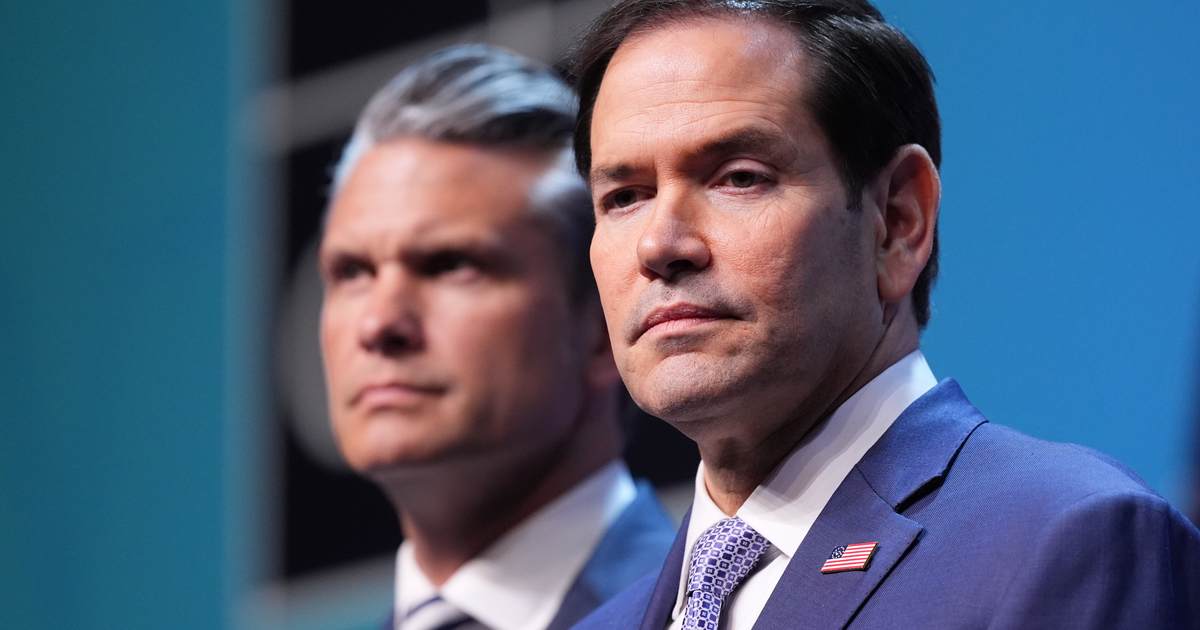
Marco Rubio, in a wide-ranging chat about diet and the MAHA movement, defended practical moderation and amusingly crowned the Pop-Tart as a standout American invention, sparking a back-and-forth that included his wife Jeanette and a frank take on Robert F. Kennedy Jr.’s sauerkraut-heavy regimen.
The Secretary of State sat down with a conservative host to talk food, public health trends, and personal habits, and the exchange landed on an unexpectedly light note about packaged pastries. The conversation touched on the Make America Healthy Again movement and its push toward whole foods, but it quickly veered into the realm of cultural icons and good-natured personal confession. Rubio framed his remarks in a way that mixed skepticism of extreme dieting with a clear Republican preference for freedom of choice on lifestyle matters.
“Have you adopted RFK’s diet of red meat and fermented vegetables?” Katie Miller asked. Rubio answered with skepticism about extreme regimens and practical concerns about travel logistics, arguing that some diets are simply not sustainable for most people. He used the image of lugging coolers of sauerkraut around the globe to make the point that policy and personal habit are different things when it comes to public servants who travel a lot.
“No, this is a crazy diet,” the Secretary of State said. “This is a diet that consists of eating sauerkraut and meat. Now, you understand, this is not a sustainable thing. You can’t just walk into a—Well, he sustains it because he does it. Can you imagine? He has to travel with coolers of sauerkraut. But he does. I’m not going to travel the world with a cooler full of sauerkraut. It’s ridiculous. I can’t do it. It’s not sustainable.” He emphasized personal responsibility over dogma, suggesting people should make sensible choices without being forced into extremes.
https://x.com/EricLDaugh/status/2087316404005405124
“Are you MAHA?” Miller asked, and Rubio quickly made a distinction between supporting healthier habits and signing onto a one-size-fits-all program. “I’m in favor of MAHA,” Rubio said. “I think people should be healthier.” That position mirrors a Republican view that encourages better health while defending individual liberty and resisting top-down mandates about how Americans must eat.
“He’s not,” Rubio’s wife, Jeanette Rubio, chimed in. “He is completely not.” Their back-and-forth had a playful tone, and Rubio leaned into the joke when the host pressed for specifics about his own diet. Lighthearted moments like this often humanize public figures and make policy discussions more relatable to voters who juggle healthy intentions with everyday temptations.
“What does he eat?” Miller asked, and the answer landed like a punchline. “Pop-tarts.” The Secretary of State then clarified the admission: “No, I don’t eat pop-tarts every day,” the Secretary of State said. “Okay, you eat sweets.” That candid exchange underlines a conservative point about moderation: encourage healthy behavior, but leave room for normal human choices and cultural touchstones.
“The pop-tart is one of the great American innovations in the history of the world,” Rubio said. “If you think about it, it comes in such a beautiful foil package.” Those lines got a laugh and a nod to American ingenuity, mixing a policy-oriented career with a fondness for classic consumer products. The reaction from Jeanette only added to the scene: “He eats all the things you should not be eating,” Jeanette added. “Every single thing.”
The case for Pop-tarts gets even stronger when you consider they were invented in 1964, a small historical detail that the Secretary of State used to underscore a larger cultural point. Rubio argued that a balanced life — one built around whole foods but tolerant of occasional treats — is a practical approach that aligns with conservative values of personal freedom and responsibility. That stance reframes debates about national diet trends from mandatory rules to informed choices people can make for themselves.