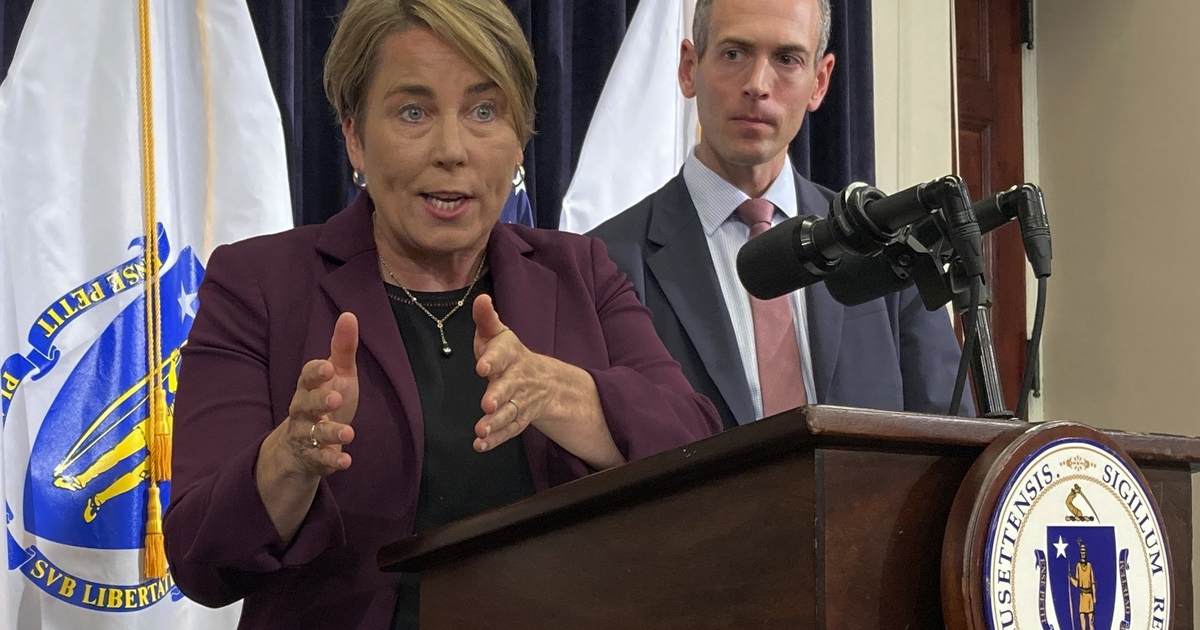
Massachusetts has passed a law allowing abortion throughout pregnancy, removing the old 24-week cap and replacing it with broad clinical discretion for physicians.
It was an utterly macabre scene in Massachusetts yesterday, as Democrat Gov. Maura Healey signed legislation legalizing abortion up to birth and removing previously existing protections for post-24 weeks abortions. The measure passed the Democrat-controlled House overwhelmingly on July 22 and was greeted with cheers and smiles from supporters who champion “reproductive freedoms.” The change marks a sharp shift in state policy and has set off fierce debate about medicine, ethics, and public oversight.
The new legislation removes the previous 24 week limitation, permitting abortion throughout the pregnancy by “allowing physicians to rely on their professional medical judgment, consistent with accepted standards of care, when providing abortion care later in pregnancy.” It also eliminated a list of “statutory exceptions” that previously permitted late-term abortion in “exceptional cases.” With a doctor’s approval, the law allows abortions at virtually any point for reasons that can be broadly interpreted as medical judgment.
Massachusetts Democrats framed the law as a protection for patient privacy and care. “As the Trump Administration ramps up attacks on reproductive care and abortion access nationwide, Massachusetts must continue closing gaps in care so that women have full autonomy over the care they need, when and where they need it,” said State Sen. Robyn Kennedy, Senate sponsor of the bill. State Rep. Christine Barber, House sponsor of the bill, echoed that stance: “Throughout relentless attacks on reproductive rights, Massachusetts has prioritized the fundamental rights and health care of its residents.”
https://x.com/LifeNewsHQ/status/2086905415808561552
Massachusetts performed approximately 49,450 in 2024, drawing huge swaths from medical abortion pills shipped out of state. The vast majority of abortions in Massachusetts occurred in the first trimester, but these new permissions will almost certainly shift that breakdown and cause more late-term abortions. That shift raises questions about how the state will monitor and report outcomes tied to later procedures.
Governor Healey and the Massachusetts Legislature have erased the final protections for unborn children who can feel pain and who could survive outside the womb. At the very stage when premature babies are receiving lifesaving care in neonatal intensive care units, Massachusetts will permit abortionists to end the lives of children of the same age—and even older. That is not compassion, and it is not health care.
The law makes Massachusetts the 10th state, including D.C., to have no gestational limit on abortion, effectively allowing terminations up to birth. Those jurisdictions often do not report gestational-age data of performed abortions to federal trackers like the CDC, and public health reports do not consistently tally post-viability procedures. If officials refuse transparent reporting and data collection now, what are they trying to hide?
From a Republican viewpoint, this is both a moral and practical failure of governance: it abandons the most vulnerable and removes basic safeguards without clear accountability. Hospitals, neonatal units, and families deserve to know how state policy affects care and outcomes, and taxpayers deserve transparent data on health practices carried out in their name. The debate will continue, but the immediate result is a sweeping law that changes the medical and legal landscape in Massachusetts overnight.