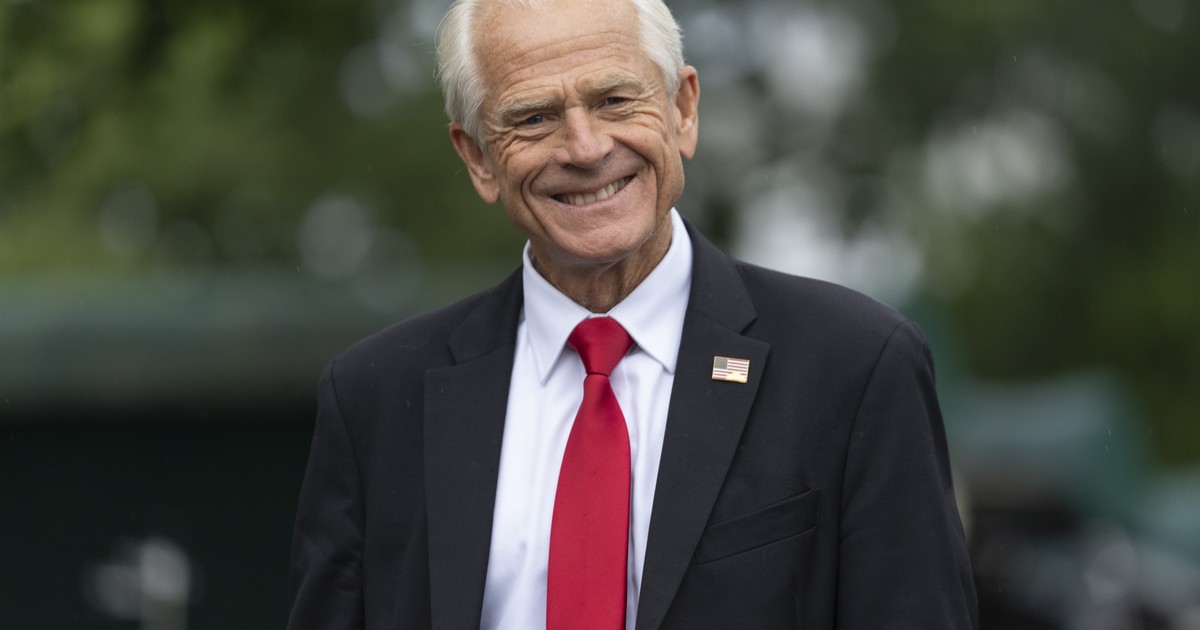
Navarro pushes the Federal Reserve to pay attention to the data and ease policy, arguing headline inflation is distorted by energy while underlying measures show cooling pressure.
The July Consumer Price Index print set off a White House pushback and a public debate about whether the Federal Reserve should loosen monetary policy. The new numbers have prompted senior adviser Peter Navarro to say the Fed ought to be reading the data differently, pointing to shifting drivers beneath the headline. His comments add a conservative voice to the conversation over interest rates and economic risk.
The Fed has not cut rates since the modest 0.25 percent move last December, and policymakers have largely kept policy steady since then. That pause has left markets, businesses, and households wondering when relief might come if inflation trends continue to soften. Navarro and others argue those underlying trends deserve more weight than single-month headline swings.
Navarro took those arguments to the opinion pages and framed them bluntly in a piece titled “July Inflation Blows a Hole In the Fed-Must-Remain-Tight Story,” on Wednesday. He laid out the case that headline readings are masking healthier dynamics underneath, and he urged the Fed to respond to what the data truly show rather than to scare stories.
Navarro wrote bluntly: “The 3.4 percent headline inflation number will get the headlines, but it badly obscures what is happening underneath,” Navarro argued. “The main distortion is energy. Energy prices are still 14.7 percent higher than a year ago, with gasoline up 24.6 percent, largely reflecting the oil shock associated with the conflict in Iran.”
He continued with a wider look at core signals, writing: “The signal in July is unmistakable: underlying inflation is cooling fast, tariff pass-through remains contained, and real wages are moving higher,” he continued. “The Fed should read the data in front of it, not the anti-tariff forecasts behind it.”
https://x.com/byHeatherLong/status/2087518511761404134
Navarro did not hold back: “Tariffs are not setting America on fire. The inflation scare is running out of gas,” Navarro added. That line underlines his contention that trade measures and supply-side shifts are not fueling a persistent inflation spiral that would justify prolonged tight policy.
Former President Donald Trump has repeatedly pushed for aggressive rate cuts in the past, and he has pointed to Federal Reserve leadership as an influence on policy direction. “Kevin’s fantastic, but he’s got a board, and the board members are very political, I would say,” Trump has said previously. That political pressure adds another layer to the debate about the timing and pace of any easing.
The Federal Open Market Committee voted 9-3 to hold rates at its July meeting, a split that shows real disagreement inside the Fed over the next move. “Economic activity is expanding at a solid pace despite elevated uncertainty that owes, in part, to the conflict in the Middle East,” the committee stated. “Productivity growth and capital investment are strong. Job gains have kept pace with the workforce, and the unemployment rate has changed little.”
Policymakers also emphasized the inflation challenge while acknowledging specific shocks that have lifted prices in certain areas. “Inflation remains elevated relative to the Committee’s 2 percent goal, in part reflecting supply shocks that have driven price increases in certain sectors, including energy. The Committee will deliver price stability,” the statement continued. That language signals the Fed’s ongoing focus even as outside voices press for a re-evaluation.
On the Republican side, the argument is straightforward: if core measures show easing, the central bank should act to ease the burden on working families and businesses. Navarro’s piece layers data interpretation with a political nudge, asking the Fed to prioritize underlying trends over headline noise.
As markets parse the next CPI reports and Fed communications, the pressure on policymakers will keep building from both economic indicators and political actors. The coming weeks of data and Fed minutes will be watched closely for any sign that a consensus is shifting toward rate relief.