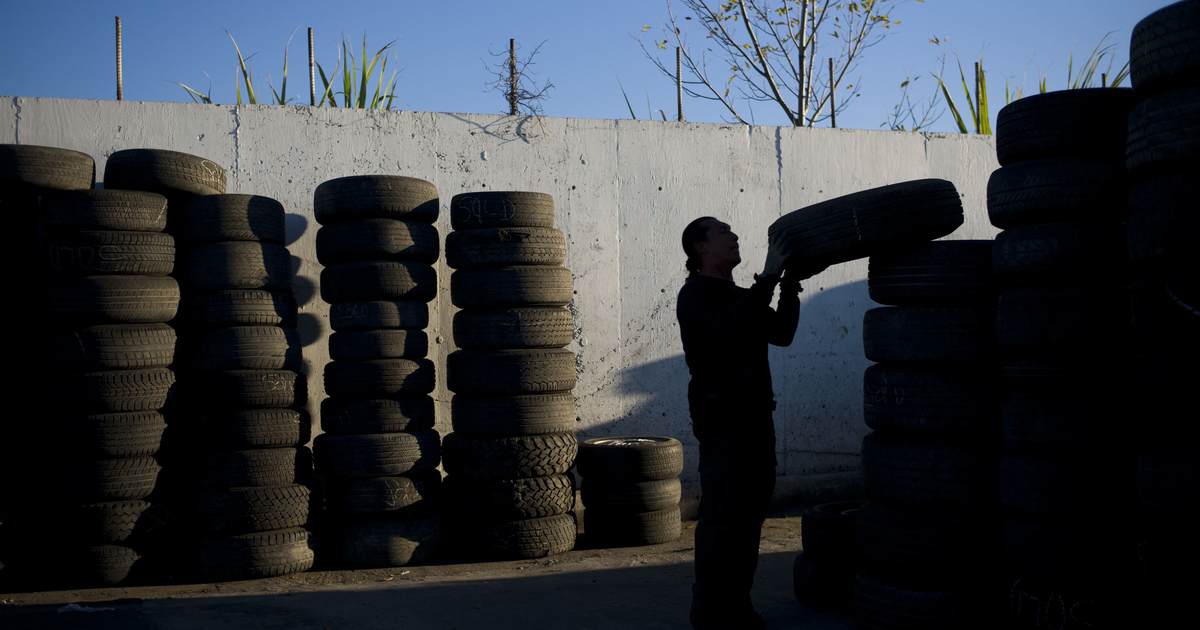
California’s new tire rules will reshape the market, cut the range of available tires dramatically, and are being sold as savings that many experts and critics find unlikely to materialize.
California’s political class keeps passing rules that shift costs onto everyday people, and this tire regulation is the latest example. Lawmakers and regulators pushed through standards that will limit which tires can be sold statewide, and that will force manufacturers and drivers to adapt. The result will be fewer choices and higher prices for consumers who already face a high cost of living.
Regulators estimate a phased timeline that will take sharp effect by 2033, and industry observers say roughly 70 percent of current tire options could be removed from the market. That kind of market flip forces supply adjustments and leaves shoppers paying more for approved models. When regulators pick winners and losers, competition suffers and prices tend to rise rather than fall.
— Kevin Kiley (@KevinKileyCA)
Critics on the right see this as more proof of Democrats favoring regulation over the pocketbook of residents. The language from the state reads like an environmental or safety crusade, but the financial impact lands squarely on consumers. Voters should expect to pay several hundred dollars more per vehicle when replacement time comes.
The state touted potential savings and environmental benefits, yet the claims are thin once you dig into the details. Promises of a billion-dollar saving were couched in conditional language that weakens the headline. When the press office runs victory laps, people should ask for the conservative math behind the bragging.
https://x.com/ZavalaA/status/2089496755905937596
Behind the optimistic press releases, the mechanics of regulation are straightforward and unforgiving. Manufacturers must redesign product lines, certification processes add cost, and supply chains rearrange to meet the new approved list. Those expenses do not vanish; they show up on invoices and at the pump, ultimately paid by drivers.
California already levies some of the highest non-gas-tax fees in the country, and this rule plugs into that same pattern of shifting costs through regulation rather than cutting waste. Officials talk about environmental responsibility, but the policy framework consistently ignores economic burdens on families and small businesses. The cumulative effect of multiple fees and mandates is a slower erosion of purchasing power.
There are also odd political optics around who benefits when the market narrows. When the state limits which products meet its standards, a handful of certified suppliers can capture huge shares of business. That raises legitimate questions about influence and whether political connections tilt policy toward a few favored manufacturers.
Workers and local businesses could see secondary impacts as well. Higher transportation and replacement costs ripple into service pricing and delivery charges. When small businesses pay more for their fleets to be maintained, those costs are passed to customers or result in tighter margins for shop owners.
Estimating the precise increase in consumer bills is messy, but industry voices warn drivers to expect hundreds of dollars per vehicle over a tire lifecycle. Those are real dollars that affect household budgets, not abstract savings touted in press statements. For many families, every additional cost matters when trying to make ends meet.
Beyond pocketbook effects, this move highlights a broader ideological divide about how to govern a state economy. One side trusts regulators to steer markets toward collective goals, while the other side warns that top-down mandates produce concentrated benefits and diffuse burdens. The practical outcome here looks like higher prices and less choice for average drivers.
Lawmakers should be honest about trade-offs instead of dressing regulatory wins as automatic wins for consumers. When officials rely on conditional language to justify big changes, voters deserve scrutiny and clear, independent analysis. Transparency about assumptions and industry impacts would improve public trust, but that transparency is often missing.
The conversation in Sacramento will continue, but the immediate reality is simple: a statewide rule that removes a large share of available tires will reshape purchasing options and raise costs. Policymakers who claim large savings should be held to account with plain numbers and plain language. Until then, drivers in California should prepare for a bump in maintenance expenses and a smaller selection at the tire shop.