A federal arrest in California shows the kind of voter-registration hole Democrats keep denying, and it renews calls for stronger verification and voter ID in time for the midterms.
Federal authorities recently moved on a case that underlines persistent vulnerabilities in our voting system, particularly where state rules make registration easy for non-citizens. The Justice Department uncovered an alleged instance of false registration in California, reinforcing concerns from conservatives about unchecked ballot access. This incident has reignited debate over whether current safeguards are adequate heading into a high-stakes election season.
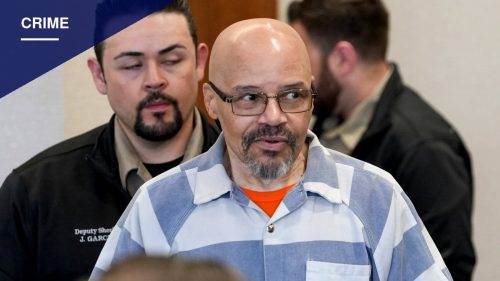
On Friday morning, federal agents arrested Darwin Jonathan Rivera Flores, a 30-year-old Honduran national, on charges of unlawfully registering to vote and falsely claiming to be a U.S. citizen. Should he be convicted, Rivera Flores faces conviction for his alleged crimes. The arrest is the latest example cited by election integrity advocates who argue that permissive state rules invite fraud and confusion.
https://x.com/USAttyEssayli/status/2093354336512593997
“Because states like California allow non-citizens to easily register to vote and receive a ballot by mail, there is no telling how many non-citizens are currently registered,” U.S. Attorney Bill Essayli said in a post on social media. That statement captures why many Republicans have been pressing for uniform federal standards for verifying eligibility. When state policies diverge so widely, it creates weak points that bad actors can exploit, and it erodes public confidence in ballot outcomes.
Republicans and conservative groups see this arrest as evidence that voluntary reforms are not enough. The SAVE America Act, pushed by President Trump, aims to require voter ID and proof of citizenship to participate in elections, measures supporters say would close obvious loopholes. Opponents cast those changes as unnecessary or restrictive, but cases like this one are used by proponents to argue that practical checks are overdue.
At the same time, efforts to tighten mail-in ballot rules are running into courtroom battles. Trump’s attempt to limit access to mail ballots to verified voters is facing legal challenges, and a federal judge appointed during the Obama administration recently blocked some postal service rules put in place to support ballot security. Legal delays make it harder to implement clear safeguards before ballots start going out on a wide scale.
The timing raises concern because the midterms are fast approaching, with just 67 days left on the calendar. That deadline pressures lawmakers and courts while raising stakes for election administrators who must balance access with integrity. For many voters, the issue is straightforward: ballots should only be cast by eligible citizens, and it should be simple to confirm that before a ballot is counted.
Critics of stricter rules argue that making registration harder will disenfranchise lawful voters, and that infringement on participation is a real risk. Conservatives counter that verification protects everyone’s access in the long run by ensuring outcomes reflect only legitimate votes. This tension is central to the debate as states and federal authorities respond to individual cases and broader patterns.
Beyond policy disputes, there is a political dimension. Democrats generally defend broad access measures and downplay isolated instances of fraud, while many Republicans treat each confirmed case as proof of systemic weakness. That partisan split has hardened into competing narratives about whether the priority should be maximum participation or maximum verification, and that divide is shaping how reforms are proposed, litigated, and implemented.
For voters who want trust in our elections, the practical question is what steps will actually reduce the chance of ineligible ballots being cast and counted. Whether through federal standards like the SAVE America Act, state-level voter ID rules, or targeted enforcement of existing laws, conservatives argue the focus must be on certainty and accountability. With an arrest like this now public, the demand for clear, enforceable verification measures will only grow louder as election day approaches.