A rising sentimental attachment to the past is shaping how Americans view technology, work, and growth, and that appetite for preservation is starting to have real economic consequences.
“They don’t make things like they used to.” That line shows up in living rooms and at dinner tables, and it usually comes with a warm glow of memory. The problem is when that glow becomes a policy preference: when suspicion of new tech and new business models turns into resistance against investment and innovation.
Too many people today treat modern advances with distrust, especially artificial intelligence and the infrastructure that supports it. Rather than seeing innovation as a path to more productive and abundant lives, an increasing number of Americans view change as something to oppose. That instinct pushes a preference for preserving the status quo over building what comes next.
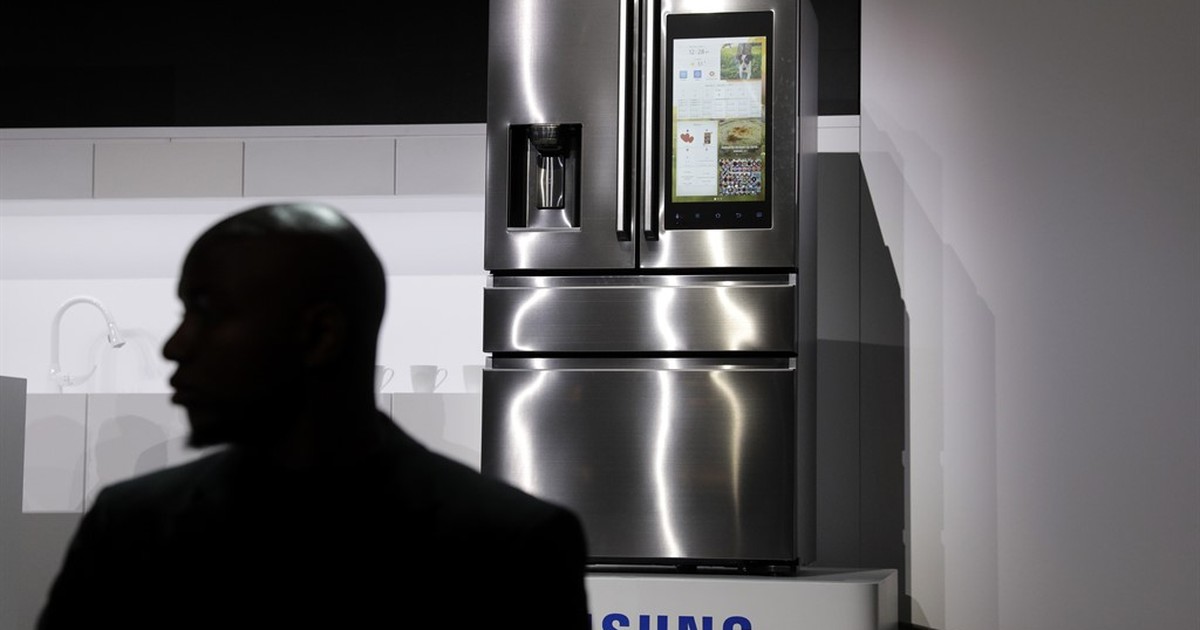
Gratitude gets overlooked in this view. Consider the refrigerator: older generations insist vintage models lasted longer and were simpler, but that claim doesn’t hold up to the evidence. Emma Camp, writing for the Wall Street Journal, notes the myths and the data that contradict them.
“A lot of you saw this video I made about why modern refrigerators are better than vintage ones. The answer is free market capitalism, by the way. A lot of people said we were wrong. A lot,” Camp said. “‘No,’ they protested. ‘Fridges made today are worse because they aren’t meant to last. Modern refrigerators break down after a few years.'”
“This is also wrong,” she said. “For starters, the percentage of American households with refrigerators more than 10 years old has barely budged since 1990. And this Norwegian study found that the lifespan of fridges and freezers has barely shifted in 80 years.”
Modern refrigerators use far less electricity, offer better storage and insulation, and include features that reduce food waste and lower household costs. Survivorship bias helps explain the nostalgia: a handful of old, well-preserved appliances get attention while the many that failed decades ago are forgotten.
https://x.com/emmma_camp_/status/2092382075886195133
“Just because a few really old fridges and freezers are still around doesn’t mean every old appliance could have lasted that long. This kind of thinking is called survivorship bias,” Camp said. “Who knows, maybe one day your grandkids will be nostalgic for your refrigerator.”
The same selective memory colors how people recall cars, phones, and televisions. Old cars were easier to tinker with but far less safe and fuel-efficient. Landline phones rarely needed charging yet could only sit in a single room. Television sets lasted but delivered far less value for the space and power they consumed.
That taste for simplicity is starting to steer economic arguments. Calls to return to the employment patterns of a past century, or to rebuild towns around a single plant and a single union job, ignore how much harder life was without modern productivity. Affordability anxieties lead people to remember lower sticker prices while overlooking relative income, access, and quality.
Resistance shows up in policy fights over housing and new industry. Instead of easing construction barriers, the reflex is often to blame “greedy landlords” and push price controls. Instead of treating AI data centers as factories of the future that bring investment and jobs, many communities choose bans or moratoria that chase away economic opportunity.
When a nation treats every new industry as a threat and every shift as a loss, it weakens entrepreneurship and long-term standing. Rejecting innovation to preserve a romanticized past makes the country poorer and less capable, all while congratulating itself for defending something that no longer exists.