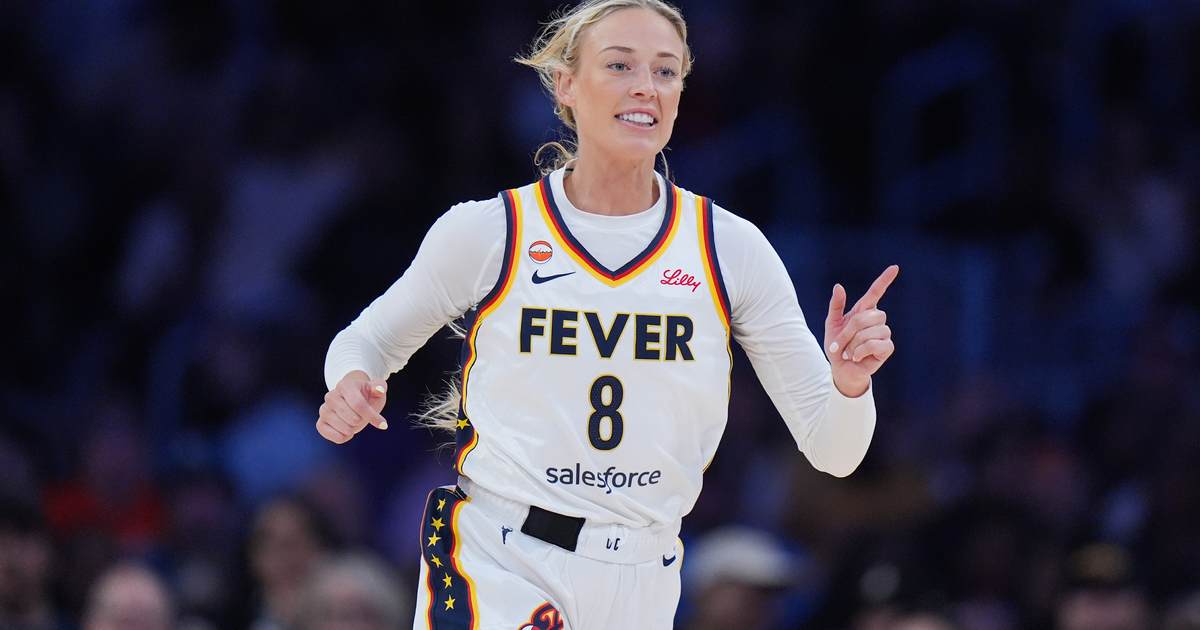
New York Times hosts Madeline Hill and Charlotte Wilder publicly mocked WNBA player Sophie Cunningham and former NCAA swimmer Riley Gaines on the Times’ Sports Gossip Show, dismissing their concerns about men competing in women’s sports and accusing them of seeking attention. The exchange included sharp on-air lines like “She’s doing a right-wing grift,” and claims both athletes were “not very good” at their sports. Those comments landed as the two women pushed a narrative that the controversy is overblown while treating Cunningham and Gaines as political props rather than athletes and advocates. That reaction set off a wider debate about who speaks for women’s sports and which voices get silenced.
The segment in question came after a WNBA game where Riley Gaines publicly showed support for Sophie Cunningham, and the hosts framed that moment as a publicity stunt. They used the photo of the two women as a way to mock rather than engage with the substance of the issue, insisting that the debate is largely manufactured. From a conservative perspective, it looked like feminists at a major outlet were more interested in protecting an ideology than in protecting female athletes.
On air, the hosts were explicit in their dismissal. “She’s doing a right-wing grift,” Wilder said in response to Cunningham’s stance on men in women’s sports, and the tone of the segment stayed dismissive throughout. The co-hosts also attacked athletic credibility by saying both women are “not very good” at their respective sports, an attempt to undercut their standing to weigh in. Treating athletic performance as a disqualifier for commentary is a weak retort, especially when the issue affects all female competitors.
The hosts doubled down by labeling Cunningham a seeker of attention, arguing her basketball career is limited and implying she is trading on conservative outrage. “She knows what she’s doing. Ultimately her basketball career is only going to be so long. She’s not the best player,” one host declared, framing her motives as opportunistic. That line of attack flips the script: it ignores the reality that many athletes speak up about issues that affect their sport, regardless of star power.
https://x.com/CollinRugg/status/2085089711601623059
They also minimized the broader concern about competitive fairness. “Trans women in women’s sports is not the biggest threat to women’s sports by any means; I would say it isn’t a threat,” Wilder said, and her co-host insisted the matter is a “human rights” issue rather than a sports integrity problem. The segment went further with the claim, “Republicans know people will get up in arms about it! They are like, oh great now we have another mouthpiece that can distract from all these other things that we’re doing.” That framing treats legitimate concerns as mere political theater.
Public opinion is hardly monolithic, but surveys show a clear majority of adults fall on one side of this debate: roughly 66 percent to 75 percent of U.S. adults believe transgender athletes should compete only on sports teams matching their sex assigned at birth, putting this closer to a 70-30 split. Those numbers help explain why athletes like Cunningham and Gaines have drawn attention and why the conversation is intense. Ignoring those views won’t make the underlying issues disappear for coaches, parents, or young athletes.
Cunningham has asked media to keep the focus on the game rather than turning every comment into a political spectacle. She has said, “All we ever do is cover everything except basketball… We gotta keep the main thing the main thing. I want to get back to basketball.” That plea is straightforward: athletes want the ability to compete and be recognized for their sport without every play becoming a headline about culture war politics. Dismissing that desire as a partisan ploy is dismissive of athletes’ real priorities.
Liberal feminists who reflexively side with ideology over athletes are only making it harder to protect women’s sports, because silencing or ridiculing women who raise concerns alienates a lot of people. Cunningham and Gaines are portrayed by some media as grifters, but the attacks have often come from other women who seem eager to avoid hard questions. From a Republican viewpoint, standing up for competitive fairness and for girls and women who want safe, level playing fields is not a ploy; it is a defense of basic fairness in sport.
The optics of elite media hosts smearing female athletes for speaking up will keep fueling the debate, not settle it. When mainstream outlets choose mockery over engagement, they cede respectability and push the argument into harsher public arenas, which only entrenches positions on both sides. The core questions about fairness, safety, and the future of women’s sports deserve better than sound bites and cheap dismissals.