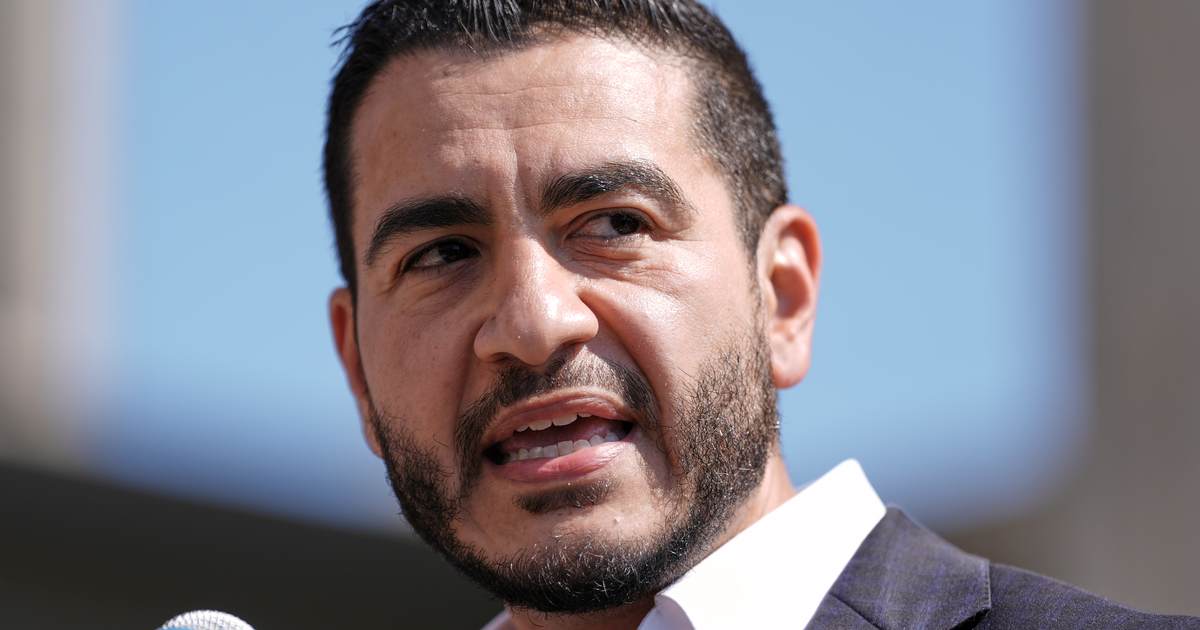
PETA has declined to directly condemn Democrat Senate candidate Abdul El-Sayed over serious animal welfare allegations from his time running Detroit’s animal control, despite whistleblower claims, thousands of euthanizations, and a settlement tied to those complaints. The organization issued statements that frame the problem as systemic and due to overpopulation rather than assigning individual blame. Those responses, the whistleblower testimony, and the numbers involved have become a political flashpoint as El-Sayed heads into a midterm matchup.
PETA, known for loud progressive activism, refused to place the blame squarely on Abdul El-Sayed after reports surfaced about conditions at Detroit Animal Control during his tenure as health director. According to reporting, nearly 4,700 cats and dogs were euthanized while other animals allegedly died of malnutrition or lack of care amid unsanitary conditions. Critics say the scale and nature of those deaths demand accountability from leadership, not just an explanation about systemic challenges.
A report detailed whistleblower complaints that paint a grim picture of day-to-day operations and decision making inside the shelter system. The claims prompted internal attention and later legal resolution for an employee with direct knowledge of conditions. Those accounts, combined with the euthanasia numbers, have been seized on by opponents and the press as evidence that leadership failures had lethal consequences.
One former employee was blunt in describing the work environment under El-Sayed’s watch, calling the Department of Animal Control a “dog slaughterhouse.” That phrase has been repeated in coverage and by critics who argue the term fits the scale of deaths and the reported indifference. The image of metal cages and animals left to suffer hit a nerve with voters and animal advocates alike.
https://x.com/GreatLakes_HQ/status/2088284856753041840
Detroit Animal Control whistleblower Brittany Roberts offered a direct, personal account of the daily reality inside the shelter: “I was almost embarrassed with myself to be part of a team that played a role of the death of so many dogs in their cages,” Detroit Animal Control whistleblower Brittany Roberts told the Daily Mail regarding the neglect. “Every morning, we’d just walk around and see who was alive before we could even feed.” That testimony helped drive public attention and a legal settlement that avoided a court finding.
When asked about El-Sayed’s responsibility, PETA emphasized structural pressures and refused to single out the candidate for blame in the way many conservatives and animal advocates demanded. “Every public official who oversees an animal shelter inherits the same heartbreaking challenge: there are far more homeless dogs and cats than there are good homes for them,” a PETA spokesperson said. The statement framed the issue as one of supply, policy, and resources rather than leadership culpability.
PETA’s spokesperson went on to outline best practices they expect from shelter overseers while stopping short of condemning any individual: “Anyone entrusted with overseeing animal sheltering should prioritize aggressive spay/neuter efforts, expand access to affordable veterinary services, support adoption programs, and ensure that every animal receives prompt and appropriate care. If animals are ever denied necessary veterinary treatment or allowed to suffer from neglect while in a shelter’s custody, that is a serious matter that warrants a thorough and independent investigation.”
Critics say that response reads as excuse-making, not accountability. One PETA line drove the point home for opponents: “Anyone upset about animals in shelters having to be euthanized should place the blame firmly where it belongs: on breeders and retailers who continue churning out animals, on the people who keep them in business by buying instead of adopting, and on those who fail to have their animals spayed or neutered, fueling the overpopulation crisis,” the spokesperson continued. Opponents argue that finger-pointing at broader societal problems cannot replace answers about decisions made on the shelter floor.
No public, independent investigation into the Detroit allegations has been launched, though the city settled with whistleblower Brittany Roberts for $63,000 rather than litigate the issues in court. That payout left questions unanswered for voters and animal welfare observers who wanted a formal inquiry. The lack of a transparent investigation has only amplified partisan debate over responsibility and oversight.
Observers have also pointed out that PETA itself has been criticized for euthanasia rates that outpace some other organizations, raising accusations of hypocrisy when the group declines to condemn alleged mass deaths at a municipal shelter. A legal commentator noted differences in euthanasia numbers and cited a prior PETA settlement tied to the organization’s decision to euthanize a seized pet. Those comparisons are now part of the political narrative used by conservatives to challenge the group’s moral authority.
Numbers from 2017 are frequently cited in this debate: Detroit Animal Control reportedly euthanized 1,417 cats and dogs in that year, while a PETA site in Norfolk recorded 1,782 euthanasias in the same period according to public records cited by critics. Those figures get pulled into campaign messaging as proof that policy and practice matter, regardless of whether an organization is activist or municipal. The juxtaposition drives a pointed Republican critique of progressive groups that preach reform while allegedly practicing harsher outcomes.
Abdul El-Sayed will now carry these allegations and the controversy over PETA’s response into a general election matchup with Republican Mike Rogers for Michigan’s Senate seat this November. For voters, the story mixes questions about humane standards, managerial judgment, and which institutions get to set the narrative when scandal meets politics. The fallout is playing out in campaign ads, debates, and local conversation as the election approaches.