New York City’s experiment with government-run grocery stores has exposed a political strategy: what started as a campaign promise now reads like a plan to centralize control, punish small businesses, and reshape local economies under ideological goals rather than market forces.
When Mayor Zohran Mamdani announced plans for municipally operated grocery stores during his campaign, bodega owners immediately warned that it would threaten their livelihoods. Those warnings were dismissed by supporters as progressive fixes, but critics say the outcome is predictable when government competes directly with private businesses. The process to submit a Request for Proposal has already been called by locals and observers alike complicated and bewildering, which only adds to the sense that the rollout favors insiders.
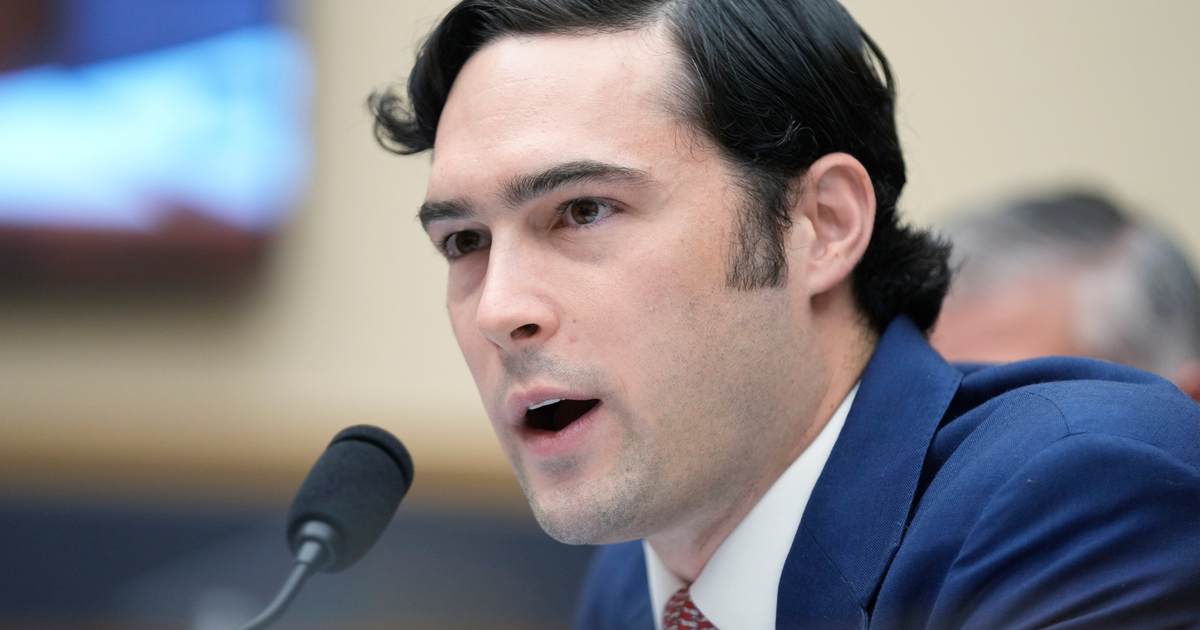
On the ground, this is less about affordability and more about leverage. Rep. Brandon Gill spelled out the motive behind Mamdani’s move, arguing that the initiative serves political interests more than shoppers. That point changes the debate: this is framed not as relief or economic development but as a political instrument that reshapes who wins and who loses in New York City.
“For Mamdani, let’s be very clear about what he’s doing. This is not an attempt to make America or New York City more prosperous,” Gill said. “It’s not an attempt to promote human flourishing or to do any kind of good for his community. It is purely a weapon he can use against his political enemies, i.e. the taxpayers and business owners who are going to be run out of business because they’re having to compete with the government. And a way for him to use these grocery stores to reward his political allies. And those are the people he believes are going to be using the grocery stores, whose votes he’s essentially buying off. It’s a raw, Machiavellian power play, and I think that’s what is so disturbing and disgusting about it.”
There is every reason to expect the program to unravel quickly once the political shine wears off and operational realities set in. We give it six months before the stores begin to crumble, when supply issues, staffing problems, and budget shortfalls collide with taxpayer impatience and small-business backlash. That timeline isn’t a guess so much as a pattern: government-run enterprises often start with grand promises and end with mounting costs and hollowed-out local options.
https://x.com/realBrandonGill/status/2084746489629200607
Look at the incentives built into this design and the outcome is obvious: when government becomes both regulator and competitor, the playing field tips. Private shopkeepers who have paid rent, built customer trust, and navigated red tape for years suddenly face a state-backed rival that can undercut them or change rules to favor its partners. This is not neutral policy making; it rewrites the rules in favor of political friends and centralized control.
Residents in underserved neighborhoods deserve reliable access to groceries, but forced market displacement is not the same as empowerment. Real solutions strengthen local entrepreneurs, reduce barriers to entry, and create incentives for investment, not artificial alternatives that can be shuttered when budgets tighten. Those who care about resilient communities should demand approaches that grow wealth rather than concentrate decision-making in a few hands.
The rhetoric from City Hall frames this as progressive problem-solving, yet the mechanics point to something else: a strategic move to reshape constituencies and reward loyal groups. When elected officials mix patronage with public services, the result is a politicized distribution of necessities. Citizens ought to be wary when essential goods become tools for political calculation rather than outcomes measured by effectiveness and durability.
It is also a blunt test of accountability. If these stores fail, who answers to the businesses and families left worse off? If they succeed, at what cost to the broader commercial ecosystem and taxpayer balance sheets? Any honest assessment should demand transparency on contracts, procurement, and the long-term fiscal picture before launching projects that directly compete with private enterprise.
Editor’s Note: New York City is now facing the consequences of Mayor Zohran Mamdani’s socialist takeover.