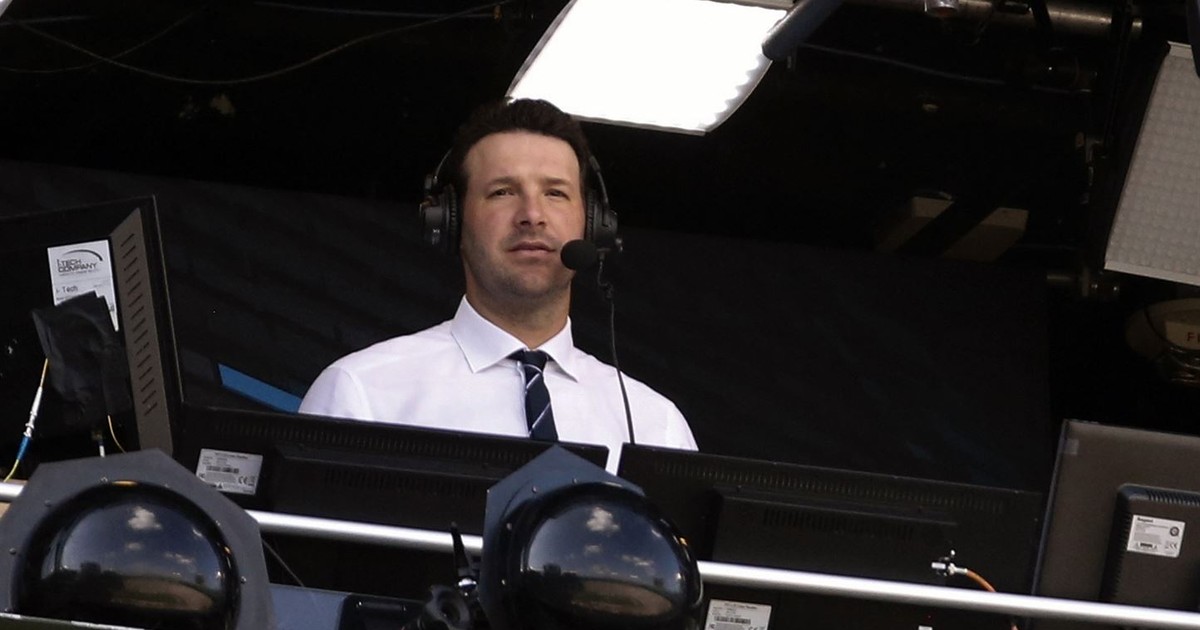
Former Dallas Cowboys quarterback and CBS analyst Tony Romo was arrested on July 23 in Wisconsin on suspicion of driving under the influence, and newly released bodycam footage helps explain why officers put him in handcuffs.
Tony Romo, the former Cowboys quarterback turned TV commentator, was taken into custody after a traffic stop that escalated into an OWI arrest. Early reports focused on the mugshot and basic charges, but the bodycam material adds context to what officers saw and heard at the scene.
The case centers on a stop during a drive back from a golf event, where officers say they discovered evidence at the scene that complicated Romo’s situation. One item mentioned in the documentation was an open container found inside the vehicle, a detail that figures into the citation list and public reaction.
Authorities have released copies of the citations tied to the July 23 incident, and those documents spell out the offenses and fines Romo faces. The paperwork lists a fine amount and describes the conduct that prompted the initial stop and subsequent charges.
The Milwaukee County Sheriff’s Office released to the California Post copies of three citations its officers hit Romo with in the immediate aftermath of his July 23 arrest in Wisconsin, and one of them claimed the CBS NFL analyst had an “open bottle of an alcoholic beverage” located on the passenger side of his black Jeep.
https://x.com/TMZ/status/2082257080501878974
A deputy discovered the item when they were taking inventory of Romo’s car as it was being towed, according to the citation.
The document stated Romo is facing a $267 fine for the alleged “possess open intoxicants in MV-driver” offense.
The second citation Romo was tagged with was for “unsafe passing on right.” Police wrote in the document that he drove “in the marked right distress lane to pass vehicles in lanes 1 and 2 during rush hour traffic” before he “cut across the marked gore” to get to where he wanted to go.
Romo “was in question on what a gore was when I explained the reason for the stop,” his arresting officer wrote in the citation.
The citations list a $267 fine for the open intoxicant allegation and a separate charge for unsafe passing on the right, which in their account involved using the marked right shoulder to pass traffic. Officers described a maneuver that included cutting across a marked gore area to re-enter traffic, which is central to the unsafe passing citation.
The bodycam footage reportedly shows the interaction that led officers to inventory the vehicle and locate the alleged open bottle on the passenger side. Visuals from these stops often shape how the public interprets events, especially when a prominent figure is involved and the mugshot already drew attention.
Witnesses and bystanders quickly turned the episode into fodder for social media, producing memes and reactions that spread widely. That response underscores how incidents involving public figures get amplified, even when legal procedures are still unfolding.
From a procedural view, officers followed standard steps: stop, interview, inventory and document items in the vehicle, then cite and arrest as warranted. The documentation is now part of the public record, so the listed fines and charges are clear, but they do not resolve the larger question of guilt or innocence.
Legally, an open container citation and an OWI-related arrest are distinct but related matters; one addresses possession while the other targets impairment behind the wheel. Romo will face whatever administrative and legal processes the Wisconsin system requires, and the citations give a snapshot of what prosecutors and defense may address in the coming weeks.
There’s also a reputational angle. Romo has a public role as an analyst, and employers and audiences will watch how the situation develops. Consequences beyond the courtroom—scheduling, on-air appearances, and public trust—can move faster than the legal calendar.
The episode is a reminder that even familiar faces are subject to standard traffic enforcement and criminal procedure. The footage, the citations and the public reaction together create the narrative that people will discuss as the case moves forward.