Rosie O’Donnell stirred up a predictable media squall while guest-hosting late night, then touched off internal drama by suggesting she and many former co-hosts would return for The View’s 30th anniversary, prompting some past hosts to feel snubbed and setting off an uncomfortable exchange among alumni.
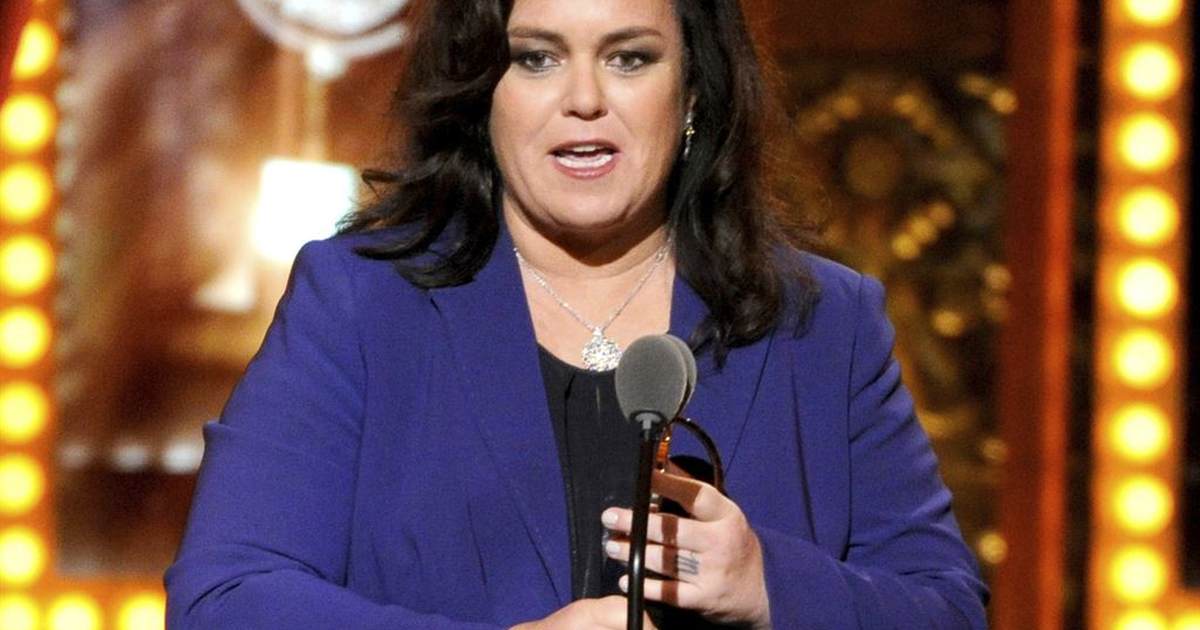
Rosie O’Donnell took the guest-host chair on Jimmy Kimmel’s show and used the slot to unload on President Trump, which was exactly what viewers expected. The routine included sharp jabs and theatrical lines aimed at the White House, and the performance quickly moved from television ribbing to a broader media squabble. Her appearance breathed new life into familiar divides between cable talking heads and conservatives.
What made the situation messier was O’Donnell’s offhand comment about returning to The View for its 30th anniversary with many past hosts. She suggested a mass reunion on a podcast, and that simple remark spun into accusations and confusion among former co-hosts. The reaction was notable because the announcement came without a formal invite, and some alumni felt overlooked.
Rosie O’Donnell has sent “The View” alumni into a tailspin over missing invitations that didn’t exist in the first place.
O’Donnell made headlines this week after announcing on a podcast that she had been asked to return to the hit ABC show, in some capacity, for the upcoming 30th anniversary and stating “They’re bringing back all the hosts, I think.”
While O’Donnell’s rep almost immediately walked back the news, telling E! “There was a mention of inviting some of the hosts back to ‘The View’ as a guest during season 30, there has not been a formal ask from the show at this time.”
[…]
Page Six is hearing that some past hosts felt snubbed when they heard the initial news and felt slighted over the perceived snub.
Former host Michelle Collins was so offended that she even took to Instagram to state she didn’t get the invite.
The internal blowup shows a side of daytime TV that audiences rarely see: the backstage friction and the quick climb from a casual remark to a perceived slight. O’Donnell’s public remark, whether intentional or not, put producers and former hosts on the defensive. Vanity and status still drive a lot of these public relationships, and when invitations are unclear, resentment follows fast.
On Kimmel, O’Donnell leaned into the theatrics and the partisan barbs that keep her in the headlines. Her monologue included a memorable line that critics will enjoy repeating, and the tone was less about humor and more about political theater. That kind of performance plays well in echo chambers but doesn’t change realities in Washington.
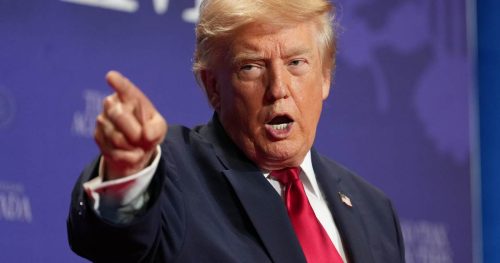
“I’ve really enjoyed my time here thanks to everyone who’s been watching this week, especially the hungry, hungry hypocrite in the White House,” O’Donnell said during her monologue Thursday. “Most of all, I’d like to thank Jimmy Kimmel for inviting me to do this and for reminding everyone that we have the right to free speech in this country, whether orange Voldemort likes it or not.”
O’Donnell guest-hosted Kimmel’s show while the late-night host was on summer break.
The political barb landed where it always does: entertaining progressives and irritating conservatives. From a Republican perspective the line was part of the usual late-night script that punches at the administration instead of offering substantive critique. Viewers who want serious policy debate will look elsewhere for analysis.
The fallout over the reunion claim also reveals how privileged entertainers can be about announcements and access. Saying “they’re bringing back all the hosts” without a confirmed plan creates drama that the network then has to manage. That kind of loose talk fuels gossip more than it clarifies plans for a milestone show.
Former hosts publicly signaling annoyance only made the story louder, which is exactly the kind of chaos that keeps media outlets fed. A single remark turned into a narrative about hurt feelings and perceived slights, showing how fragile public relationships among TV personalities can be. The public ends up watching the fallout instead of the program itself.
Meanwhile, the broader context remains unchanged: the presidency and the political debates continue regardless of late-night snipes. Mocking the officeholder won’t alter policies or the calendar of government. Commentators can shout and deride, but actual decisions and power rest with voters and institutions.
This episode is a useful reminder that media moments are fleeting and that personality-driven outrage often substitutes for reporting. Networks will put out clarifications, reps will walk back claims, and the cycle will repeat. For those who follow politics with a clear eye, it’s just more noise around an anniversary party that may or may not come together the way some expect.
The back-and-forth also highlights how quickly a small claim can become a headline and how fragile reputations are when managed by press statements and social media. At the end of the day, the controversy is a TV industry squabble dressed up as a cultural moment. The result is predictable: heated reactions, statements of offense, and little real change.
For viewers tired of the same scripted outrage, this was more of the same: performance over substance and drama over detail. The network will sort out its guest lineup and the anniversary plans, and the talent will find new ways to make noise. The political reality, including who holds the White House, keeps moving on.