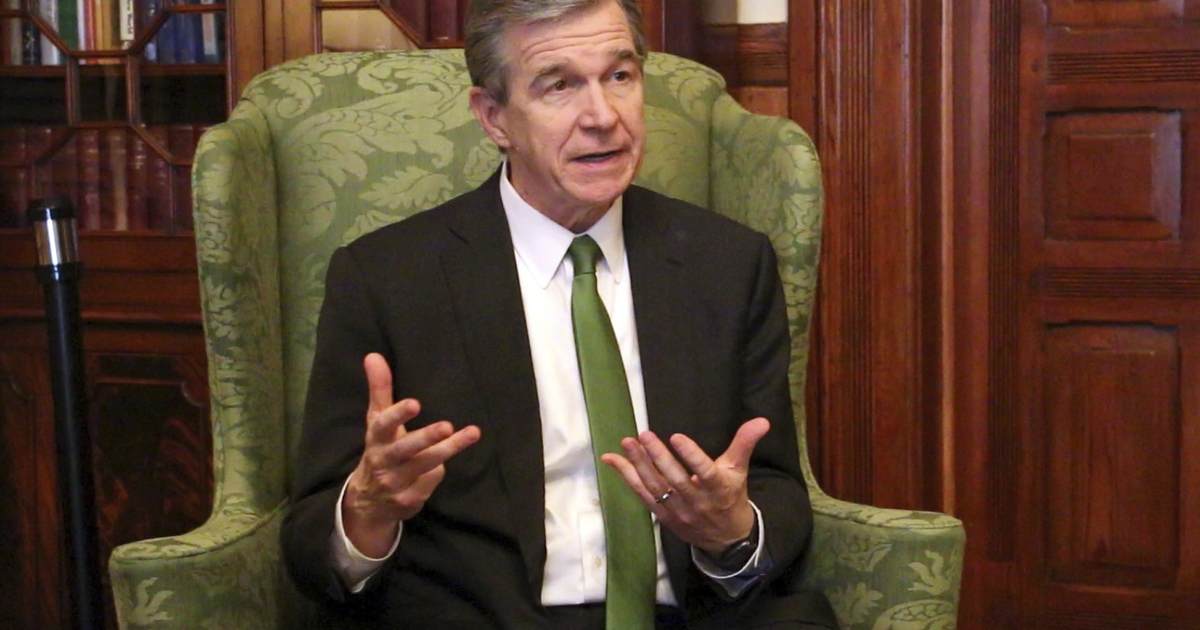
Roy Cooper’s ties to Duke Energy run deeper than a handful of mutual fund holdings; campaign donations, a flow of staff between his office and the utility, and a history of cozy negotiations suggest a pattern where public commitments and private benefits don’t line up.
Roy Cooper is campaigning for the U.S. Senate while carrying a record as governor that critics say shows repeated contradictions. He has been accused of being soft on crime and of resisting robust immigration enforcement, and those policy choices form part of the backdrop to questions about his relationships with big interests. Now his financial connections to Duke Energy are drawing scrutiny from voters frustrated with pay-to-play politics.
Cooper publicly attacked his Republican rival for owning Duke Energy stock, yet his own financial disclosures reveal exposure to the same company through mutual funds. The holdings are indirect but real, showing up in funds such as Vanguard Total Stock Market Index Fund, Vanguard High Dividend Yield ETF, Vanguard Total International Stock Index Fund, Schwab U.S. Large-Cap ETF, and the North Carolina Large Cap Index Fund. That raises a basic question: can a candidate credibly lecture opponents about corporate influence while maintaining similar financial ties?
Beyond mutual funds, the cash trail is even clearer. Over nearly 40 years in politics, Cooper has received more than $440,000 from Duke Energy PACs, executives, and employees. That total includes roughly $360,000 routed to the Democratic Governors’ Association while he served as chair, plus a reported $10,000 from DukePAC in the current cycle. Those numbers are straightforward and they matter when voters weigh independence from corporate power.
The relationship gets messier when staff moves are factored in. Several former Cooper aides took jobs with Duke Energy or in industries tied to the Atlantic Coast Pipeline, and others arrived in his administration after working for firms that counted Duke as a client. Those personnel swaps create a revolving door that blurs the line between public service and private benefit, and they give the appearance of influence even if direct quid pro quo is never proven.
Ken Eudy, a former senior advisor to Cooper, was tied to a lobbying firm that listed Duke Energy among its clients during the transition between roles. During a legislative hearing, Eudy answered “No, sir.” when asked if he had asked Duke for a statement declaring a fund was voluntary, yet documents and later testimony suggested coordination did happen. A text quoted in filings reads, “Ken Eudy said [the] Governor will make this decision versus Regan,” a message that directly contradicts public denials and points to behind-the-scenes conversations.
https://x.com/TeamCooperNC/status/2065505985523859898
That episode centered on a $57.8 million pipeline fund and negotiations that critics say routed money through the governor’s office instead of the state. Other Cooper staffers came straight from lobbying for a pipeline partner, and one in-house attorney rewrote a memorandum of understanding to steer how money was handled. When Cooper and his counsel skipped the subcommittee’s 2019 request to testify, it deepened concerns about transparency and accountability.
Senior staff moves to Duke Energy continued after those events. Assistants and communications directors who once worked inside the governor’s office later joined Duke’s state government affairs and corporate communications teams. Those transitions are legal and common in government, but they fuel distrust when the same company has donated large sums and benefited from policy decisions tied to state oversight.
The political picture includes a rhetorical pattern that frustrates conservative voters: rail against “big” interests when it wins headlines, while benefiting from their money and influence behind the scenes. Cooper promised to support measures to ban members of Congress from trading stocks, yet his own investment exposure through mutual funds provides a way to avoid direct stock ownership while maintaining financial ties. To many voters, that looks like an end-run around the very reform he claims to support.
For Republicans and independent-minded voters alike, the issue is less about the mechanics of mutual funds and more about consistency and trust. When a candidate lectures opponents about financial conflicts but accepts donations and has staff who flow between his office and corporate employers, it undermines the case for reform. Voters deserve an accountable standard that applies to everyone in public life, not selective rhetoric that changes with the headlines.