This piece lays out how a rollout of sanctuary-style policies in North Carolina let a repeat offender named Matias Gonzalez Garcia remain at large, and the political fallout that followed as critics blamed then-governor Roy Cooper for prioritizing soft-on-crime politics over public safety.
North Carolina voters deserve leaders who put safety first, not politicking that excuses repeat criminal behavior. Recent reporting shows a pattern where policies and political pressure cut off cooperation with federal immigration authorities, allowing dangerous individuals to slip through local enforcement. Those decisions had real consequences for communities that expected law and order from their state government. The backlash is political, and it’s understandable.
The individual at the center of this controversy is Matias Gonzalez Garcia, who has an arrest history that reads like a laundry list of threats to public safety. Local law enforcement had records of concealed weapons, probation violations, assaults, and resisting officers—charges that would normally trigger stronger action. Instead, critics say Garcia avoided timely federal custody because of state-level decisions that limited handoffs to ICE. When leadership sidelines enforcement, the public pays the price.
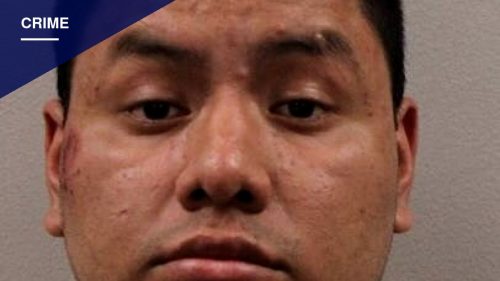
Meet Matias Gonzalez Garcia, a criminal illegal from Mexico who was arrested for assault in Lillington, North Carolina.
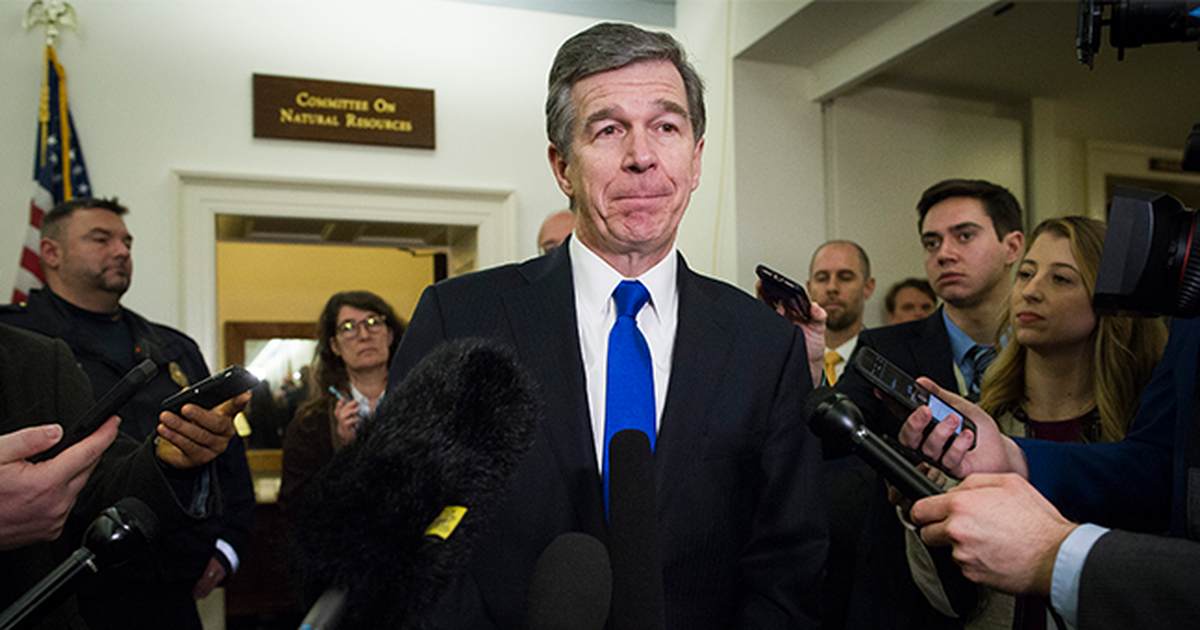
Thanks to Roy Cooper turning North Carolina into a sanctuary state, Garcia was never turned over to ICE and allowed to wreak havoc in North Carolina.
https://x.com/NRSC/status/2087609524588884322
Garcia was previously arrested for carrying a concealed gun, violating probation, assaulting a government employee, and resisting a public officer.
Thankfully, ICE arrested Garcia and took him off the streets.
Roy Cooper protected violent criminal illegals like this from deportation. His pro-crime, sanctuary city policies have no place in North Carolina.
People who back secure borders and firm law enforcement see this as a predictable result: when governors and attorneys general reduce cooperation with federal immigration enforcement, accountability evaporates. That’s not just theory; the arrest history tied to Garcia shows the human, local cost of policy choices. Families want to feel safe walking into grocery stores and parks without the fear of encountering the same faces in local mugshots. Elected officials have a duty to protect that peace of mind.
Supporters of the administration will argue that sanctuary policies protect vulnerable communities from overreach and fears of deportation. But opponents point out a messy trade-off when public safety harms rise alongside those protections. There are smart ways to balance civil liberties and law enforcement, and there are political responses that instead prioritize optics and fundraising over outcomes. The problem here is a clear mismatch between rhetoric and the reality of what unfolded on the ground.
Political incentives also play a role. Campaign cash and pressure from activist groups can push officials into policies that look good to donors while undermining the rule of law for everyone else. In a swing state where elections can hinge on turnout and sentiment, these choices become even more consequential. Voters notice when a leader’s decisions seem to track donor interests more than neighborhood safety.
Lawmakers and candidates on the right are using cases like Garcia’s to argue for stricter state cooperation with federal authorities and tougher enforcement at the local level. Their pitch is simple: public safety must be the overriding priority, not political signaling. That message resonates where victims and families have seen repeat offenders returned to the streets instead of being transferred to federal custody. There’s political traction in promising to restore common-sense enforcement.
At the same time, the debate exposes deeper questions about criminal justice policy and immigration law. Proponents of reform want change to prosecution priorities, sentencing, and immigration procedures, but those changes require careful implementation and oversight. When policies are rushed or driven by ideological purity, they can create enforcement gaps that put residents at risk. Responsible governance demands nuance and accountability, not slogans.
Local law enforcement officers, who often face the day-to-day consequences, are frequently left in a bind between competing directives from state officials and federal partners. That friction complicates investigations and makes it harder to build cases that keep dangerous people off the street. Officers need clear rules and support, not political theater that confuses priorities. Practical solutions should start with restoring trust and cooperation across jurisdictions.
“Roy Cooper lets violent felons out of prison and protects scumbag criminal illegal aliens like Garcia from deportation,” said NRSC Regional Press Secretary Nick Puglia. “Cooper is weak, woke, and a vessel for the socialists taking over the Democrat Party.”