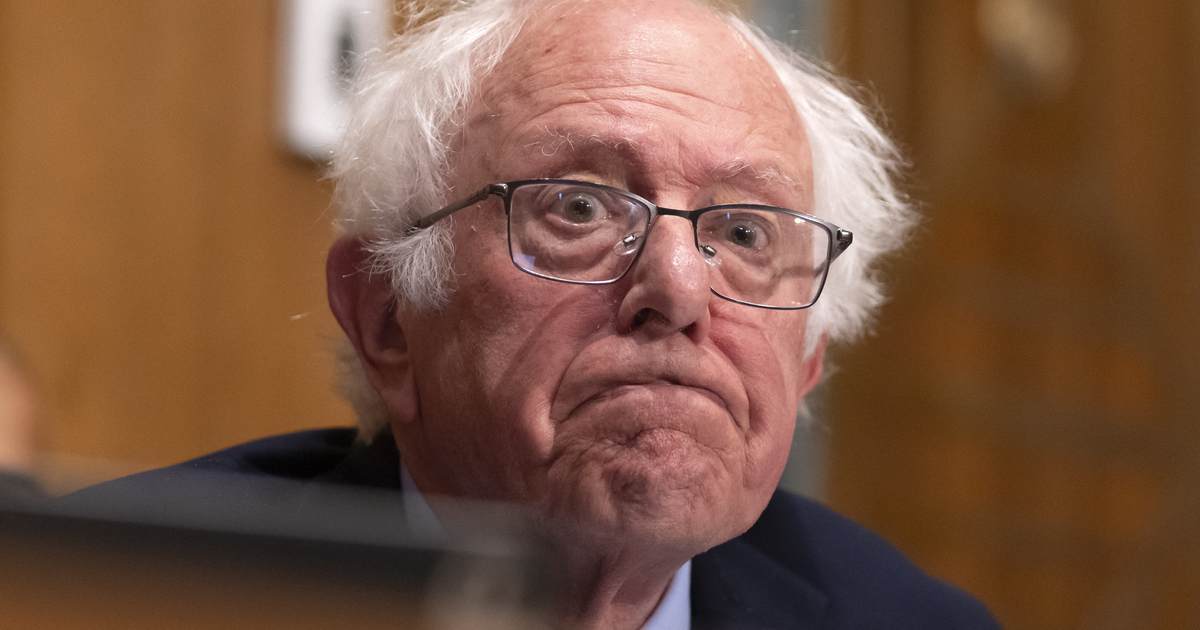
Bernie Sanders has picked a fight with the business of professional sports, railing against billionaire team owners and ticket prices in a way that risks hurting fans, players, and the leagues themselves. The claims are blunt and the proposed fixes are vague, and the fallout could touch everything from player contracts to local economies that rely on game-day revenue.
Americans love their sports, and the numbers show it: NFL games are consistently among the highest-rated television programs in the country, while Major League Baseball plays 162 games and the NBA schedules 82 each season that draw tens of millions of viewers. Games are cultural events that fuel local businesses, media deals, and community pride. Any policy that destabilizes that economy deserves serious scrutiny.
Sanders is upset that billionaires own teams that generate billions in revenue, and he says something must be “change”d because average fans supposedly can’t afford tickets. That claim ignores how many people actually do attend games and how teams manage pricing, packages, and local outreach. A 19-year-old buying season tickets for his local club is a real-world counterpoint to the blanket complaint about access.
So how does Sanders propose to alter this landscape? His rhetoric is heavy on platitudes and light on workable plans, and the specifics are unclear. Does he intend for government to seize ownership of teams, or is this purely political theater to justify punitive taxes and regulation? The reality is that many players now earn multi-million dollar contracts under the current system, and sudden structural changes would put those deals at risk.
That’s (D)ifferent. Suggesting that athletes, many of them black and hispanic, should trade guaranteed contracts and market-driven salaries for nebulous government control is out of touch with how professional sports operate. Disrupting the existing business model would push talent and investment elsewhere and would likely reduce the quality of play fans pay to see.
https://x.com/SenSanders/status/2090459930738171933?ref_src=twsrc%5Etfw
He just wants to steal their wealth, and he’s lying about ticket prices to do so. Framing ownership as pure greed ignores the costs of running teams, funding stadiums, and underwriting community programs that benefit cities and fans alike. A one-size-fits-all attack on owners would punish employees, vendors, and fans more than the wealthy investors targeted.
Corporate and civic partnerships are a big part of the sports ecosystem, and blunt government intervention would break those ties. Teams invest in training facilities, youth programs, and local hiring—benefits that often go unnoticed until they are gone. Taking away the incentives that attract owners and sponsors would shrink those community investments over time.
You’ll notice Bernie stopped demonizing millionaires when he became one himself. That shift matters because it reveals the political calculation behind the rhetoric and highlights how muddled the proposals really are. Voters should be skeptical when policy talk conveniently softens around friends and allies.
Some billionaires are acceptable to the senator, apparently, and that inconsistency undermines the moral high ground of his complaints. Picking winners and losers by political favor is not reform; it is selective punishment of successful people who happen to be out of favor. Consistent rules, not arbitrary targeting, remain the right path.
Bernie Sanders has never held a real job, and critics point to episodes like his time on a commune as evidence of a disconnect from typical work life. Yet he owns multiple homes and has built a comfortable personal financial position over time. That contrast between rhetoric and personal circumstance feeds public distrust when he proposes sweeping economic changes.
He’ll never redistribute his own wealth, of course, because he controls what he has, while demanding others surrender theirs. The billionaires who build businesses and maintain the teams that entertain millions are not entitled to be punished for their success. Policies that ignore that basic fairness will ultimately shrink opportunity for everyone involved.
Sports fans should be wary of political solutions that sound compelling in a speech but would hollow out the institutions they love. If the goal is broader access and lower prices, there are market-friendly steps that protect players, fans, and local jobs without confiscatory politics getting in the way.