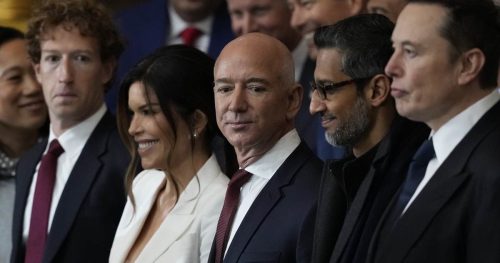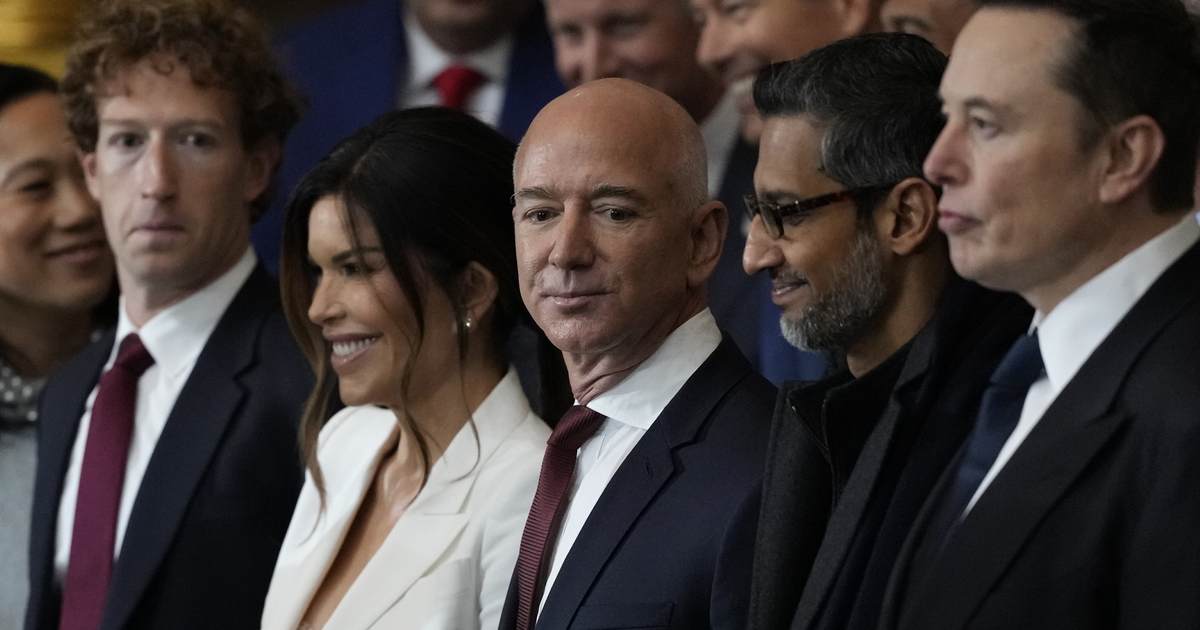
Americans often fear concentrated corporate power, but the real threat is when businesses and government fuse into a crony system that locks out competition and coerces citizens.
People worry about big corporations because concentrated power changes the rules of the game. Corporations that chase political favors can shape policy, win exclusive contracts, and tilt markets in ways customers and competitors cannot fix. It makes sense to be wary, but the target of that worry matters a lot.
Hillsdale historian Burt Folsom drew a useful distinction between two kinds of enterprise: the market entrepreneur and the political entrepreneur. Market entrepreneurs win by improving products, lowering costs, and serving customers; political entrepreneurs win by securing subsidies, protections, and regulatory advantages. What should alarm us is not size alone but the pursuit of power through government channels rather than through competition.
That difference shows up everywhere people complain about “Big Tech” or other dominant firms. The issue is less the private company and more the relationship between powerful firms and officials who can hand out favors. When the incentive structure rewards lobbying and backroom deals, innovation and consumer choice take a back seat.
We saw this dynamic during the pandemic, when tech leaders influenced how information and speech were managed. Later shifts in political alignment made the point clear: access to government can be an asset worth buying. The lesson is not that entrepreneurship is evil, but that American institutions are too often negotiable for the politically connected.
The same pattern drives contemporary fights over AI data centers and industrial policy. China is racing ahead on infrastructure for AI, and debates over domestic capacity often collapse into fights about whose projects get special treatment. Many activists are not only worried about the technology; they are angry at local governments they believe have “sold out” to firms through secret deals and preferential treatment.
That perception matters politically and practically. A corporation that wins by pleasing voters and serving customers can be checked by competition; a firm that wins by pleasing politicians becomes fused with the coercive power of the state. Once government picks winners and hands out privileges, ordinary people have fewer ways to resist or choose alternatives.
Too many people who say they fear corporate dominance are oddly willing to expand government power instead of curbing the marriage between politicians and business. Government is the institution that can coerce citizens, impose one-size-fits-all mandates, and use force when needed. When government and business partner up, market remedies disappear and the public loses leverage.
So the sharper rebuke belongs less to business for being big and more to the politicians who create a market for favors. Businesses respond to incentives; if the fastest route to success is through regulatory advantage, many will take it. Blame the system and the officials who design it, not just the firms that exploit it.
There are practical steps that follow from that diagnosis: reform contracting, limit regulatory capture, increase transparency, and make it harder for officials to create special privileges. Those measures restore incentives for firms to compete on price, quality, and innovation instead of political influence. Restoring a culture that rewards market entrepreneurship over political entrepreneurship protects both liberty and prosperity.
History and recent episodes show the same pattern repeating: political entrepreneurs look for the shortest path to profit by leaning on the state, while market entrepreneurs try to win customers the old-fashioned way. If Americans want a free and prosperous economy, the priority should be to break the incentives that reward cronyism. The fear worth keeping is not of bigness itself, but of a government willing to pick winners and hand out privileges that shut everyone else out.
https://x.com/NateSilver538/status/2089406562829799867
AP Photo/Julia Demaree Nikhinson, Pool. The featured image is not included here to keep the focus on the argument and the facts it rests on.