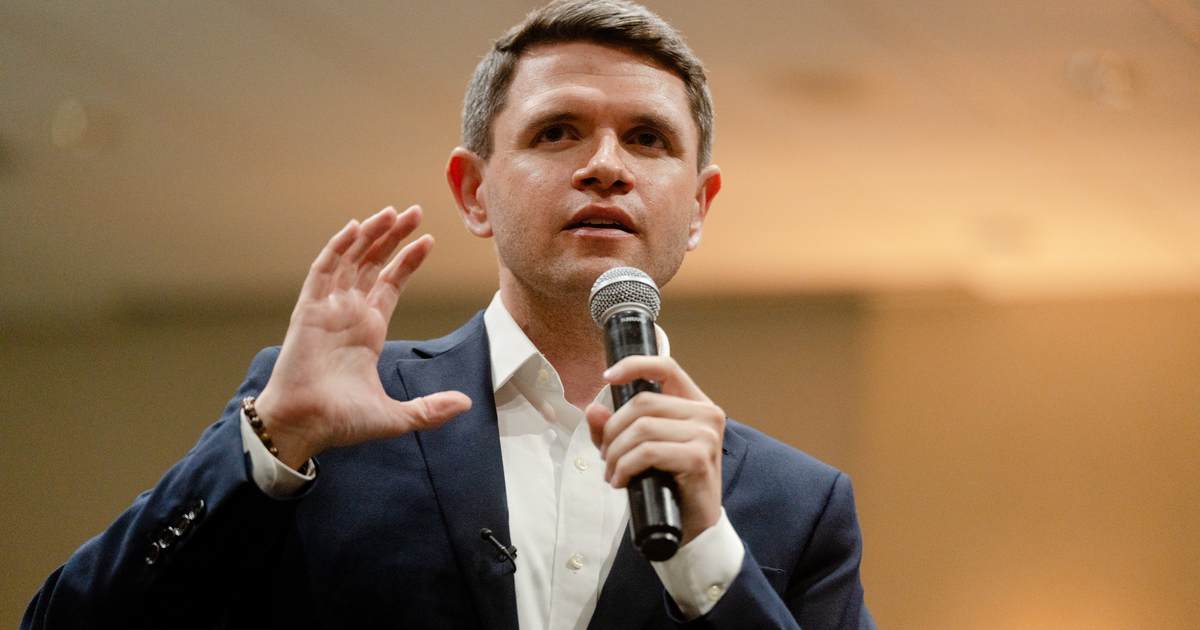
James Talarico’s claim of a private, candid discussion over a huge Abilene AI project unraveled quickly after footage surfaced and inconsistencies in his explanations emerged.
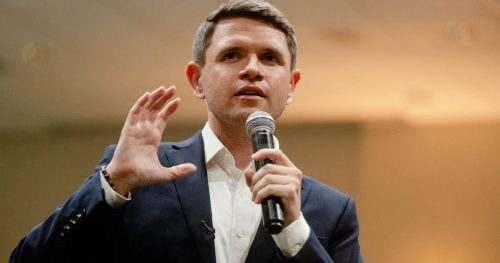
Democrat Senate candidate James Talarico held a closed-door roundtable in Abilene, Texas, near a proposed 1,100-acre AI mega-project, and the optics were immediate and damaging. Local reporters say they were barred while a national progressive outlet received exclusive access inside the room. The campaign defended the move by calling it a private conversation intended to make people comfortable enough to speak plainly.
That explanation didn’t age well. The campaign published a 14-minute-long video to its YouTube channel, which boasts nearly 300,000 subscribers, only a week after the meeting, undercutting the notion that anything said was meant to stay off the record. The footage shows attendees speaking on the record and removes any credibility from the idea that the session was for confidential, candid feedback only. For a campaign insisting on privacy, releasing a polished clip suggests the goal was message control, not transparency.
When local press asked why they were excluded from an event with clear local consequences, Talarico gave a rehearsed answer that did not match what followed. “Well we wanted to have a time for press to be able to ask these questions of everyone who was here,” Talarico told reporters. “Obviously we wanted to make sure that folks can feel comfortable being honest without the need to be worried about cameras in the room. So we decided to split them, one into a private conversation so I could hear directly from residents and get their honest feedback, and then a time for us to talk publicly with reporters and folks across the community.”
That quote stands as the campaign’s official rationale, but witnesses reported cameras inside the “private” session, and footage from MS Now’s on-site reporting appears to show recording equipment in use. If cameras were rolling during the supposed private discussion, the explanation collapses into a justification designed to avoid tough local scrutiny. The gaslighting is subtle: saying one thing to placate the press while doing another to shape the narrative.
Local reporters were reportedly told at a post-event press conference not to stray from questions about data centers, an odd instruction after being shut out of the conversation to begin with. The demand to limit questioning, paired with laughter from the candidate during the exchange, made it clear the campaign wanted a narrow, controllable public record. That kind of media choreography is not transparency; it is stage management.
This is hardly an isolated episode for Talarico. In February, he and media allies argued that a guest spot on a late-night program had been blocked by the FCC, when in reality the dispute involved an equal time obligation that was not met. That incident showed how easily political messaging and media narratives can be manipulated to appear like censorship. Voters deserve accountability when campaigns claim to be victims of outside forces while benefiting from friendly coverage.
Earlier this month the campaign also released another video featuring women described as Republican who were later found to have minimal ties to the party. That ad amplified a talking point while blurring the real political affiliations of people shown endorsing the message. It is a pattern: curate sympathetic moments, present them as organic, then package them for broad distribution to create the appearance of broad support.
The Abilene roundtable centered on a project with major implications for the local economy and land use, making access for local media more than a nicety. Residents and local reporters need to know who is influencing decisions that can reshape a community, especially where massive developments are concerned. Blocking those on-the-ground voices and then packaging a selective view for a national audience shortchanges the people who will live with the consequences.
Talarico is now the Democratic nominee for the Texas Senate seat and will face Republican Ken Paxton in the November midterm election. With the campaign’s media strategy under fresh scrutiny, voters and local watchdogs will likely look harder at how future events are staged and which interactions are truly open to the public.