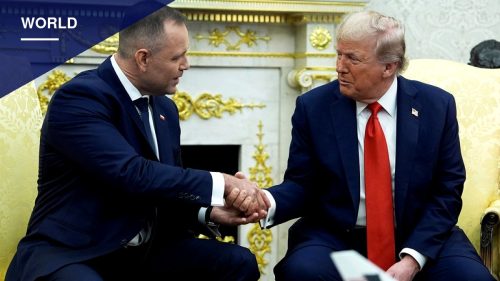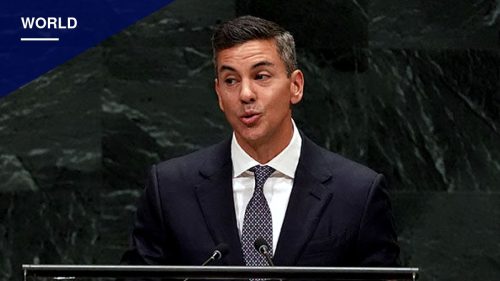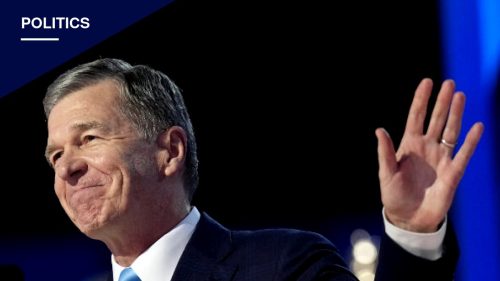
South Carolina’s special Senate contest is live, with an appointed incumbent and a crowded GOP field squaring off in a likely runoff scenario. Early returns show razor-thin margins, a slow count, and plenty of uncertainty that could reshape the state’s representation in Washington.
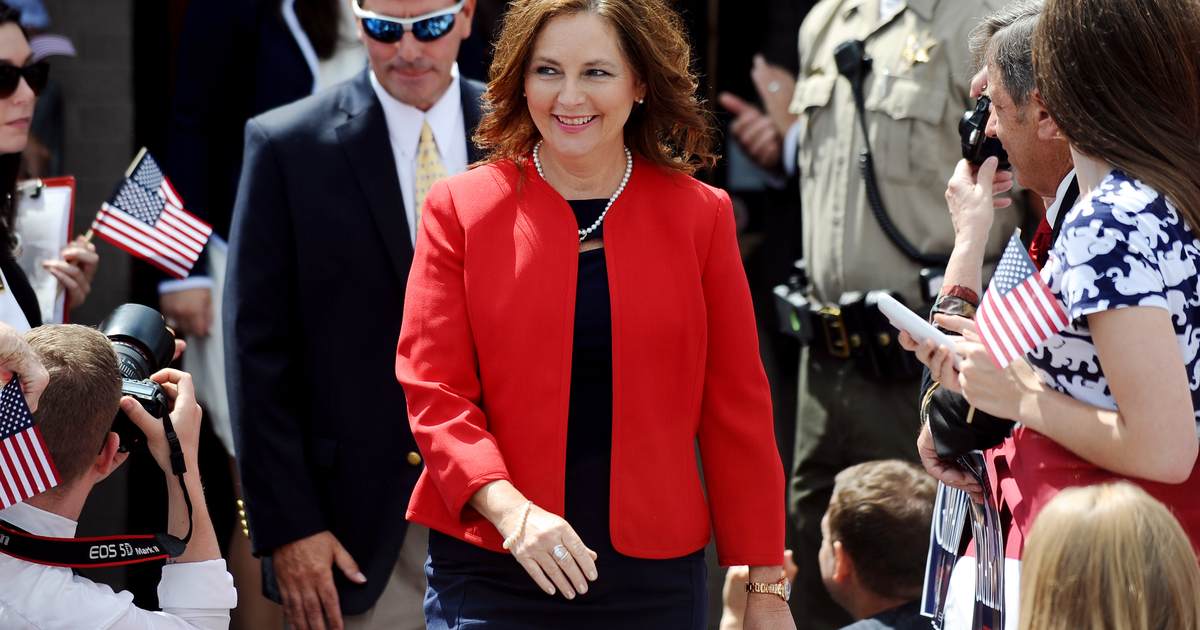
The appointed senator, Darline Graham, stepped into the role after the death of her brother, Lindsay Graham, and carries a high-profile endorsement that puts attention on her brief tenure. She is working to translate that appointment into voter support under the glare of a competitive primary. For conservatives, the race is a test of name recognition, endorsements, and who can move voters in a short window.
Ten Republicans entered the special election, creating a fragmented primary where no single candidate was expected to lock up a majority on the first ballot. That crowded field almost guarantees a runoff unless someone secures an outright majority, which would be an early exit from the process for most contenders. The dynamic forces candidates to consolidate base support while also reaching swing primary voters.
Coverage of the returns is ongoing and details are shifting as ballots are counted, with an early picture that should not be taken as final.
With polls closed, the initial tallies put U.S. Representative Russell Fry narrowly ahead by about 100 votes, while Ralph Norman trails by roughly 1,500 votes. Only an estimated 6 percent of ballots were reported in the early returns, so small swings could flip those standings as additional precincts and absentee packets are processed. The thin margin between Fry and Norman highlights how vital each neighborhood and county can be in a low-turnout, compressed contest.
Darline Graham is currently running at the top of the field and has effectively positioned herself to participate in a runoff if she falls short of a majority. Russell Fry and Ralph Norman remain the chief challengers, locked in a tight duel for the non-incumbent lane. That three-way tension sets up a strategic runoff where consolidation and turnout will decide the nominee.
Vote reporting has slowed in several counties, a common pattern as election officials move from machine counts to absentee and provisional ballots that require extra review. Decision Desk HQ has given Graham a 65 percent chance of winning the special election outright in their modeling, reflecting the uncertainty baked into early data and the weight of incumbency advantages. Still, probabilities can change significantly as more returns arrive and post-election adjustments are made.
Graham’s short time in office matters in two ways: it gives her a living record to run on and it leaves little time to expand her appeal beyond core supporters. That duality explains why endorsements and quick campaign organization have been so important for her team. Opponents are betting that sustained retail campaigning and targeted turnout can overcome the appointment advantage.
https://x.com/DecisionDeskHQ/status/2087317243407290471
The runoff scenario, should it occur, will focus the fight between the top two finishers and compress the field’s energy into a head-to-head matchup. In that setting, endorsements, fundraising and the ability to persuade undecided primary voters become decisive. For Republican voters in South Carolina, the runoff would be the moment to weigh who best represents conservative priorities and who can hold the seat in November.
County-by-county patterns, late absentees, and provisional ballots are the details to watch as the night progresses, especially in suburban and rural areas that can swing outcomes in tight races. Campaign teams will also watch turnout reports for signs of which messages and mobilization tactics worked. Those granular elements often determine whether an early leader holds on or succumbs to a late shift.
This special election is more than a local contest; it is a test of Republican organization and messaging under pressure, and the results will carry implications for the state’s role in the Senate. Expect continued shifts in the reported totals and tactical maneuvering from campaigns as they prepare for either final victory or the next round of voting. The coming days will clarify who emerges to carry the party banner forward in this seat.