President Trump has announced a plan to raise tariffs on a wide range of Canadian goods after Canada abruptly walked away from trade talks, prompting firm public statements from both sides and raising the prospect of higher costs and disruptions across North American supply chains.
The White House says a 50% tariff will soon apply to vehicles, steel, and automotive parts as part of a hardline response to what it calls years of unfair trade practices. The decision follows Canada leaving negotiations late on a Friday, a move Washington sees as undermining a negotiated balance. This is a clear escalation in a dispute that already affected goods like hockey sticks and wine in recent measures.
President Trump wrote on Truth Social that “Canada has been ripping off the United States of America for years” and argued that “ridiculously high tariffs” against farmers have helped create a trade deficit the administration calls unsustainable. He followed with stronger language: “Canada will be treated like a State no longer! On Trade, and in other ways, also, they are among the worst Nations in the World to deal with. They feel entitled, and yet, WE DON’T NEED CANADA, THEY NEED US!” That tone signals the administration expects to leverage U.S. market power to force concessions.
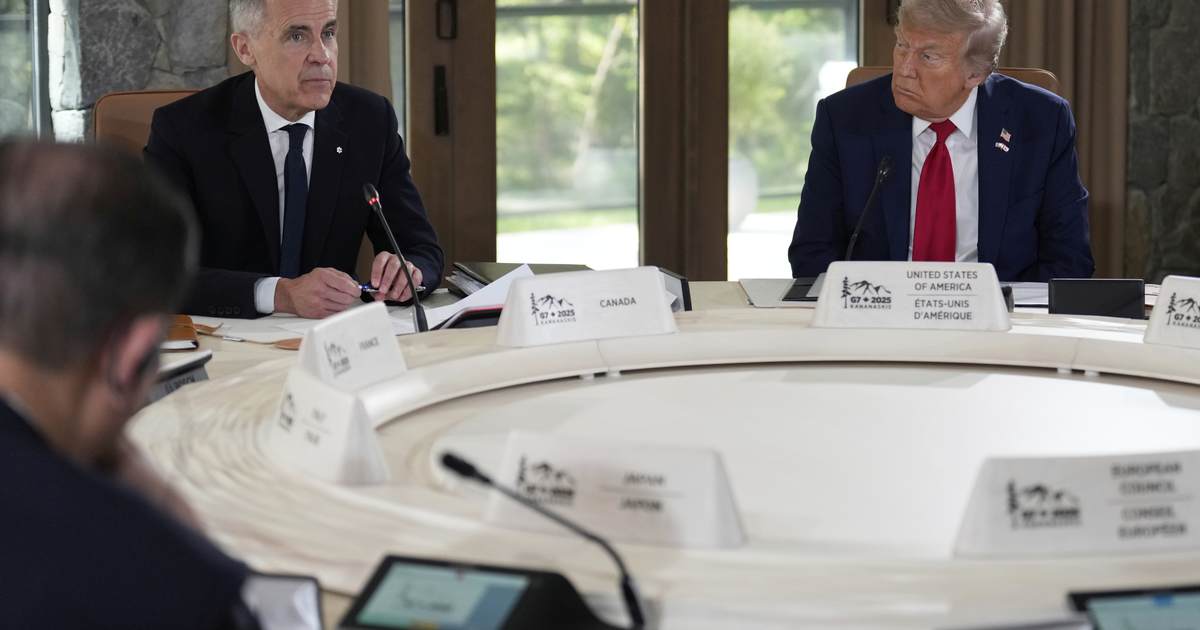
Canadian leaders pushed back. Prime Minister Mark Carney announced that Ottawa would suspend trade talks and send negotiators home. “As a result, this evening, I have decided to suspend trade negotiations with the U.S. and have directed Canada’s negotiators to return to Ottawa,” Carney said, explaining that his team viewed last minute U.S. changes as unfair. He added that negotiators had worked “in good faith” and that last-minute U.S. moves were “unfair, uneconomic, and called into question the reliability of any deal.”
The Office of the United States Trade Representative framed Canada’s conduct as a breakdown of recent progress. The office argued that “despite the U.S. offer to Canada to receive the best treatment of any major exporter to our market, new demands and walk backs of other commitments by Canada have upended the careful balance reached in the past days.” That statement portrays the U.S. as extending generous terms while responding to what it sees as backtracking from Ottawa.
https://x.com/sentdefender/status/2091885928935461097
USTR officials also pointed to ongoing Canadian retaliation that targets U.S. exports and services, saying, “In addition, Canada is continuing to maintain its prolonged retaliation against the United States, including, among other things, flat-out prohibitions on certain American goods and services.” The U.S. view is that punitive Canadian restrictions justify countermeasures designed to protect American workers and producers.
At the state level, Ontario’s premier warned of measures that could affect American energy supplies, raising the political stakes for U.S. consumers and industries that rely on stable cross-border energy flows. That comment added urgency for policymakers and businesses on both sides who must weigh potential disruptions. Energy, autos, and agriculture are all intertwined, so moves on one front spill into others quickly.
Farmers and manufacturers now face uncertainty. A 50% tariff on vehicles, steel, and parts will force recalculations for companies that depend on integrated supply chains stretching across the border. Higher input costs typically pass down to consumers, and producers who compete globally may need to shift sourcing or pricing strategies to stay competitive.
Politically, this dispute highlights a broader Republican position favoring tough trade enforcement when other countries maintain barriers or retaliate against U.S. exports. The administration frames tariffs as a tool to restore balance and defend American jobs. Critics say tariffs can backfire by raising costs and spurring retaliation, but supporters argue strong leverage is sometimes the only way to secure fair deals.
With both sides exchanging sharp public statements and each promising to mirror the other’s measures, the immediate path forward looks rocky. Businesses will watch for specific tariff lists, enforcement timelines, and any new rounds of negotiation, while policymakers weigh economic pain against the strategic aim of reshaping trade relationships. For now, the standoff marks a new, higher level of confrontation in the long-running U.S.-Canada trade relationship.