President Trump snapped at a reporter over a question about nuking Iran, calling it “stupid question.” The exchange highlighted his blunt approach to the press, his claim that nuclear strikes were never on the table, and fury over a Washington Post leak of Secretary of War Pete Hegseth’s orders book that the writer says was politically motivated and dangerous.
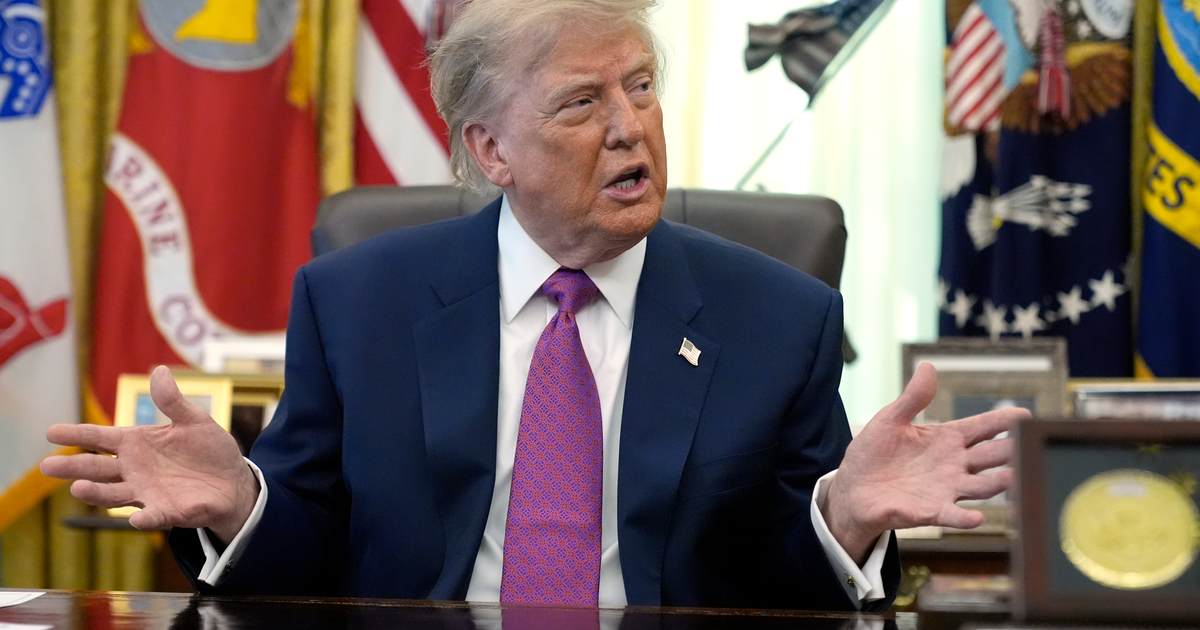
Someone asked whether nuking Iran was still an option and President Trump reacted sharply, calling the query “stupid question.” The pushback was immediate and public, with the president insisting the idea had never been seriously considered. That blunt response set the tone for a broader critique of media coverage and the way leaks shape public debate.
The president doubled down on three simple points: it was never an option, he believes the U.S. has already demonstrated military dominance over Iran, and there’s “nothing left to bomb.” Saying it plainly, Trump shut down the question and moved on, but the moment lit up cable news and social feeds. For Republicans who back a tough posture, that directness reads as clarity rather than ambiguity.
That said, Trump’s habit of treating reporters like adversaries produces recurring problems. Mocking questions and trolling elites can be satisfying to his base, but it also encourages repetitive, sensational queries that crowd out serious policy discussion. The media reaction — outraged headlines, clickbait clips, and endless replay — is precisely why the president leans into colorful put-downs.
Like the original exchange made clear, part of the frustration is performative: a 12-year-old who plays a basic real-time strategy game would grasp the strategic absurdity of the premise. If a nuclear strike were a realistic policy path, actions would have already followed; the suggestion that it remains a standing plan doesn’t match what the administration says. That disconnect fuels the back-and-forth between press and White House.
https://x.com/FoxNews/status/2094523346608071025
Beyond the immediate sparring, this episode dovetails with a larger problem: leaks that seem timed to embarrass the administration. The Washington Post ran details from Secretary of War Pete Hegseth’s orders book about concerns over a prolonged Middle East deployment involving Iran. Releasing internal notes like that looks less like whistleblowing and more like political theater aimed to shape narratives rather than inform the public interest.
Wars are expensive and complicated, and anyone following past conflicts knows there are always debates about deployments and strategy. Turning internal deliberations into a weaponized story to score points is irresponsible journalism, not courageous reporting. If the intent was to embarrass Trump and his team, then the publication failed any claim to higher purpose and instead played politics with national security details.
There’s a practical risk as well: spilling selective information can harm planning, demoralize troops, and give adversaries a clearer picture of internal disagreements. This isn’t a Pentagon Papers situation exposing systemic wrongdoing; it’s a leak meant to provoke headlines and erode confidence. Find the leaker, hold them accountable, and stop treating classified or sensitive material as fodder for partisan advantage.
The press can and should ask hard questions, but constant grandstanding invites blunt pushback and enables a cycle of outrage. When reporters pivot to gotcha-style narratives, they create space for simplistic takes and rhetorical explosions instead of sober debate. Republicans who prefer direct, plain-speaking leadership see the president’s reaction as understandable — and warranted — when the media pursues headlines over context.
At the heart of this clash is a broader cultural battle over who gets to set the terms of national security discussion. If leaks are being used to engineer political outcomes, the public loses. If journalists aim to enlighten rather than inflame, they’ll treat sensitive material with the restraint it deserves. Until then, expect more sharp exchanges, more accusations of bad faith, and a press corps that keeps testing the line between scrutiny and sensationalism.