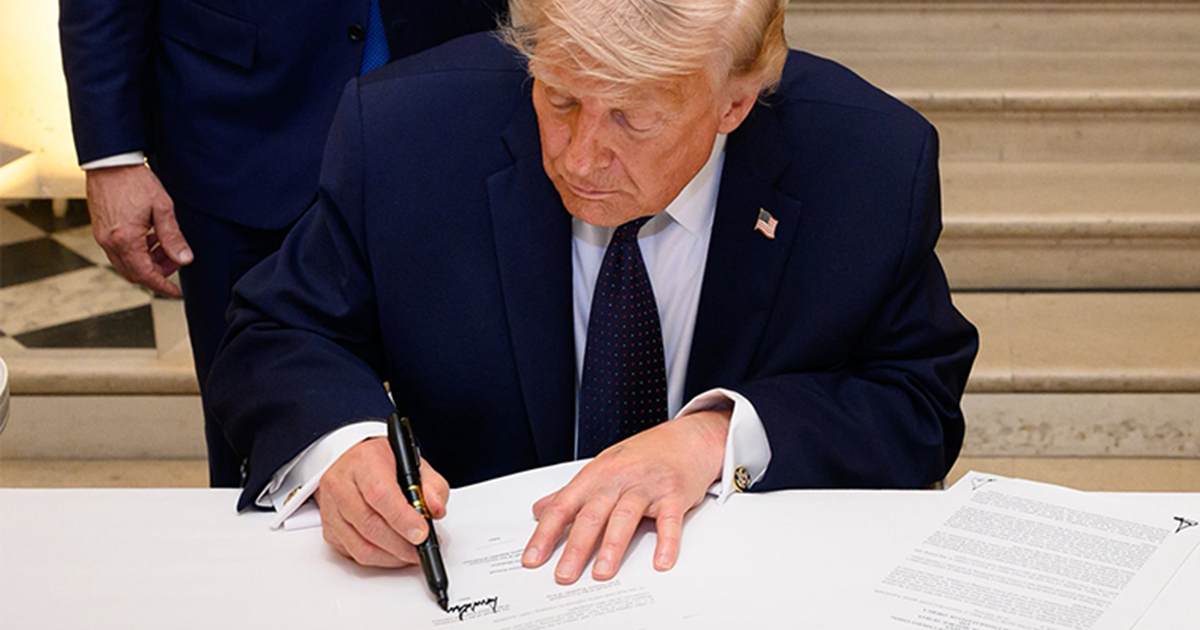
President Trump delivered a blunt warning that the United States will respond forcefully to any country that interferes with U.S. operations against Iran, naming Oman as an example and refusing to be rushed into a timetable while negotiations and pressure continue.
President Trump made clear, in a recent interview, that he will not tolerate meddling by third parties as the U.S. deals with Iran, and he singled out Oman by name when speaking about potential interference. His language was direct and unapologetic, reflecting a posture of decisive strength rather than diplomatic hedging.
Asked about reports of a possible Oman-Iran understanding over control in the Strait of Hormuz, the president replied starkly: “If Oman gets in the way, we’ll bomb the s**t out of them,” a line that underlines his willingness to use overwhelming force to protect American interests. That declaration came during a morning interview with Fox News and was delivered in the same blunt tone he has used before when discussing Iran and its regional ambitions.
Trump framed his approach as part deterrent, part negotiation leverage, urging Iran to “put up the white flag of surrender” before the Memorandum of Understanding technically expires. He referenced recent Iranian attacks on commercial shipping in the Strait, noting those strikes provoked a U.S. response and effectively ended the viability of that deal long before any formal deadline.
The president emphasized that he is not operating on a tight countdown, saying he does not have a “time schedule” and is not in a “hurry” to conclude this conflict, signaling that patience is now a strategic advantage. That restraint, he suggested, allows the U.S. to keep pressure on Tehran while calibrating options, including military action, should diplomacy or coercion fail.
https://x.com/TreyYingst/status/2089314268558618803
Trump was careful to separate political calendars from national security decisions, insisting that “The midterms have nothing to do with my thinking” when asked about any electoral influence on his Iran policy. He reiterated that U.S. engagement with Iranian interlocutors has been conducted through hard-line channels, noting communications involved the Islamic Revolutionary Guard Corps rather than moderate or conventional state actors.
In a past interview on August 9, the president told another outlet that the United States was “only semi-negotiating with them,” underscoring a posture of limited engagement while keeping military pressure in reserve. He described Iran as an economy in trouble and said, “We are just watching Iran with its huge inflation and the fact they have no money,” an observation meant to highlight Tehran’s vulnerabilities the U.S. can exploit.
That assessment fits a Republican view of foreign policy that prizes leverage, clarity, and the explicit threat of force when vital interests are at stake. By combining economic pressure with credible military options, Trump argued the U.S. can compel better outcomes without rushing into compromises that reward bad behavior.
Trump’s rhetoric also serves a signaling function to allies and adversaries alike: America under his direction will not shy from using force to defend freedom of navigation and to prevent hostile actors from dominating key maritime chokepoints. Naming Oman in his warning was intended to deter any state-level facilitation of Iranian ambitions rather than to provoke needless escalation with neutral parties.
Critics will call his style abrasive and risky, but supporters view this clarity as an asset in a dangerous neighborhood where ambiguity invites miscalculation. The president’s insistence on keeping options open while publicly warning potential interlopers aims to preserve U.S. freedom of action and to discourage any state from tilting the balance in Tehran’s favor.
Beyond the immediate military rhetoric, Trump’s comments reflect a larger strategy: maintain pressure, exploit Iran’s economic weakness, and avoid binding timetables that constrain American leverage. That combination, he suggests, increases the chance that Tehran will either change course or weaken itself to the point where more favorable negotiations become possible.