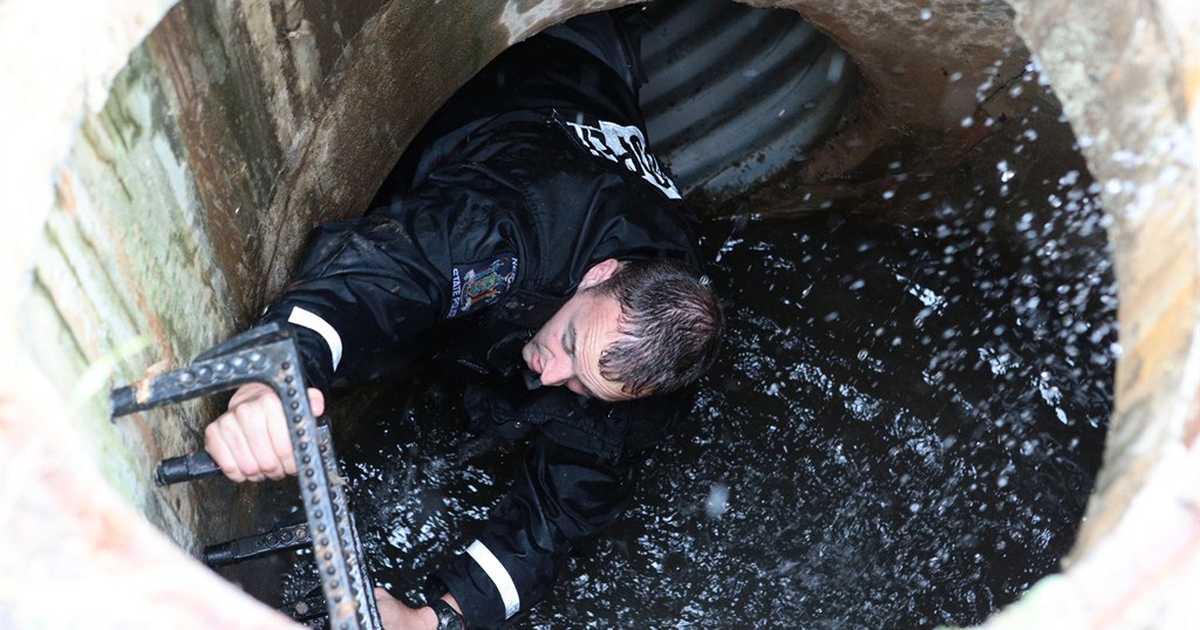
A small group climbed out of a manhole near Penn Station in mid‑August, prompting alarm, eyewitness speculation about a possible reconnaissance threat, and an NYPD probe that included reviewing surveillance footage to identify the individuals.
In the predawn hours of August 18, at around 4:20–4:30 a.m., three people were seen emerging from a sanitation and drainage manhole near New York City’s Penn Station. Witness video shows them wearing headlamps and overalls as they pulled themselves up and then hurried away, leaving commuters and nearby workers unnerved. The proximity to transit hubs magnified the concern because of the heavy foot traffic and the critical infrastructure clustered nearby.
The location was reported as roughly 150 feet from Penn Station and just a block from Madison Square Garden, where multiple train lines converge underneath the neighborhood. That geography is what made some observers immediately jump to worst‑case scenarios, given how vulnerable transit chokepoints can be to disruption. Officials said they collected surveillance footage to try to identify the three and determine what their intentions were.
There were similar intrusions earlier in the year when people were caught emerging from manholes, and some arrests followed after police suspected the individuals were scavenging for valuables. This recurrence amplifies questions about why access to underground openings remains so easy in parts of the city. With repeated incidents, the debate shifts from vandalism and petty theft to basic preparedness and whether authorities are taking the right steps to secure critical spaces.
https://x.com/nypost/status/2092307606027051455
The NYPD on Monday said no busts have yet been made involving the “mole people’’ who climbed from a manhole just feet from the main entrance to Penn Station last week — terrifying the public.
“I just immediately thought, reconnaissance, 9/11,” said an Arizona tourist named Mark to The Post in packed Herald Square in Manhattan.
“If you’re an Iranian soldier, you need to cripple New York City? Under Penn Station? Under Madison Square Garden? Aren’t all the train lines crisscrossing here?”
A trio of underground scofflaws was caught on video around 4:20 a.m. Aug. 18 wearing headlamps and overalls and pulling themselves out of a sanitation and drainage manhole about 150 feet from Penn Station — just a block from Madison Square Garden — then hurriedly walking away.
A worker with nearby Penn 2 developer Vornado Realty Trust said he was aware that cops had been snooping around the tourist- and business-choked area collecting potential surveillance footage of the creepy nightcrawlers.
[…]
Police have collected surveillance footage that possibly captured the latest incident to try to ID the three people using facial recognition technology and track them down to figure out what they were up to, law-enforcement sources said.
Cops only became aware of the incident Sunday after other video of the “mole people” went viral on social media.
“The NYPD is aware of the incident and is actively investigating,” the Police Department said in a statement to The Post on Monday.
That exact blend of viral video, public alarm, and a major city agency scrambling to identify suspects is becoming familiar. Social media spreads footage fast, and the NYPD reacts the same way any serious agency should: gather footage, run IDs, and try to build a timeline. Still, the episode lays bare gaps between public concern and the time it can take to produce concrete answers.
From a security standpoint, these intrusions force a simple question: who benefits from easy underground access near transport hubs? Whether the intent is petty theft, trespass, or something more sinister, the risk profile for the city changes the moment you have people roaming under key infrastructure. City leaders and transit authorities need to treat repeat incidents like an urgent wake‑up call, not an oddity to be ignored until the next viral clip.
Law enforcement faces a practical challenge while the public demands quick results: footage and facial recognition can point investigators in the right direction, but identification and lawful apprehension still take work. That tension between speed and accuracy also plays out in headlines and soundbites, which can amplify fear before investigators release firm conclusions. Officials have said the NYPD is actively investigating, which is the right procedural step.
Beyond police action, there are also policy decisions to consider. Hardening access points, improving real‑time monitoring around transit chokepoints, and coordinating with private developers and transit operators are all sensible moves that do not require partisan spin. The basic responsibility is clear: protect people and infrastructure, identify vulnerabilities, and close them before a small breach becomes a major incident.
New York’s underground network is vast and historically porous in places, and incidents like this underline that fact. Whether these “mole people” were looking for valuables, acting out of curiosity, or probing for something worse, the result is the same—heightened anxiety and a fresh set of questions for the city’s security posture. The public will expect answers, and officials will need to deliver them while keeping the transit system safe and open for millions who rely on it every day.