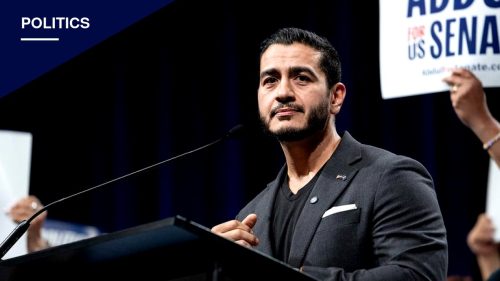
Alex Vindman’s reaction to Angie Nixon’s upset in the Florida Democratic Senate primary became part of the story, and that collapse says a lot about campaign overconfidence, fundraising gaps, and the dynamics of modern contests.
This race in Florida ended with a surprising margin that undercut high-dollar expectations. The narrative shifted quickly from a presumed November showdown to an unexpected primary finish. What happened shows how a campaign’s tone and strategy matter as much as bank accounts.
Angie Nixon won the Democratic Senate primary in Florida by a clear margin, 56 to 44. That result came despite a massive disparity in fundraising and a lot of attention on Vindman’s profile. When numbers and posture meet in the same arena, posture can lose.
Vindman entered the race with a high-profile background as a former Trump impeachment witness, and that name recognition carried weight in some circles. Yet Nixon, a Jacksonville state representative and former union organizer, connected with enough voters to close the gap decisively. The victory came as a reminder that credentials do not replace ground-level campaigning.
Fundraising told a stark story: Nixon raised about $975,000 while Vindman reported roughly $16.3 million. Those figures show that money does not guarantee a primary win, especially when voters perceive a candidate as out of touch. Campaign resources are critical, but they cannot buy voter trust overnight.
Observers noted problems with Vindman’s campaign approach, including avoiding direct engagement with his opponent. Refusing debates and not seriously addressing the primary challenge signaled confidence that translated into complacency. In many primaries, that kind of behavior proves costly.
Critics called his attitude arrogant and pointed to a viral report that he literally laughed at Nixon, treating the primary as an afterthought. That perception fed into a broader narrative about entitlement and misreading the electorate. When voters feel dismissed, they often respond at the ballot box.
Angie Nixon’s stunning Florida Senate primary win on Tuesday gave the Democratic Socialists of America its biggest statewide breakthrough yet: For the first time ever, a DSA member won a major-party nomination for statewide office.
Why it matters: The breakthrough —the biggest upset in modern Florida Democratic politics— was also stunning because Republicans have spent years making opposition to socialism central to their political brand in the state.
Nixon, a Jacksonville state representative and former union organizer who joined DSA during the campaign, beat former Trump impeachment witness Alex Vindman.
The scale of the upset was extraordinary: Nixon won by double digits despite raising just $975,000 to Vindman’s $16.3 million in President Trump’s home state.
[…]
Between the lines: Vindman spent much of the primary behaving as though November, not Nixon, was the only race he needed to worry about.
He refused to debate Nixon and rarely addressed her campaign.
Vindman was so “arrogant” that he “literally laughed at Angie Nixon. Said he didn’t even think he was in a primary,” veteran Florida political consultant Jacob Perry, who had been in discussions with Vindman to join his campaign at one point, told Axios.
https://x.com/WesternLensman/status/2089893327801868757
The blockquote above captures reporting that framed the upset as both historic for Nixon and embarrassing for Vindman. It highlights the unusual dynamic where a grassroots-backed candidate overcame a vastly better-funded opponent. That contrast will be studied in postmortems on both sides.
For Republicans paying attention, the lesson is straightforward: attacks on socialism have been a long-standing theme, and this result complicates that message even as it energizes opposition. Winners on the left will point to this as a breakthrough, while conservatives will focus on the missteps that produced the outcome. Both sides will try to use it to shape November narratives.
Campaign behavior matters beyond rhetoric. Voters watch how candidates treat opponents, how they respond to criticism, and whether they take every contest seriously. In this primary, perceived indifference hurt a well-funded candidacy and helped a challenger who ran a disciplined, targeted campaign.
Expect more scrutiny now on how high-profile figures translate fame into votes when facing organized, motivated opposition. The primary also underscores that money concentrated on a candidate does not immunize them from mistakes in strategy or tone. Political capital and campaign cash are not the same thing.
For activists and operatives, the result will prompt questions about messaging, debate strategy, and voter outreach. It will also trigger internal reviews about when to treat a primary as a legitimate contest. That kind of recalibration can change how future campaigns allocate time and resources.
Media narratives loved the drama here: a big name, a surprise upset, and a line about laughter that circulated widely. Those soundbites made the story travel fast and framed the episode as a cautionary tale about hubris. Soundbites can define a race even after votes are counted.
Campaigns moving forward will analyze turnout patterns and demographics to understand where Nixon’s edge came from. They will probe whether her win reflects a broader trend or a unique combination of local circumstances. Either way, the result reshapes assumptions about who is vulnerable and who is underestimated.
Well, enjoy sitting on the couch, Alex. Who remembers this outburst?